
Posts Tagged future of learning spaces

Innovation in Learning – Space Design for the Future

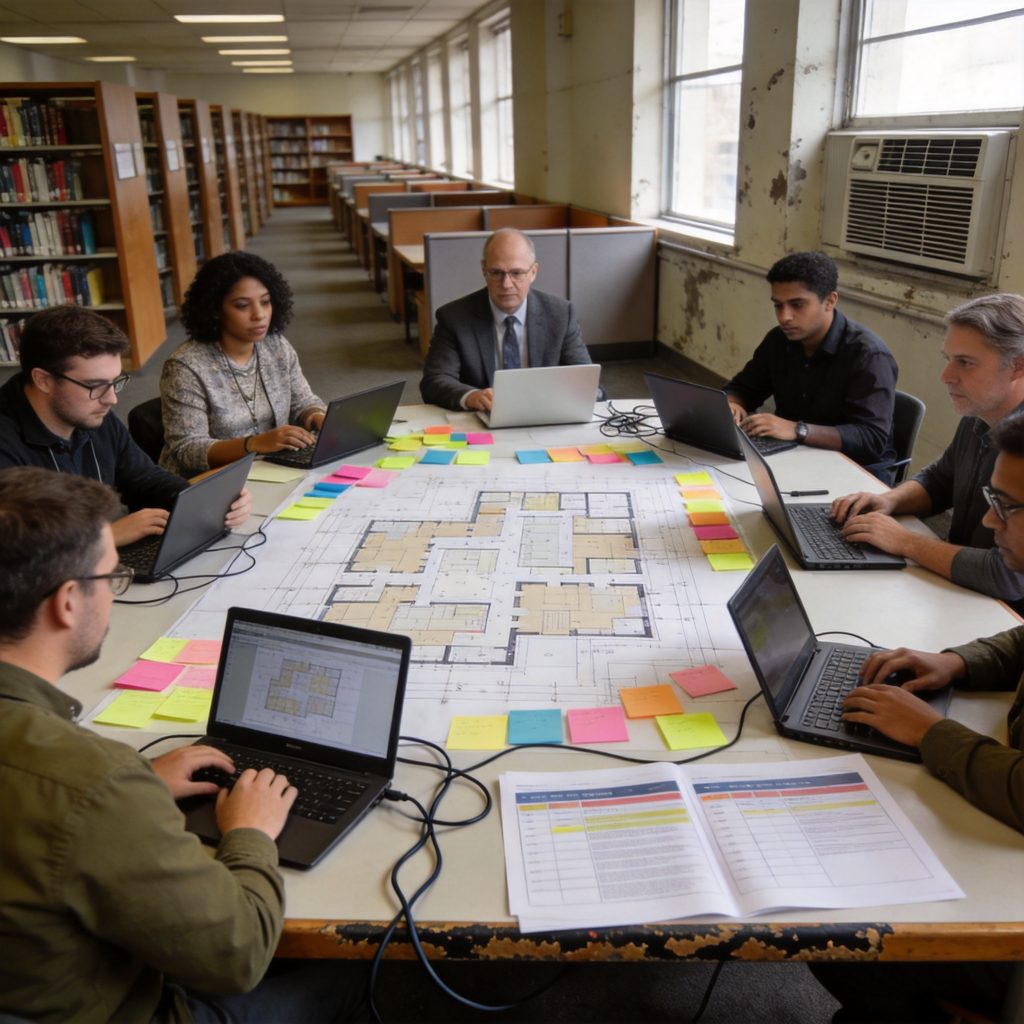
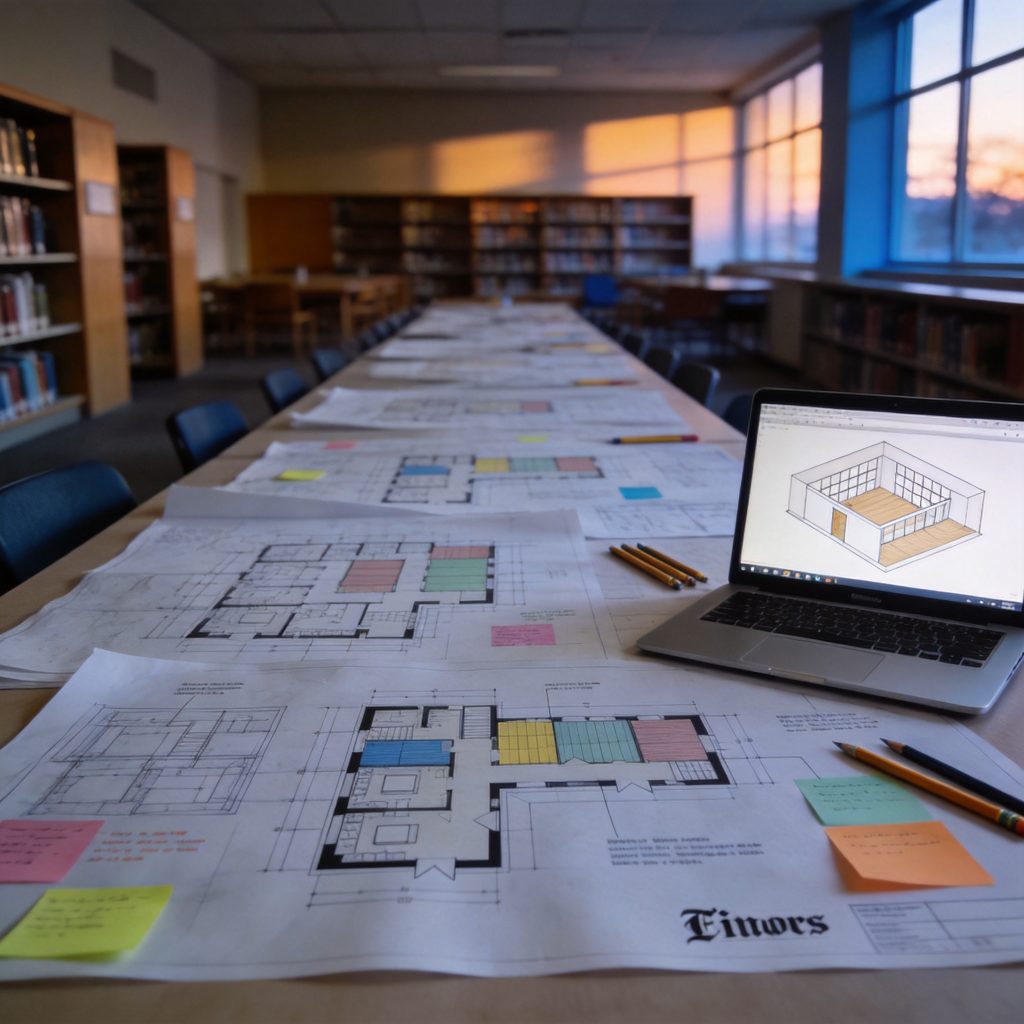
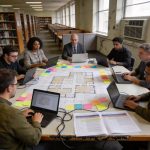
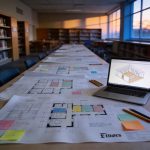
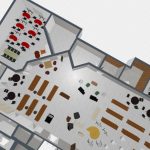
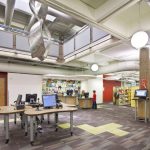
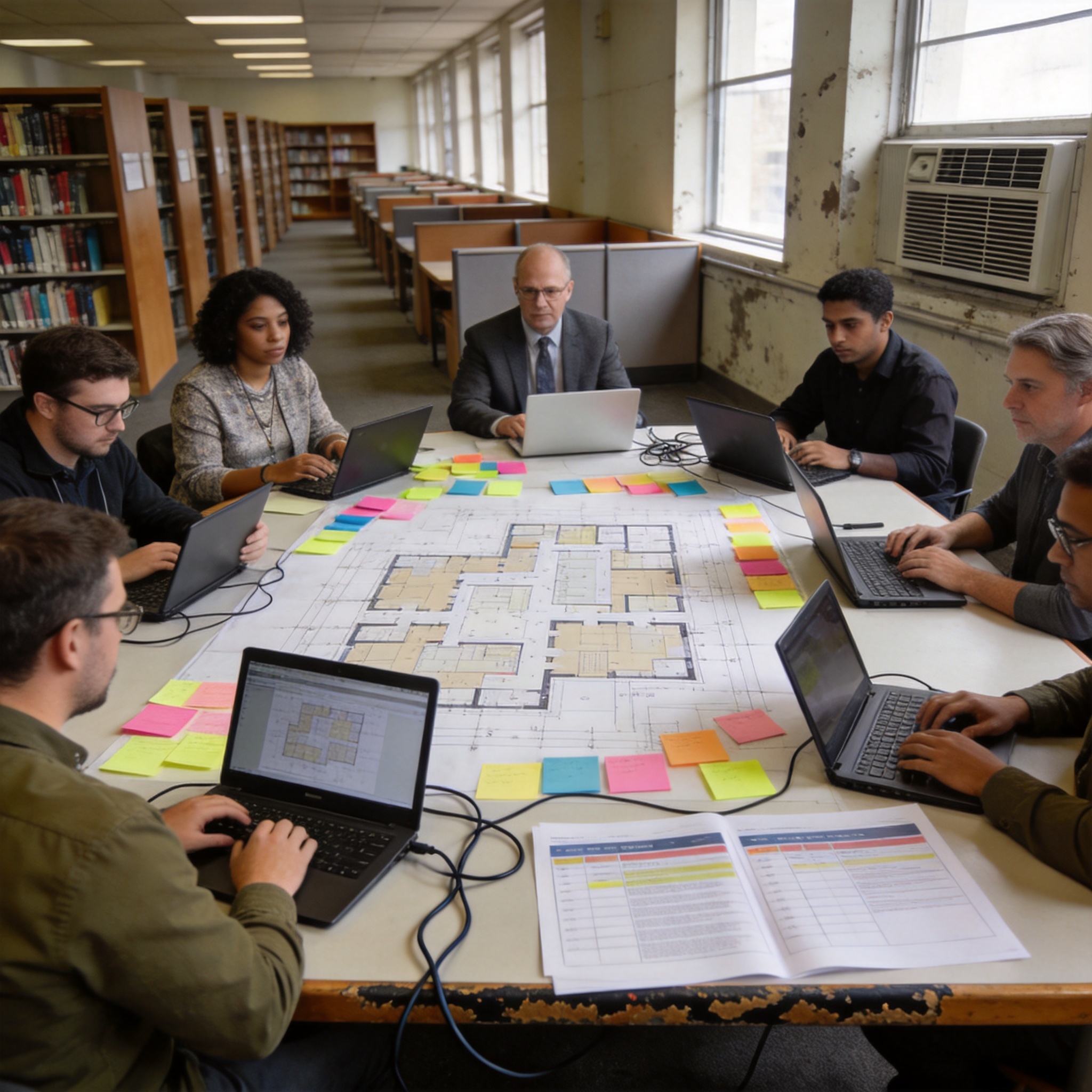
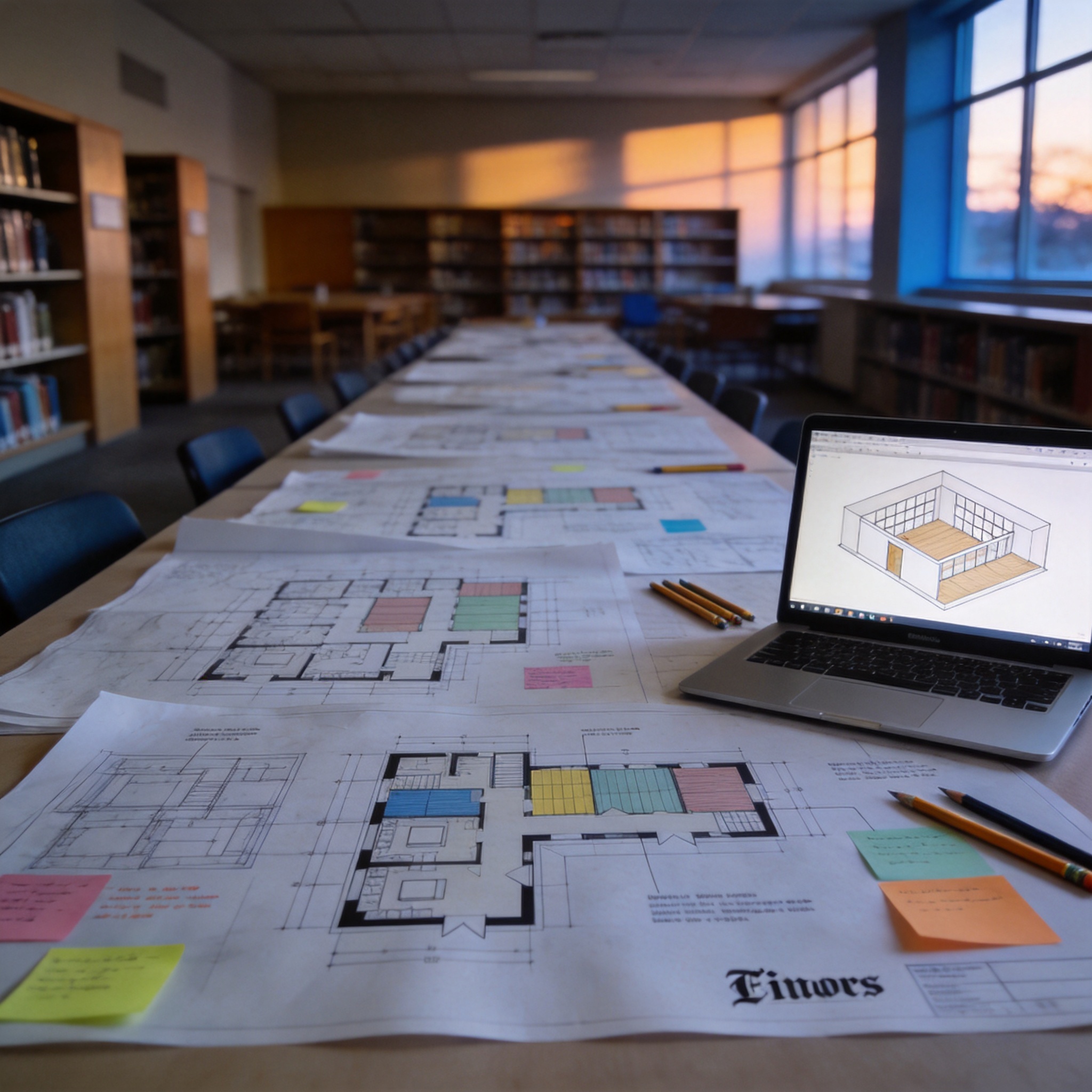
In the quest to learn as much as we can about technology and learning, the Sydney Centre for Innovation in Learning (SCIL) is an example. We believe education is changing through the use of technology. We believe we need new and creative models for 21st century education. We believe that the library is a unique space-model for learning. It changes the focus from teacher-directed paradigms to self-directed engaged learning. The video link captures a number of the ‘spaces for learning’ – it is a good thought starter.

The Technology Sandbox at the D.H. Hill Library showcases new technologies for learning. NC State provides easy to use large-scale display’s and gesture-based computing tools. These tools have been installed, revolutionizing the visual display of data and the creation of digital media.

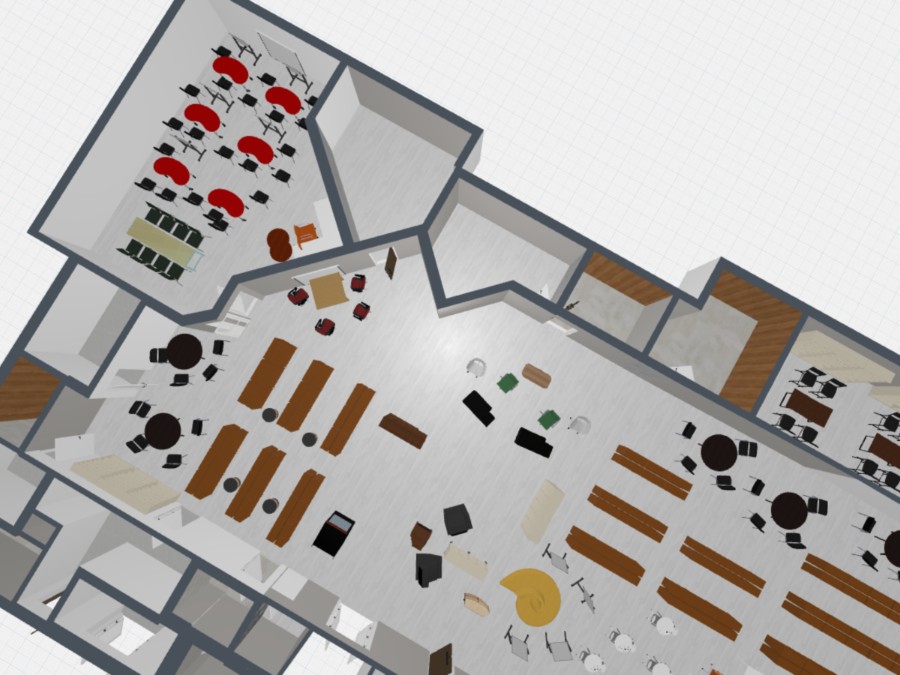
The two examples encourages peer-to-peer learning, experimentation, and collaboration. They highlight the key innovations such as a laboratory for faculty and staff to prototype virtual tools. We believe that libraries should experiment with new types of learning spaces, especially those that blend the virtual with the physical.

Click on Video – Learning Space of the Future

, , , , , ,

No Comments

New Ways of Learning Effects Library Design

Technology has impacted the way we use library collections. It has impacted the way we interact in the library building. The landscape of learning has changed so much that we need to ask – “Is someone literate if they can not use digital technology?”

The library of the future needs to provide ways to build skills for creativity, socializing and collaboration. If you look around, you will find young people using mobile technology. According to Pew Internet – Smartphones – 35% of adults in the US own a smartphone and more people have cell phones than a degree. And “some 87% of smartphone owners access the internet or email on their handheld, including two-thirds (68%) who do so on a typical day. When asked what device they normally use to access the internet, 25% of smartphone owners say that they mostly go online using their phone, rather than with a computer.”

For young kids, the cell phone can be a distraction or it can be an effective productivity tool. To produce the New Learners for the 21st Century we need libraries that enable educators to use the digital media to shape their experience of the world.

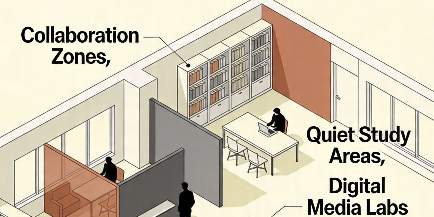
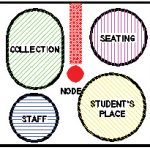
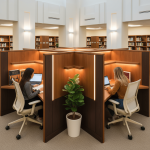
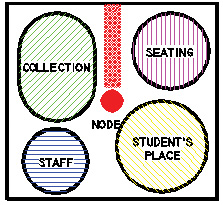
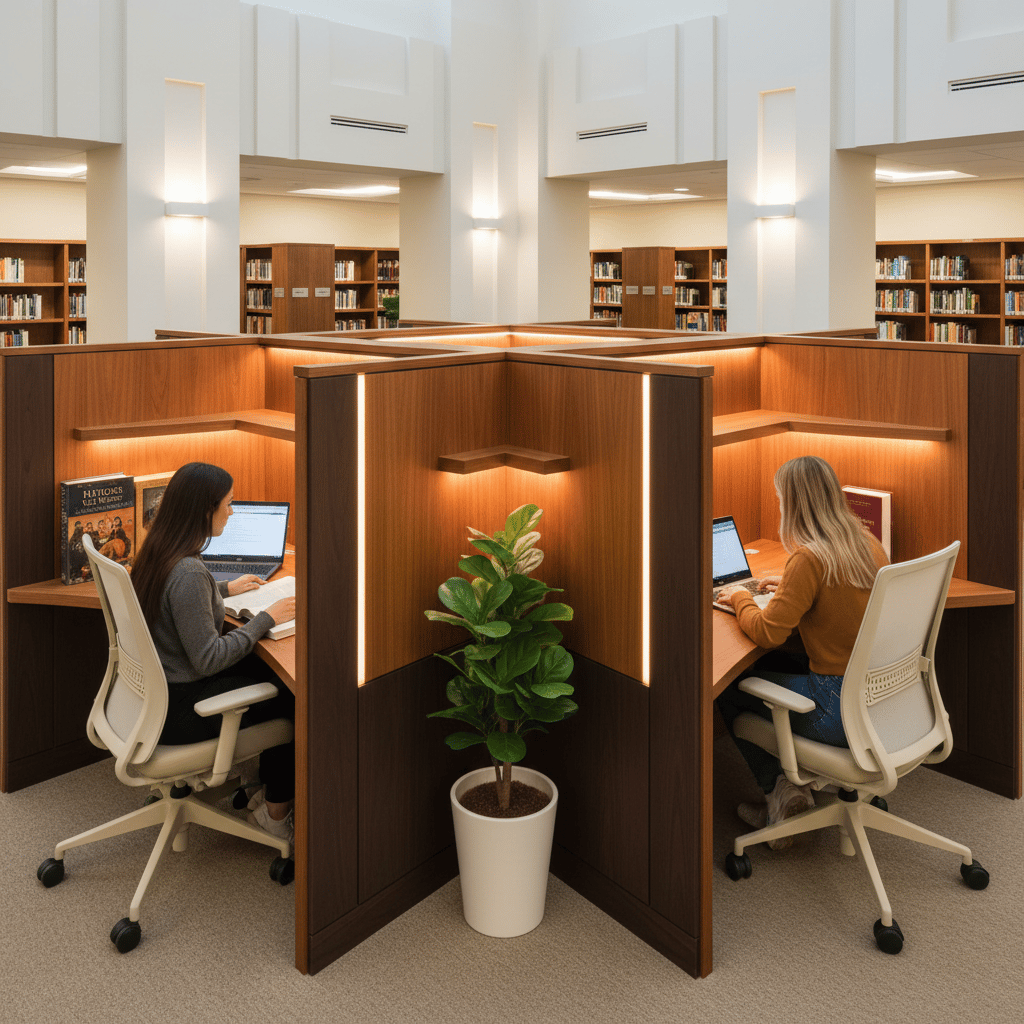
Collaborative Space

Collaborative Space

, , , , ,

No Comments

The future of learning – online?

The slate article is a good example of the changes taking place in higher education. Think about it almost 4 million students took an online course this year.

Take a look at this article and think about how academic libraries need to change their services as a place and as a service.

the future of higher education

No Comments