Posts Tagged library learning environments

The Library is an Asset: Peer Learning – Conceptualization of Library Space

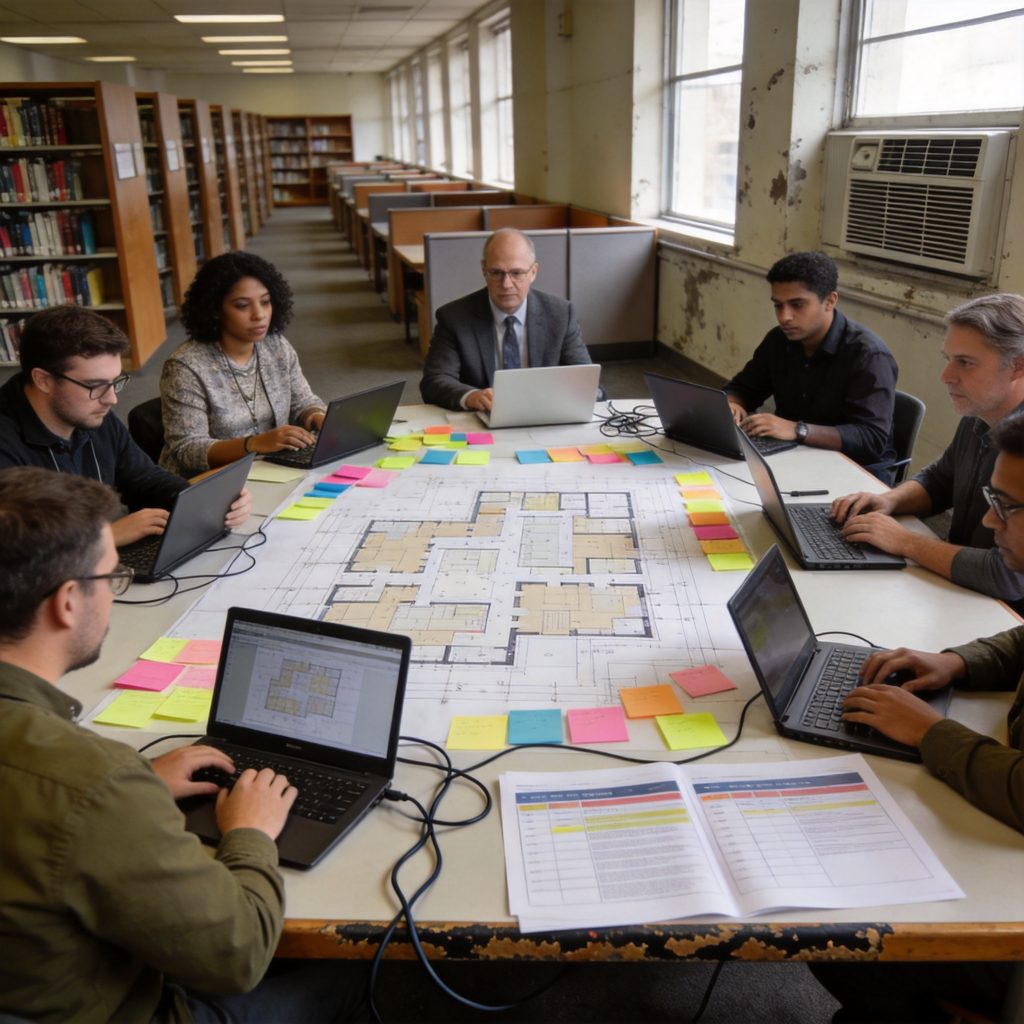
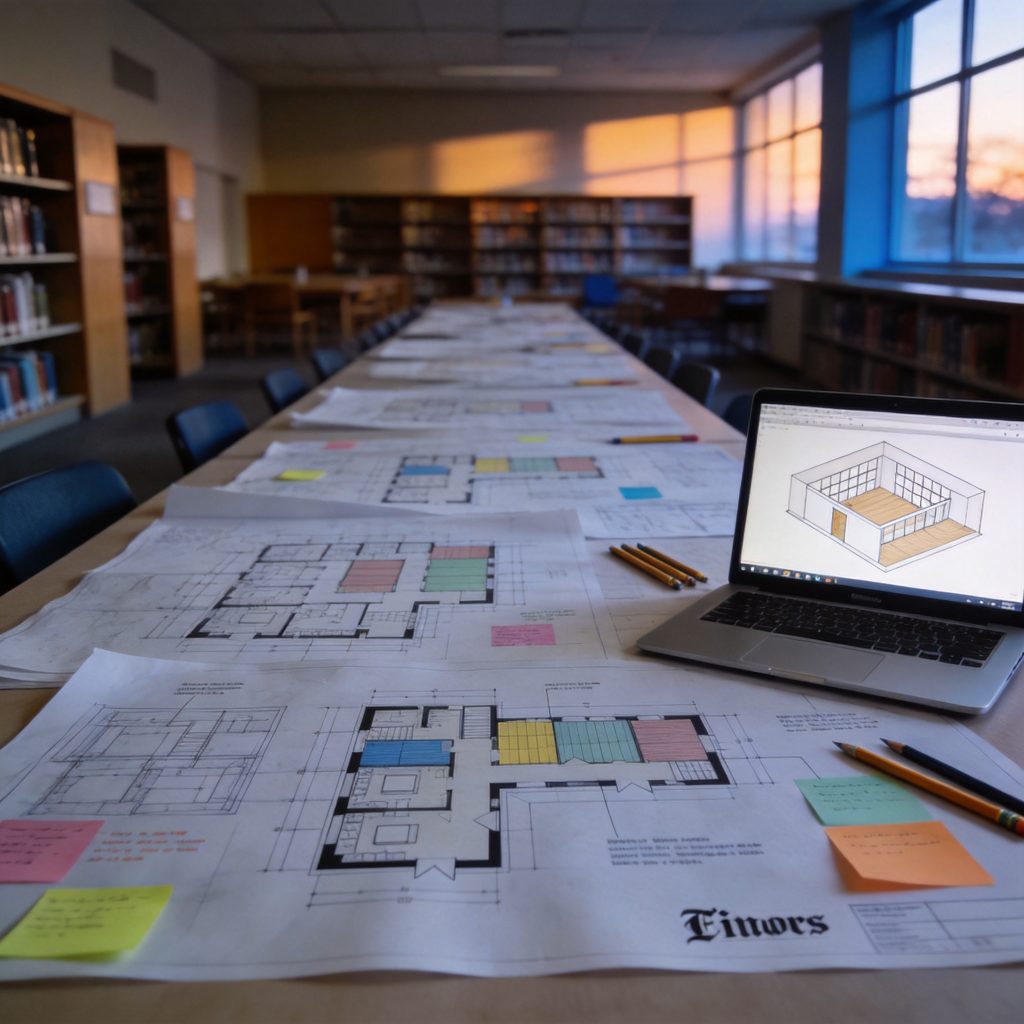
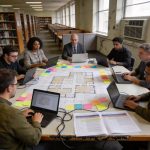
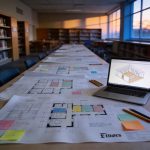
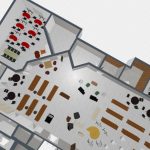
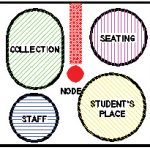
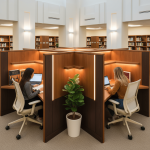
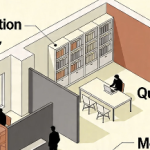
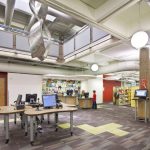
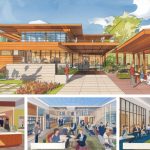
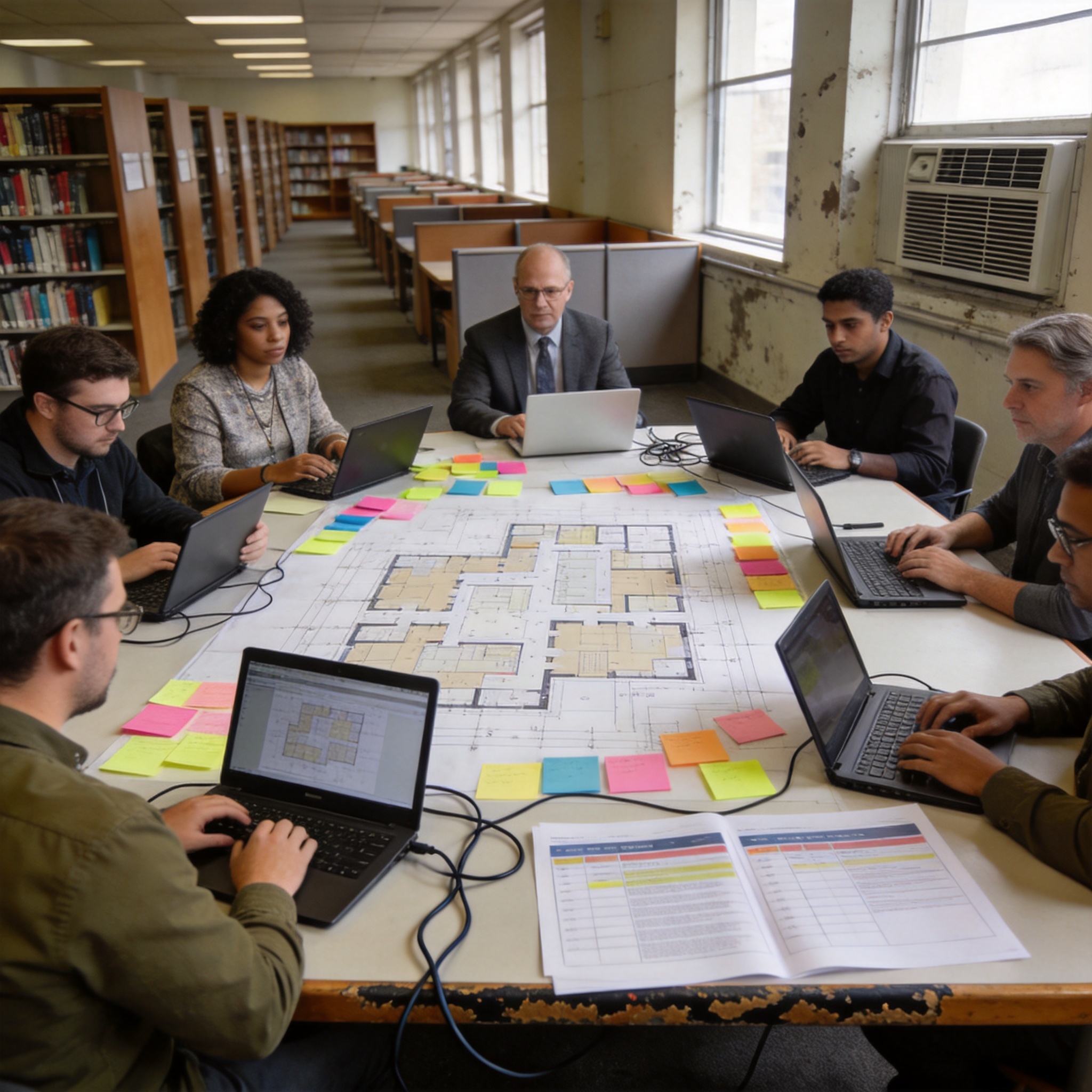
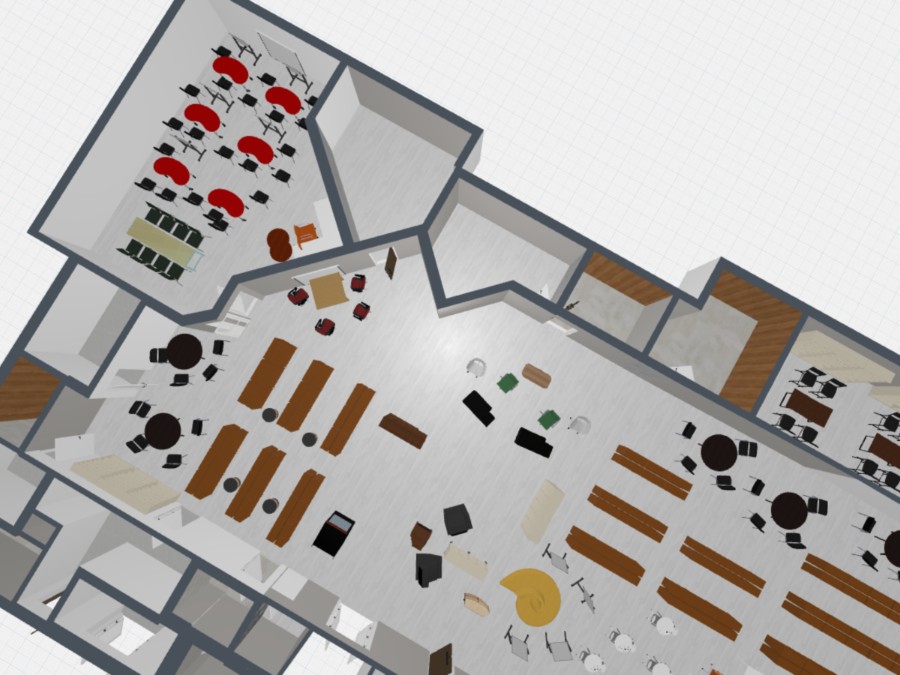
The library is an asset in the development of learning spaces. It is a place that can be transformed for different types of learning – individual, peer and collaborative learning. The learning commons is an example of a computer environment. However, the next generation of learning spaces is going to be designed for peer learning and individual computing space.

There are examples of how the learning environment is changing. The flipped classroom is a pedagogical model in which the typical classroom (lecture and homework center) are reversed. The flipped classroom draws on such concepts as active learning, student engagement, hybrid course design, and course podcasting.

The value of a flipped classroom is in the way a class space is transformed. It allows for a workshop setup where students can work collaboratively, inquire about lecture content, test their skills in applying knowledge, and interact with one another in hands-on activities.

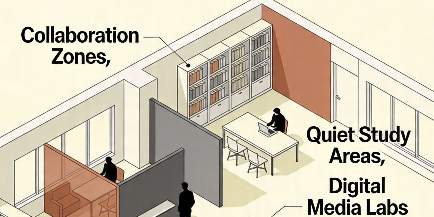
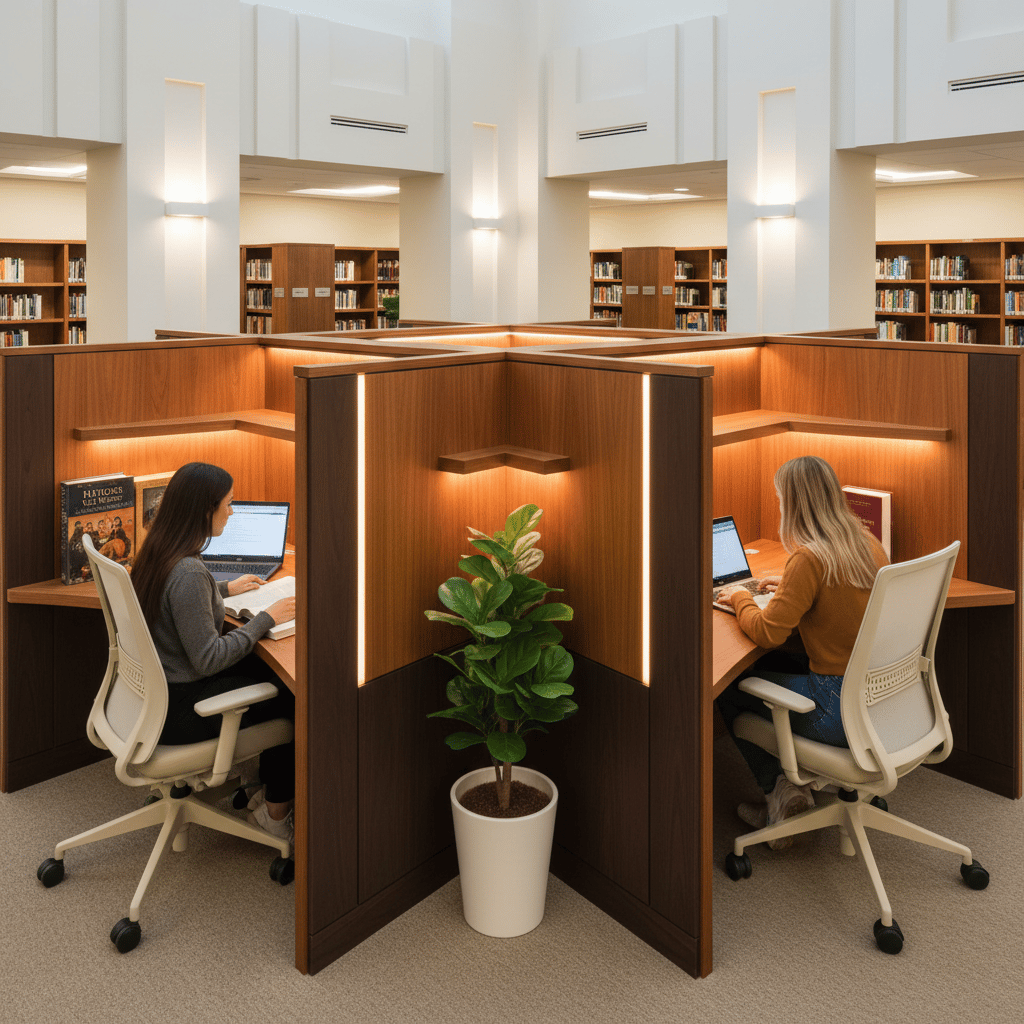
The flipped classroom is designed to support new types of functionality. It allows faculty and students to adjust their environment for peer and group learning. The model has the potential to shift learning styles from covering material to collaborating and mastering it. “Flip classroom” environments are in libraries too. We design spaces to support new learning styles. Furniture examples by Steelcase illustrate how a flip classroom can be implemented in an educational environment.

physical and virtual library worlds

physical and virtual library worlds

, , , , ,

No Comments

New Ways of Learning Effects Library Design

Technology has impacted the way we use library collections. It has impacted the way we interact in the library building. The landscape of learning has changed so much that we need to ask – “Is someone literate if they can not use digital technology?”

The library of the future needs to provide ways to build skills for creativity, socializing and collaboration. If you look around, you will find young people using mobile technology. According to Pew Internet – Smartphones – 35% of adults in the US own a smartphone and more people have cell phones than a degree. And “some 87% of smartphone owners access the internet or email on their handheld, including two-thirds (68%) who do so on a typical day. When asked what device they normally use to access the internet, 25% of smartphone owners say that they mostly go online using their phone, rather than with a computer.”

For young kids, the cell phone can be a distraction or it can be an effective productivity tool. To produce the New Learners for the 21st Century we need libraries that enable educators to use the digital media to shape their experience of the world.

Collaborative Space

Collaborative Space

, , , , ,

No Comments

New Service Models for Libraries

Long Island University has an Ipad project that allows a new student to receive an IPAD. It is very impressive to hear that Universities are adapting education to meet the needs of today’s students.

From a library perspective, the integration of Ipad-like tools will no doubt change the learning environments. In the “Truth Be Told: How College Students Evaluate and Use Information in the Digital Age,” the study found that most college students are daunted by starting and defining their research. It also found that students often use library resources, but not services.

Apple is a good example of the convergence between “digital services” and “library as place” – They have found the happy medium between self service (online) and self service PLUS (staff reference support/genius bar/training). The IPAD project will create new modalities in learning, requiring the library to adapt new services to be effective.

, , ,

No Comments