
Measuring Library Transformation in ROI
The library profession has long suffered from a vocabulary problem. We speak fluently in the language of circulation counts, gate tallies, and program attendance. These are metrics of activity that describe how busy and useful a library is to its community. As librarians and leaders we struggle to articulate the language of value. For financial consultants or library consultants, it is the return on investment that justifies capital expenditure, operational budgets, and square footage that is used. So, if we are to update an existing organization, and/or design new library, we must stop treating costs and space planning as discrete projects. We need to start managing them as well as technology as part of unified business improvement processes.
The ROI Framework
ROI metrics are not alien to library values; they are the translation layer that makes library values legible to governing authorities. The framework here includes four columns:
| Investment | Operational Change | Output Metric | Outcome Value |
|---|---|---|---|
| Integrated wayfinding + renovation | Staff redeployed from directional to consultative | Directional queries ↓ 60%; research consultations ↑ 35% | Student retention correlation; faculty time saved |
| Automated storage + high-density shelving | 15,000 sq ft reclaimed | Cost per sq ft construction avoided | New revenue: café lease, co-working memberships |
| Special collections climate + digitization lab | On-demand digitization workflow | Unique digital objects published; license agreements signed | Direct revenue + grant overhead recovery |
| AI metadata pipeline | Backlog processing without temp staff | Time-to-shelf: 18 months → 6 weeks | Collection use rate ↑; interlibrary loan lending ↑ |
Every line item in capital plan can populate this table.
False Comfort Paradox
When we look at technology it consistently frames the future as checklist of dangers. Recent news, highlight artificial intelligence as both good and bad. Indeed, making things and leveraging todays digital resources can be seen as leading edges of transformation. These are fast moving developments. Basically, AI-driven app generation creates new options for service delivery.
But checklists of desires are not a strategy. If you have been using AI chatbots or installing 3D printers you know that tech gives us new capabilities. Libraries need master planning to support new functions and update outdated service schemes. Here, staff/people who value the library and its tech are prioritized. They know it can be improved. Basically, there is no comfort in the status quo. When you do not understand how to use a cell phone or your mom is getting scammed by someone acting like a loved one. We need libraries more then ever to help us navigate the technology world. We need service plans to support these issues.
Business Case for Integration
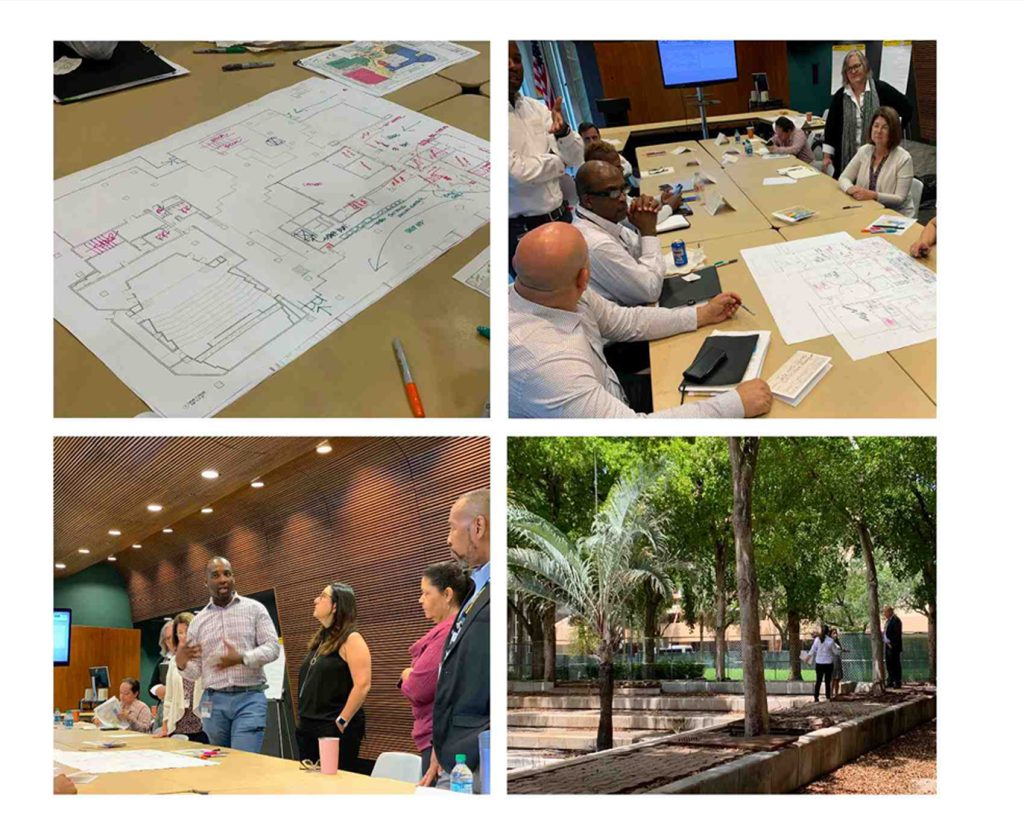
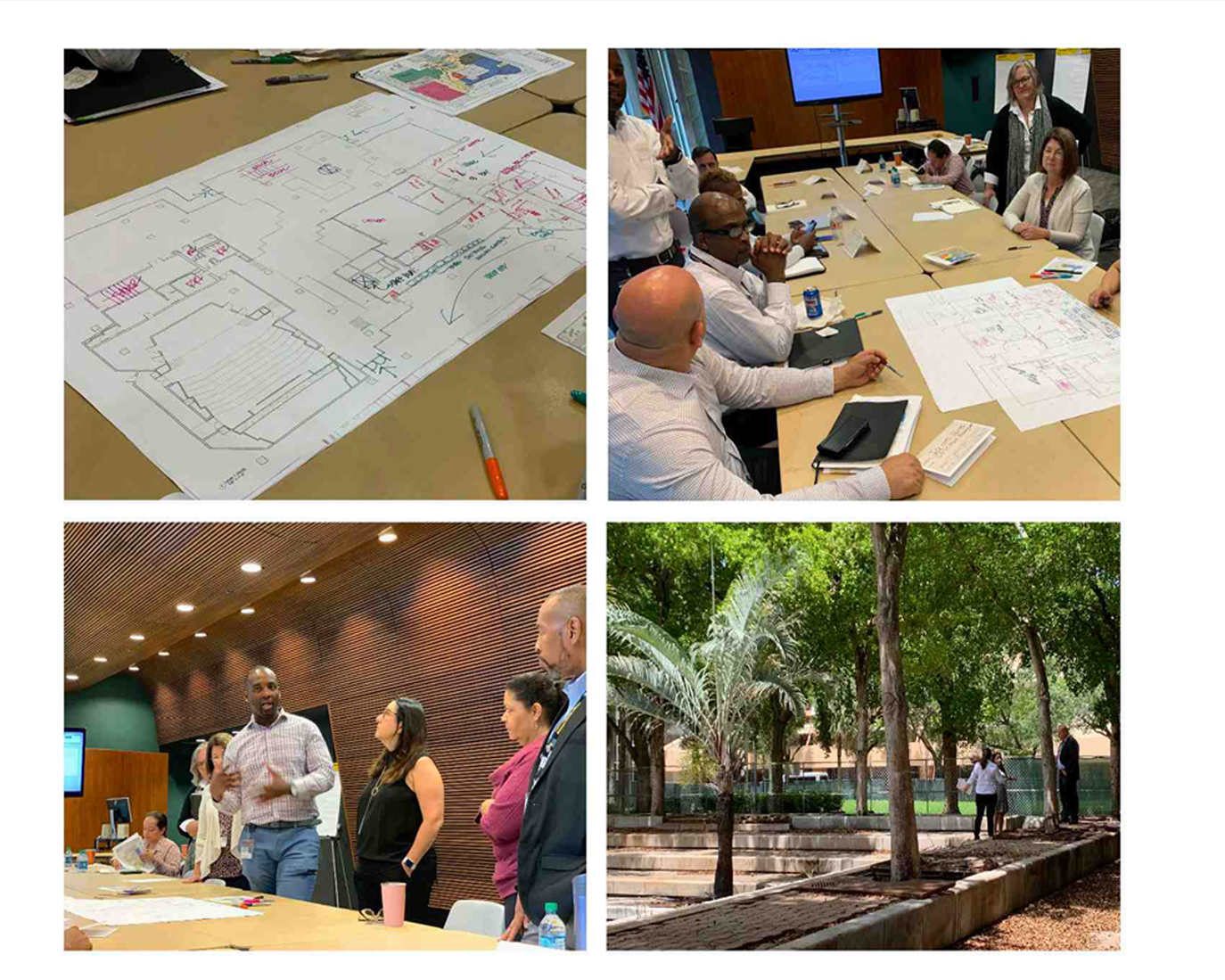
Our consultant’s business improvement work, and library programming helps measure the status quo by using ROI metrics. This includes functional reframing of the question: what do we need? How much do we have? What does our community value the most? Basically, library master plans are not wish lists of adjacencies or user engagement banter. They are capital allocation modeling workshops; they are solutions that have to be no-brainers. Yes, you will need to include technology roadmaps in library master plans. This is detailed can incude implementation schedules and/or strategic planning support documentation. Plans that spark the operational efficiency engine.
Measuring library transformation requires you to consider that typical siloed approach does not streamline decision-making. When the library facilities team plans renovation based on interior wear and tear cycles, and not on the capacity projections of the community. And when, IT department procures desktop computers, ILS and/or discovery layer based on vendor roadmaps. Indeed, when the special collections division seeks environmental upgrades based on preservation standards, but does not talk with the other teams about space needs. Each team produces valid plans. Together, they produce library mater plan that fights for change.
Integration means the modernization project is part technology deployment. Now, power and data infrastructure is sized for AI-driven services. Tools that will inform future space allocation are discussed. Self-service kiosks are positioned not where the circulation desk used to be, but where wayfinding data shows patrons actually pause.
Master Planning Journey
The transformation journey iterates between new technologies and new service capabilities. Here, we use the word iterates, because you need to start with hypothesis, and test it. For example, what is our seating capability? Is this need proven or embedded in library’s architectural data?
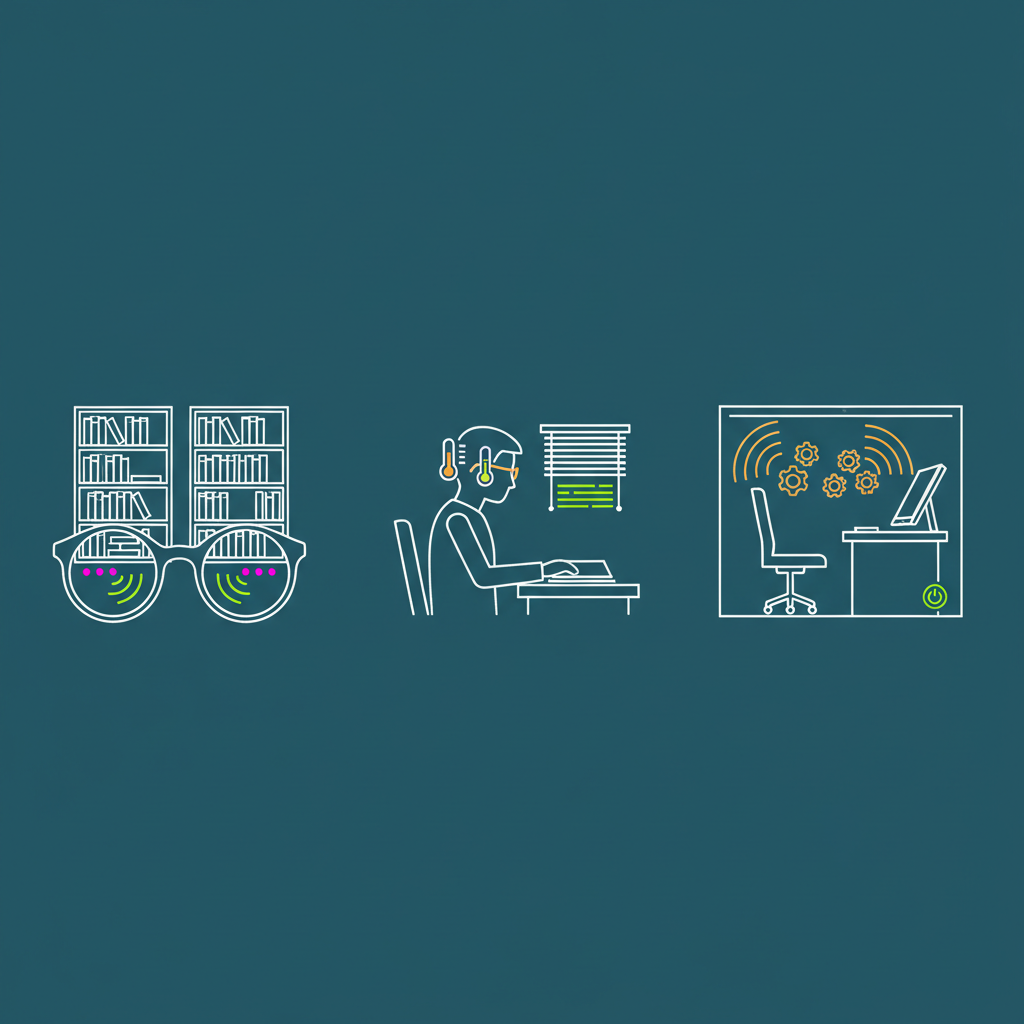
Take for example the development of digital functions, usage, and navigation. What if we deployed AI empowered chat stations or beacons or an app that helps patrons learn about how the library is used? What process might we use to develop new services? Dwell times, pathing errors, and/or security gates? We look for this type of data to be incorporated into the library master plan or program.
Here, library capabilities emerges when data informs the master plan. For example, relocation of the holds shelf to the high-traffic or the redesign of children’s zone entrance to eliminate a bottleneck. Lastly, reallocation of reference staff to the “dead zones” where patrons linger without service can be tested and experimented with. The capability OR how your library works and what behavior and when are they used is important to the service planner. The organization’s new ability to see its library in real time is an important learning opportunity. Once we know the issues, we can act on that vision and follow through with service improvements.
ROI calculations shift from “static cost to leveraging interactivity” to build “new spaces into developing resources that will support users.”
Special Collections
Nowhere is the ROI discipline more urgent, and more neglected during planning than special collections. The holdings sit on the balance sheet as an assets that is held in perpetuity: valued for prestige, insured for replacement cost, but rarely managed for return. The environmental controls, security infrastructure, and specialized staffing represent significant ongoing operating expense.
Through our business improvement lens we ask: what is the status of this collection and object? Not merely “scholarly access,” though that is necessary. The statis designation includes:
- Digitization licensing revenue from unique holdings.
- Exhibition tourism driving measurable local economic impact.
- Donor cultivation tied to named collection endowments.
- Research grant overhead attracted by distinctive primary sources.
- Brand equity that differentiates the institution in competitive recruitment.
Library master plans that treat the special collections as a revenue center with preservation as its quality control standard will be successful. Because its not a cost center but opportunities to provide more access through programming, education, and events.
Discipline of Phasing
Master planning is the art of phasing. No institution funds full vision cycles. So, the ROI framework helps define the sequence. For example, we often front-load investments that unlock revenue, and built momentum. Here, the trigger is how to reduce operating cost to fund later phases. Here are a few ideas:
- Phase One: Infrastructure that enables measurement. Occupancy use, analytics dashboard, networked environmental controls.
- Phase Two: High-ROI space reclamation. Automated storage, stack consolidation, service point consolidation. These may pay for themselves in avoided construction and reclaimed usable space.
- Phase Three: Capability deployment. The makerspace, digital scholarship lab, special collections & reading room. Functional architectural spaces are now sized, powered, and staffed based on data gathering and user engagement workshops.
- Phase Four: Continuous iteration. Library service capabilities expands by teaming up with partners, and building on historical success. The metrics refine. The library learns what makes it a success.
Closing the Loop
The outdated library is not library building of a certain age. It is a library managed without strategic service plan which you may call library master plan. It measures activity because activity can be counted and learned upon. It pilots new functional program strategies including new layouts. It identifies new technology that are fundable. It defines plans for library spaces, and services because silos are uncomfortable when there is no plan.
Library with designs that are not obsolete does three things differently.
1: Integrates capital planning across facilities, technology, and collections into master plan or investment thesis.
2: It converts library services into a capability with defined operational handoff and measurable return.
3: Speaks the language of ROI not to appease administrators, but to discipline its own operations, ensuring that every dollar spent on service solution, brick, silicon, or climate control yields value the community can see, use, and count.
4: Transformation journey is the migration from our analog past to physical, and digital futures. It is also challenge to the status quo or establishment. Remember you need to analyze the operations, and management systems that enhance the asset portfolio worthy of stewardship. The metrics are functional and they are defined with goals, objectives and strategies outlined. The library master plan is overdue. The design begins now.