

Ten Library Design Mistakes to Avoid
Why Pre-Design is Needed Before Construction
The library usually is judged on an ordinary Tuesday afternoon, not on the day it opens. Indeed, the ribbon has been cut and the renderings have been filed away and what remains is a set of rooms that either support the daily work of staff and patrons or functions that get in its way.
Most design failures are predictable. They come from pre-design and programming decisions made early, often for good reasons, by people who don’t have enough experience. They will not be working in the building, because they will retire or move on once it is finished.
The risks to design come up again and again in library projects. Each one can be prevented with a talented library program and design expert.
Risks are Part of the Process
1. Designing Without the Experience
The most expensive mistake is the cheapest one to prevent: leaving experts out of the design process. Architects who don’t listen to knowledgeable experts produce buildings that look good in renderings and don’t work for tomorrows operations. Of course, when the functionality of the library falls short because the staff didn’t get a say and the library design consultant didn’t get their input its too late.
Good architecture library planning starts by mixing the existing staff with programming experts. That means pre-design workshops where everyone is listening and questions about what they want to be able to do in the future is addressed. Only then will it be possible for expert evaluations, staff critiques, and recommendations for reaching those goals.
Specialty knowledge should shape the interior design, not get bolted on afterward. Experienced staff are a key stakeholder group and they need experts to work with them. The library consultant researches how people will use the building and how it actually has to work.
2. Letting Costs Remove What Makes the Plan Work
Every project faces cost pressure. Bids always come in over budget, and late redesigns and/or change orders follow. The danger lies in what gets cut in the late stages of design. Cost engineering tends to remove the items after the design is started. This makes the plan fail when it could do much more for the community. For example, there designs can include adaptable wall systems, book-walls, power outlets, acoustic treatment, and high-quality furniture. The decorative designs also get out of synch when the design team uses a cookie cutter design. They can’t enhance how the library performs, because they don’t know how to create an architectural aesthetic that supports long term learning and educational growth.
Working with a pre-design library consultant allows you to develop a disciplined plan and budget. Working with library programming and planning strategists protects the futuristic options from the start.
One effective approach is to engage in new research in fundraising for architecture. For example, integrating ideas using wall partitions and modular buildings have saved many projects during construction.
Developing deep research for library design can help enhance where the furniture, power, and acoustics are placed. This work helps support how patrons and staff actually use the library.
3. Chasing Trends
Makerspaces, podcast studios, and “flexible” zones are attractive in pre-design and planning meetings. Many of them don’t work and sit empty because the service strategy wasn’t well thought-out. When we research library trends; it helps create innovations in library programs.
Each space type is examined with options that demonstrate the needs of the community, and the staff who will run it, not forced because that is what a modern library is supposed to contain.
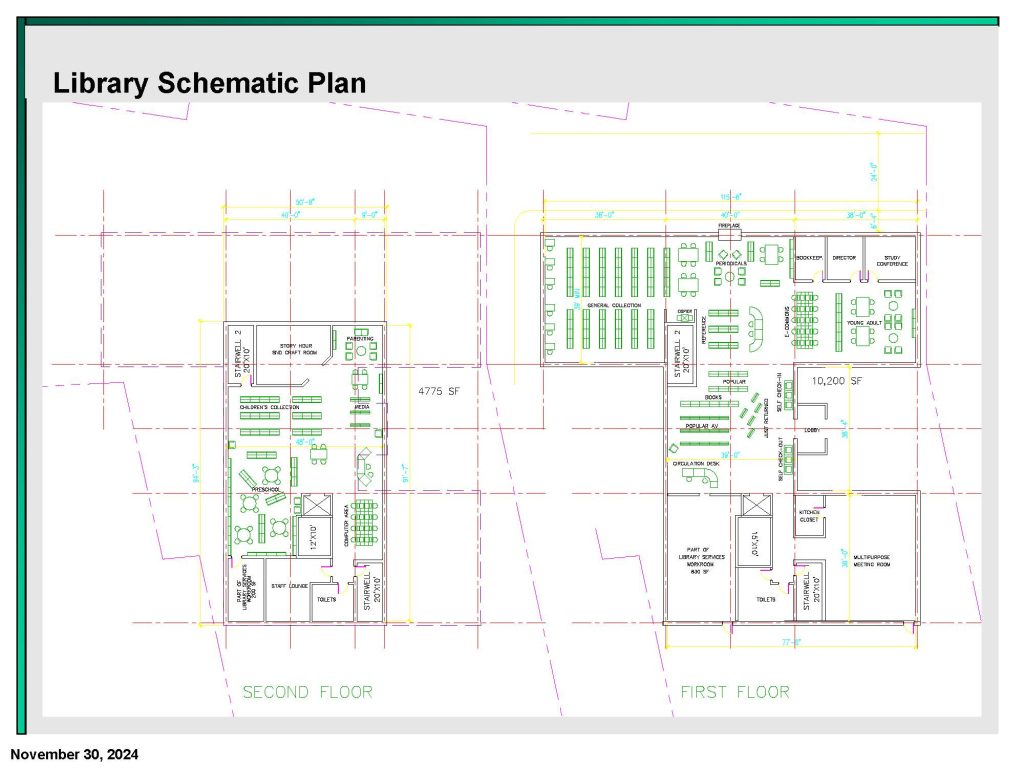 Risks For When You Think Your Library Finished Building is Finished
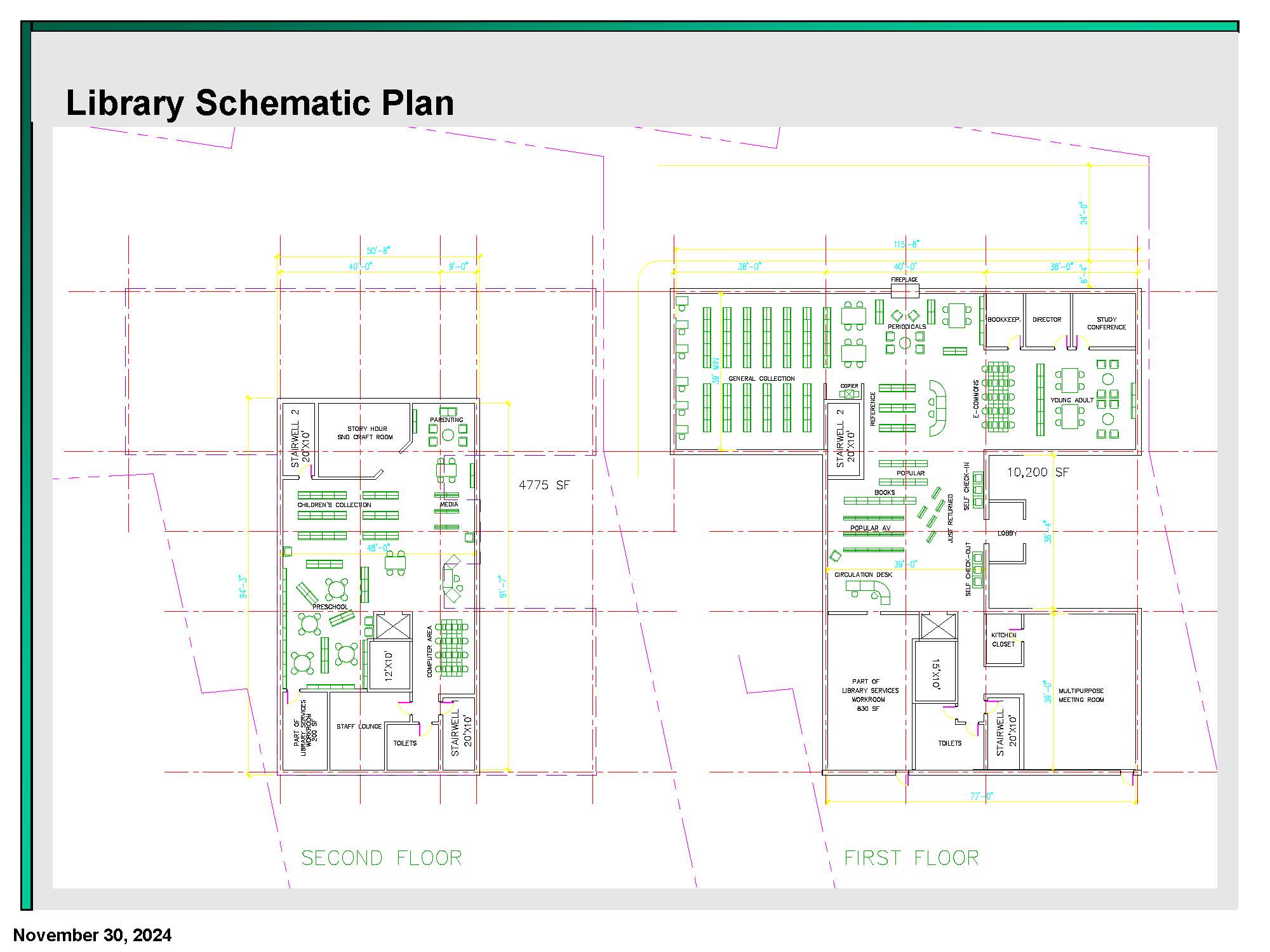
4. Underestimating Acoustics and Noise
Library space plans that are open, hard surfaces for work, and adjacent children’s areas can carry sound into the spaces meant for quiet. Acoustics is one of the most common complaints in libraries, and it is one of the first things plans without library consultants face. Noise is an adjacency and behavior design challenge as much as an engineering challenge.
Where loud activity seating is relative to quiet study needs to be planned accordingly. This programming and planning has to be analyzed early, and it has to be integrated into the design.
5. Underbuilding Power, Individual and Group Rooms
What happens when there is too few power outlets? This is a complaint heard even after renovations by architects without specialty knowledge in library science. Individual study and meeting rooms tell a similar story; when they are booked solid from opening day. Both examples show that library planning was left out of design. Rather than investing in the best; the design team doesn’t have that knowledge.
Specialty library plans won’t underestimate the patrons need on the day it opens. They support the unique nature of library programming, service planning and architecture.
6. Knowledge of How Sightlines Works
When staff can’t see corners, stacks, or restroom entrances, safety is a concern. When the restrooms which are constant source of maintenance, safety, and drug-use incident can’t be managed you have a problem. Security is also something to fix in design and not after the fact. Both issues come from where the service points sit, how the stacks are arranged, and how public and staff manage and relate to each other. Specialty library design consultant programs help let the staff see the floor naturally.
Security analysis during programming makes the library safer and with less for intervention.
Security is always a hard question and its always a functionality issue. When serving diverse patrons and keeping the building secure become design drivers, the building can drift toward surveillance and away from a welcoming place. There is an easy answer to security, making the library easy to use.
Certainly, these types of conversations belongs in the pre-planning phase, where it can be programmed and planned properly.
7. Treating Staff Workrooms as an Afterthought
Workrooms are often cramped, windowless, and missing any break space. The public sees none of this, so it is easy to cut out of the library design. Library staff feel when the library is not programmed properly. They feel it every day when library neglects the staff.
We need a library workforce that isn’t struggling to keep up. The cost shows up in service quality long after construction is paid off.
8. Designing for the Rendering
Glass designs look good in presentations. In practice they can make the library feel cold. Specialty Library IT solutions with integrated furniture is also a concern. These design challenges need to be considered for a successful holistic plan.
When develop visuals, we analyze how the spaces will interact in the future. Is the space functional or not? Patrons and staff live with the library’s culture, climate, light, and furniture. The library pre-design decisions should be judged on how they perform for the long term, not on how it looks in a photograph.
9. Wayfinding is Key
When patrons find themselves in a maze or they can’t find anything, staff become the directory. Basically, the question “where’s the bathroom” all day gets a little challenging. Every question takes time away from real research services. So, good wayfinding needs to be built into the library layout. Indeed, the sightlines and logic of how learning spaces connect is key.
Signage helps and traffic pattern programming enhances it. Note, you can’t rescue a confusing library plan in the future. Patrons should be able to understand how the library building works by walking through it.
Mistakes After the Building Opens
10. Building Bigger Without Funding the Building
Building a large library with the same staff is a common and serious challenge. Nobody budgets for the future; operating costs after opening can be steep. More square footage may mean more to supervise, clean, maintain, and program. Without matching library operating funds, the new library stretches the organization thinner than the old one did.
Indeed, deferred maintenance on the old building can also eat the money meant for library improvements. Long-range planning is a key skill for the library consultant. They have knowledge of how the capital and operating costs will affect the library in the future.
Programming Wider Context
The 10 risks outlined don’t happen in isolation. Library projects unfold inside the board, and when academic politics stops thinking about student success. Whether your going for a bond or referendum or a new campus design, you know the specialty has to be in the plan. It has to be solid design for a skeptical public.
Long timelines of referendums, permits, and delays can drain staff morale before construction starts. Start by workshopping what’s possible. Try reorienting the collection, and making room for people to sit in new furniture demos. Each of these pre-planning exercises helps start to push decisions toward renewal, updated appearances, and/or political support.
You need to pull away from how the building doesn’t support the community into what you are doing to meet the future head on. We want to help you make sure it will actually work by applying best practices and experience to the challenges we face.

