Dialog for Building Library
Modern library projects should start with a dialog about the research collections. They help us understand what is needed, what is possible and where we are going. So, what if an institution picks a platform and licenses a few databases? How will the community use what it bought? Doing it backwards guarantees a mismatch between what the library service offers and what its users need.
Certainly, the modern library includes a number of software products (e.g. catalog, databases, access, eprint, AI, etc.). Like any information service, it must be planned around the community it serves, the work the patrons do, and the challenges the educational institutions pedagogy requires. Research planners who understand the following challenges can design and modernize their library.
Knowledge Management Framework
Our knowledge management framework for building the modern library from the ground up rests on two foundations. The first is structured sets of planning questions and analysis about current resources, user challenges, and gaps in coverage. The second is collection development (including Apps, SaaS, CMS, AI, etc.), which here means specific, disciplined tools for analysis.
Service Planning as Inquiry
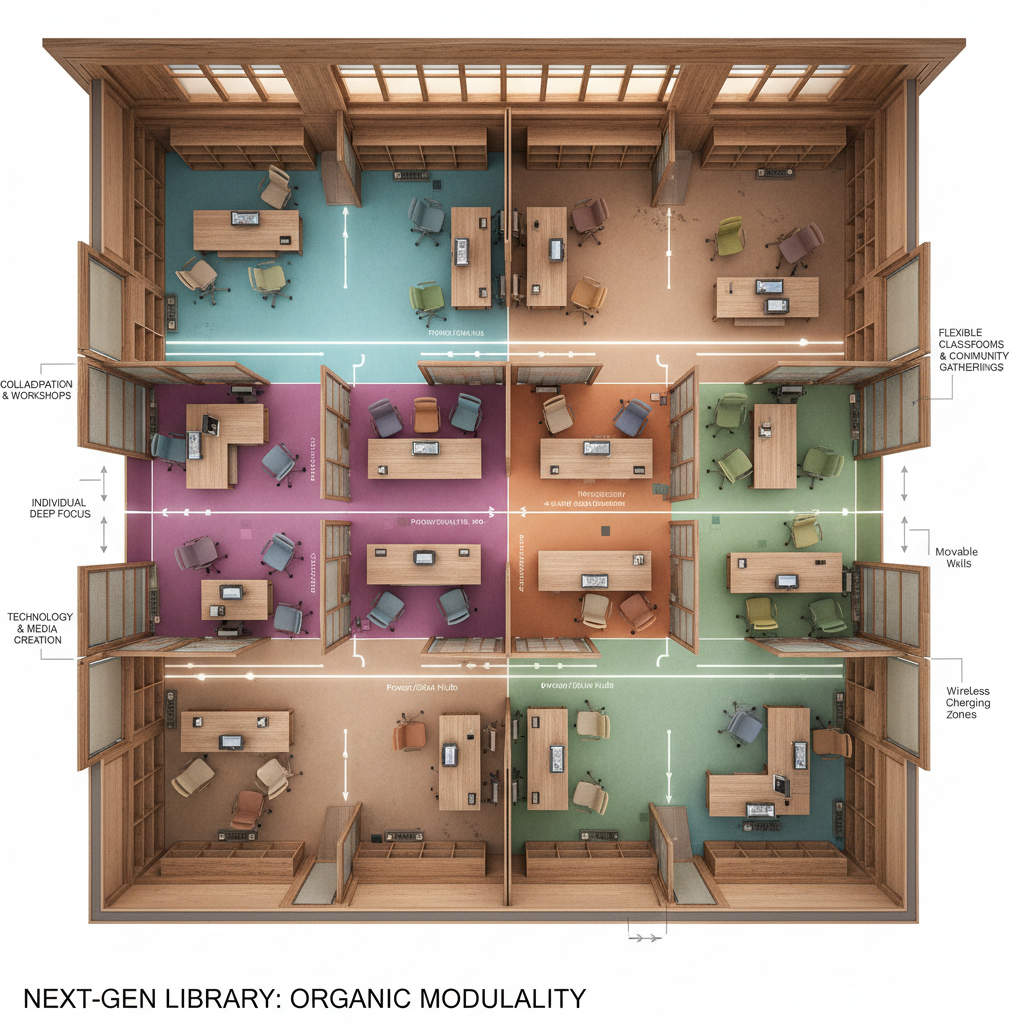
The library service plan is only as good as the experience behind it. Most institutions lack knowledge of how a library works and what is possible today (e.g. Hermes, Gbrain, Obsidian, Claude code, etc). They lack shared interpretation of collections resources and the vast opportunity of research tools. Researchers, students, librarians, and administrators each see the collection and research tools from where they experience it. Often this is on their phone as well as their desktop. Indeed, each type of user assumes their view is the whole picture, which is why you need a collection development plan.
Change Handbook
Indeed, the change handbook by P. Holman and Tom Devane says that dialogue belongs at the center of planning. Glenna Gerard and Linda Ellinor developed dialogue as a practice through their work at The Dialogue Group. It is an adaptable method of modern research and investigation. Dialogue doesn’t try to win an argument or reach a quick decision. Its purpose is to bring hidden assumptions to the surface. The process helps people work together.
For library planning, the difference is shown in the outcomes. We find that dialogue yields understanding, and understanding is the only reliable foundation for library service. Our library experience starts with dialogue. Here, we reflect what the institution actually needs.
Step One: Establish What the Institution Uses
Planning begins with the inventory. Before deciding what to build, the institution has to know what it already relies on. The useful question is not what the library licenses. It is what students, faculty, and researchers actually use.
For example, the collection analysis for a basic research library should cover the full range of resources in play:
- News and journalism databases, such as Nexis and Factiva
- Audio archives, including radio news and podcasts
- Primary source collections and historical archives, such as ProQuest History Vault and Gale Primary Sources
- Scholarly databases and journal collections, such as JSTOR and EBSCOhost
- General tools used for research support, such as ChatGPT, Microsoft Copilot, and Gemini
- Library-enabled research and discovery tools, such as Scite and Consensus
The last two services are advanced AI tools, but noteworthy as digital libraries need both general-purpose Library tools and ones that take advantage of LLMs. Basically, researchers already use a variety of AI tools and they are struggling with common questions over risk. The question is how the library will support AI access and use responsibly.
Collections should also have room for “other” or unexpected content areas that are growing. When modern LLM systems grow, the library can be a resource that protects uses. Here, disregarding advances in tech creates a gap.
Step Two: Name the Challenges Directly
Audit the collection and show what exists. Basically, an assessment of collection resources shows what the library contains. Indeed, a series of research questions should inquire where patron research breaks down. The common challenges fall into four groups.
Access
The most common challenge is getting to paywalled or restricted content. Indeed, access to apps and databases is how collections are used.
Evaluation and Relevance
Users often struggle with assessing whether archive sources are relevant and appropriate for a specific assignment, lesson, or research question. They also struggle with finding credible news, journalism, or media sources. These are not access problems. They are collection planning; judgment and training problems. .
Navigation
Navigating diverse archives or databases without specialist search knowledge is one of the most persistent obstacles in current research tools. Collection tools that only experts can use is effectively closing access to everyone else. Discovery design, interface choices, and instructional support all decide whether a collection gets used or sits idle.
Skills and Judgment
There are two challenges for developing modern libraries.
- Supporting students (e.g. patrons) in developing research and source-evaluation skills.
- Using library-research tools while preserving judgment; protecting the user through transparency.
Both concern the researcher’s intellectual integrity, not the collection. Both require the library to act as a protector as well as a provider.
Step Three: Assess Coverage by Source Type
It is good to measures how well current licensed resources support teaching and academic work for each type of source.
Here are some examples of the types of resources:
- Written journalism, including news articles, analysis, and features
- Historical radio news, broadcast material, and transcripts
- Audio programs and podcasts
- International media monitoring and analysis
Rating each source type on its own scale keeps one content area from hiding weaker content types. Library users may be well served for written journalism and badly served for historical broadcast material. If you develop an analysis using single overall ratings, you bury the differences. So, plan to think about gaps in the collections and opportunities in its entirety.
Here we are also exposing common blind spots. Many libraries treat audio and broadcast material as marginal and not core collections. For disciplines that study digital media, politics, history, or public discourse, audio is primary evidence.
Step Four: Convene Workshops and Dialogue Around the Findings
After you have starting developing sets of questions and analyzing the data. Its time for understandings. This is where the dialogue method moves from theory into practice.
The library consultant and planning team brings the results to a cross-section of stakeholders, and uses them as the starting point for structured inquiry. The guiding question starts with open ones. Why do so many researchers turn to general AI tools before scholarly databases? What difficulty does the user have with archive and what does it say about how assignments are designed? Why are diverse perspectives scarce, and who decided the current scope of the collection?
In dialogue, we examine assumptions before they defending them. For example, you might assume students lack search skills. The staff may assume faculty never assign archival work. Dialogue gives both assumptions room to be analyzed, tested, and revised.
Indeed, you need to build a shared picture of the institution’s research life when developing a strong collection and library. Developing a picture of the collection as a foundation of the academic service-plan helps get you there.
Step Five: Translate Understanding Into a Service Plan
The library collection is shared understanding in a place. The library can build the academic service-plan when each challenge or service area is covered:
- Access challenges call for licensing strategy and attention to international and underrepresented sources.
- Evaluation challenges call for curated pathways, contextual guidance, and source-assessment support.
- Navigation challenges call for discovery design that serves the non-specialist.
- Skills and judgment challenges call for instruction, including explicit guidance on citation transparency when Library tools are part of the research process.
The coverage gaps need to be identified as a set priorities for acquisition. The audit of the collection helps define what to keep, what to consolidate, and what to retire or deaccession.

Dialogue as the Engine of Collection Use
There’s a benefit that most architecture and planning projects overlook. The same dialogue that shapes the library plan also requires an understanding of how people use the collection. When people use books they are shaping library services. Educators, professionals and administrators who helped identify the gaps in collections are the ones who can build new repositories of knowledge.
Dialogue is critical in the planning stage. It is an adaptable method of investigation, and it can keep running as part of the library’s ongoing operation. Indeed, developing a recurring practice of asking, listening, and revising is useful.
The Library that encourages conversations about the collection stays aligned with its community. The Library collection that stops being used will eventually drifts out of date.
The Implementation
The modern library can be built. This is a rare chance to get the foundations right. The institution that takes the future and learns what’s possible will succeed. Here, start by leveraging technology research and asking questions on what’s possible. Here are a few “W” questions to start:
- What do the users already rely on?
- Where does their work break down?
- Which kinds of content in the collection is left out?
We can help you bring those questions into real dialogue and understandings. This will include a set of survey responses and workshops. This will help you define a shared understanding of the institution’s or organizations intellectual needs. The collection, platform, the licenses, and the interface all need to be develop from that understanding. An institution that skips planning it will end up with a collection its users never asked for.
Building a Library From Scratch
Modern library projects that start with a dialog about the research collections. They help us understand what is needed, what is possible and where we are going. So, what if an institution picks a platform and licenses a few databases? How will the community use what it bought? Doing it backwards guarantees a mismatch between what the library service offers and what its users need.
Certainly, the modern library includes a number of software products (e.g. catalog, databases, access) and print items. Like any information service, it must be planned around the community it serves, the work the patrons do, and the challenges the educational institutions pedagogy requires. Research planners who understand the following challenges can design and modernize their library.
Knowledge Management Framework
Our knowledge management framework for building the modern library from the ground up rests on two foundations. The first is structured sets of planning questions and analysis about current resources, user challenges, and gaps in coverage. The second is collection development (including Apps, SaaS, CMS, AI, etc.), which here means specific, disciplined tools for analysis.
Service Planning as Inquiry
The library service plan is only as good as the experience behind it. Most institutions lack knowledge of how a library works and what is possible today (e.g. Hermes, Gbrain, Obsidian, Claude code, etc). They lack shared interpretation of collections resources and the vast opportunity of research tools. Researchers, students, librarians, and administrators each see the collection and research tools from where they experience it. Often this is on their phone as well as their desktop. Indeed, each type of user assumes their view is the whole picture, which is why you need a collection development plan.
Change Handbook
Indeed, the change handbook by P. Holman and Tom Devane says that dialogue belongs at the center of planning. Glenna Gerard and Linda Ellinor developed dialogue as a practice through their work at The Dialogue Group. It is an adaptable method of modern research and investigation. Dialogue doesn’t try to win an argument or reach a quick decision. Its purpose is to bring hidden assumptions to the surface. The process helps people work together.
For library planning, the difference is shown in the outcomes. We find that dialogue yields understanding, and understanding is the only reliable foundation for library service. Our library experience starts with dialogue. Here, we reflect what the institution actually needs.
Step One: Establish What the Institution Uses
Planning begins with the inventory. Before deciding what to build, the institution has to know what it already relies on. The useful question is not what the library licenses. It is what students, faculty, and researchers actually use.
For example, the collection analysis for a basic research library should cover the full range of resources in play:
- News and journalism databases, such as Nexis and Factiva
- Audio archives, including radio news and podcasts
- Primary source collections and historical archives, such as ProQuest History Vault and Gale Primary Sources
- Scholarly databases and journal collections, such as JSTOR and EBSCOhost
- General tools used for research support, such as ChatGPT, Microsoft Copilot, and Gemini
- Library-enabled research and discovery tools, such as Scite and Consensus
The last two services are advanced AI tools, but noteworthy as digital libraries need both general-purpose Library tools and ones that take advantage of LLMs. Basically, researchers already use a variety of AI tools and they are struggling with common questions over risk. The question is how the library will support AI access and use responsibly.
Collections should also have room for “other” or unexpected content areas that are growing. When modern LLM systems grow, the library can be a resource that protects uses. Here, disregarding advances in tech creates a gap.
Step Two: Name the Challenges Directly
Audit the collection and show what exists. Basically, an assessment of collection resources shows what the library contains. Indeed, a series of research questions should inquire where patron research breaks down. The common challenges fall into four groups.
Access
The most common challenge is getting to paywalled or restricted content. Indeed, access to apps and databases is how collections are used.
Evaluation and Relevance
Users often struggle with assessing whether archive sources are relevant and appropriate for a specific assignment, lesson, or research question. They also struggle with finding credible news, journalism, or media sources. These are not access problems. They are collection planning; judgment and training problems. .
Navigation
Navigating diverse archives or databases without specialist search knowledge is one of the most persistent obstacles in current research tools. Collection tools that only experts can use is effectively closing access to everyone else. Discovery design, interface choices, and instructional support all decide whether a collection gets used or sits idle.
Skills and Judgment
There are two challenges for developing modern libraries.
- Supporting students (e.g. patrons) in developing research and source-evaluation skills.
- Using library-research tools while preserving judgment; protecting the user through transparency.
Both concern the researcher’s intellectual integrity, not the collection. Both require the library to act as a protector as well as a provider.
Step Three: Assess Coverage by Source Type
It is good to measures how well current licensed resources support teaching and academic work for each type of source.
Here are some examples of the types of resources:
- Written journalism, including news articles, analysis, and features
- Historical radio news, broadcast material, and transcripts
- Audio programs and podcasts
- International media monitoring and analysis
Rating each source type on its own scale keeps one content area from hiding weaker content types. Library users may be well served for written journalism and badly served for historical broadcast material. If you develop an analysis using single overall ratings, you bury the differences. So, plan to think about gaps in the collections and opportunities in its entirety.
Here we are also exposing common blind spots. Many libraries treat audio and broadcast material as marginal and not core collections. For disciplines that study digital media, politics, history, or public discourse, audio is primary evidence.
Step Four: Convene Workshops and Dialogue Around the Findings
After you have starting developing sets of questions and analyzing the data. Its time for understandings. This is where the dialogue method moves from theory into practice.
The library consultant and planning team brings the results to a cross-section of stakeholders, and uses them as the starting point for structured inquiry. The guiding question starts with open ones. Why do so many researchers turn to general AI tools before scholarly databases? What difficulty does the user have with archive and what does it say about how assignments are designed? Why are diverse perspectives scarce, and who decided the current scope of the collection?
In dialogue, we examine assumptions before they defending them. For example, you might assume students lack search skills. The staff may assume faculty never assign archival work. Dialogue gives both assumptions room to be analyzed, tested, and revised.
Indeed, you need to build a shared picture of the institution’s research life when developing a strong collection and library. Developing a picture of the collection as a foundation of the academic service-plan helps get you there.
Step Five: Translate Understanding Into a Service Plan
The library collection is shared understanding in a place. The library can build the academic service-plan when each challenge or service area is covered:
- Access challenges call for licensing strategy and attention to international and underrepresented sources.
- Evaluation challenges call for curated pathways, contextual guidance, and source-assessment support.
- Navigation challenges call for discovery design that serves the non-specialist.
- Skills and judgment challenges call for instruction, including explicit guidance on citation transparency when Library tools are part of the research process.
The coverage gaps need to be identified as a set priorities for acquisition. The audit of the collection helps define what to keep, what to consolidate, and what to retire or deaccession.
Dialogue as the Engine of Collection Use
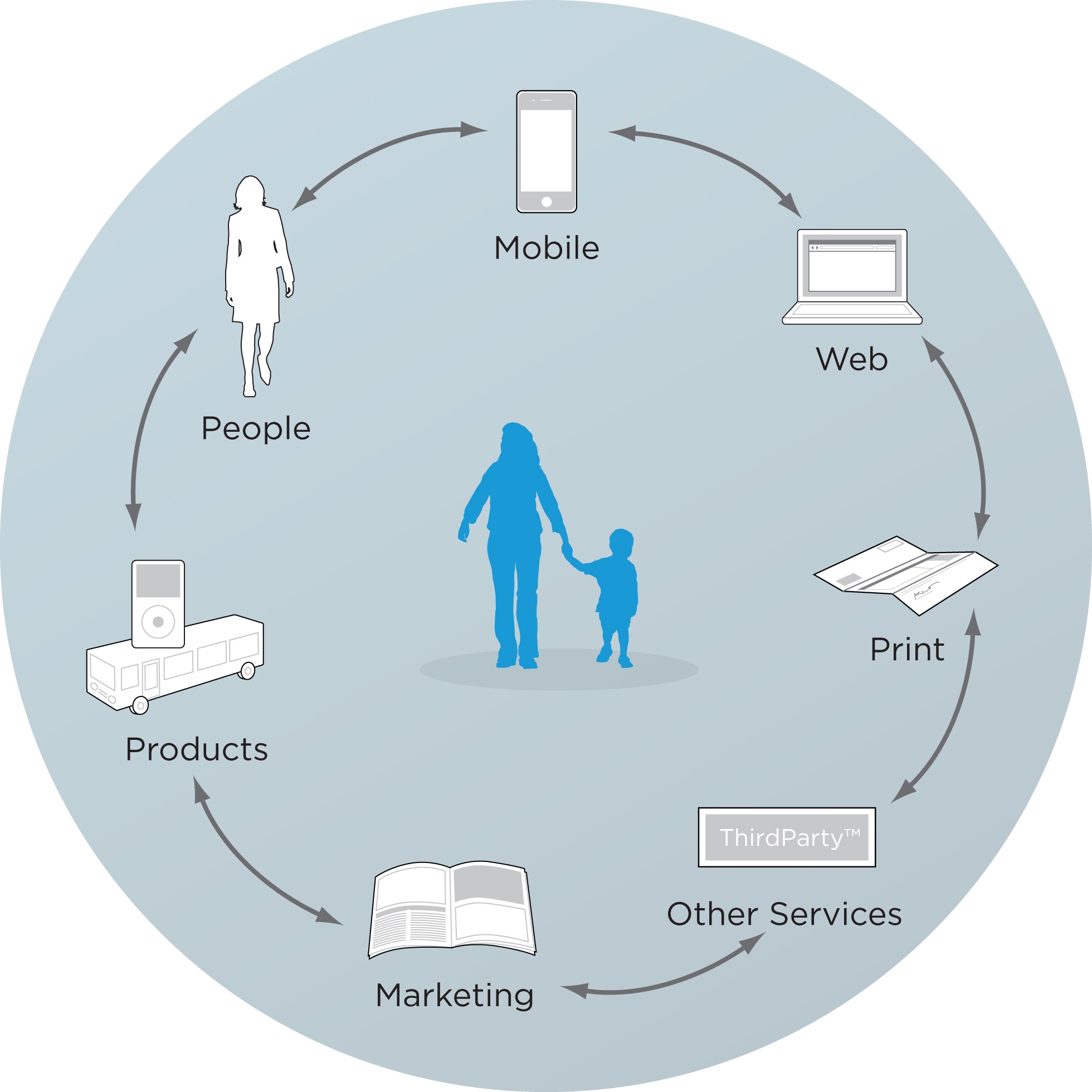
There’s a benefit that most architecture and planning projects overlook. The same dialogue that shapes the library plan also requires an understanding of how people use the collection. When people use books they are shaping library services. Educators, professionals and administrators who helped identify the gaps in collections are the ones who can build new repositories of knowledge.
Dialogue is critical in the planning stage. It is an adaptable method of investigation, and it can keep running as part of the library’s ongoing operation. Indeed, developing a recurring practice of asking, listening, and revising is useful.
The Library that encourages conversations about the collection stays aligned with its community. The Library collection that stops being used will eventually drifts out of date.
The Implementation
The modern library can be built. This is a rare chance to get the foundations right. The institution that takes the future and learns what’s possible will succeed. Here, start by leveraging technology research and asking questions on what’s possible. Here are a few “W” questions to start:
- What do the users already rely on?
- Where does their work break down?
- Which kinds of content in the collection is left out?
We can help you bring those questions into real dialogue and understandings. This will include a set of survey responses and workshops. This will help you define a shared understanding of the institution’s or organizations intellectual needs. The collection, platform, the licenses, and the interface all need to be develop from that understanding. An institution that skips planning it will end up with a collection its users never asked for.