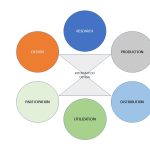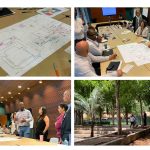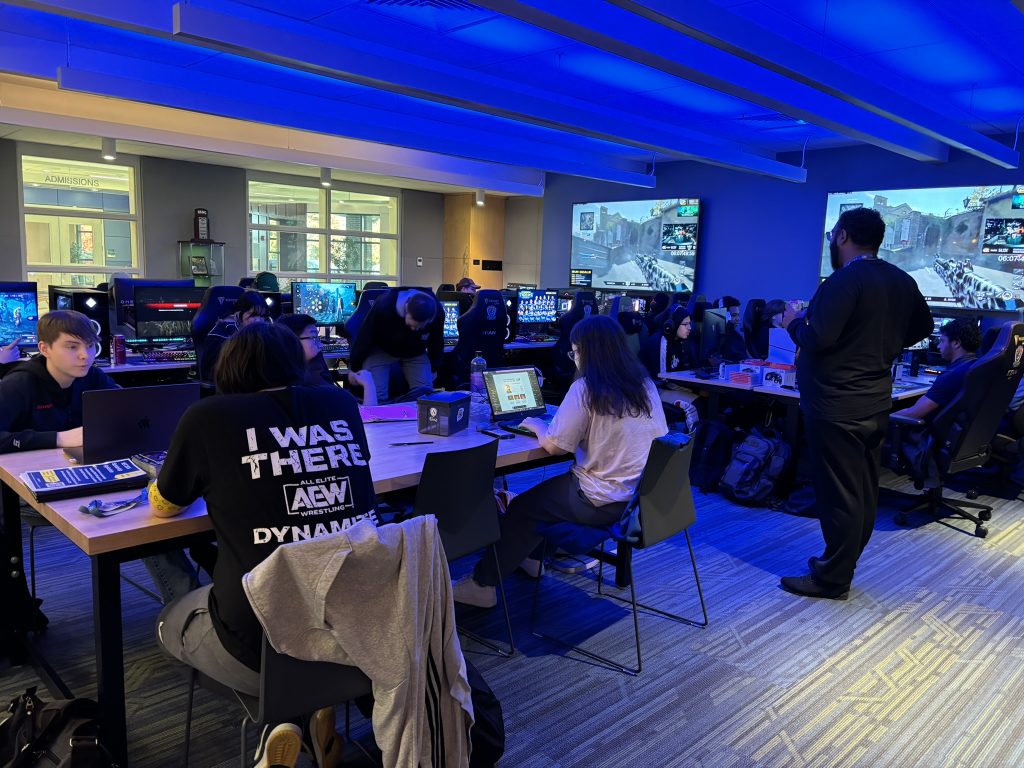

Structured Challenges Developing a Digital Library
How do you develop the library of the future? Do you focus on collections? The question sounds simple. It is not. Behind it stand harder questions that every library leader must eventually confront. For example, what are the constraints of the physical library? What is the collection profile? How does your organization combine unique knowledge with digital access? How do you make decisions of consequence without falling into the most comfortable trap – the status quo.
In theory, physical collections produce better libraries. In practice, diversity of digital resources and physical provides better ones. Basically, we start with library service strategies, and then move to collection development. This includes interviewing talented people from the presidents office to circulation, from partnerships to instruction, special and archive collections, IT and facilities. We generate strong strategic directions with input to evaluate what is possible.
The Case for Structured Challenge
The lesson for leaders is to library with structured integrated access options. Build structured collections through partnership, surveys and programming exercises. The explicit purpose is to generate the strongest possible use case for digital access and/or strategic directions for the library. Indeed, digital library prototypes can be used during structured challenges including activities to produce evaluate, design, integrate, programs, strategic planning, spaces options, and technology. The goal is to bring out the organization’s best knowledge into the open.
This is also where the question of outside expertise becomes practical rather than philosophical. Should you hire library consultant? The right question is should you hire consultants with the experience and technology resources to support digital strategies and physical ones in a fast changing world.
The structured challenge for developing library collection is to understand that the planning environment has changed. It is now possible to create digital applications that help you access free and subscription based resources.
In order to understand what to investigate, and how decision might land with different stakeholders you need a process to develop digital collections access. We are testing new planning apps that help us understand free and subscription based library collections before that decision is committed. We want to make sure our collection development plans are measured twice before moving to designs and implementations. Library consultants who brings only IT or architectural knowledge bring half the toolkit. The other half is digital service development; modeling, testing, and challenging collection development assumptions.
For leaders Developing a Digital Library, the practical question is – Can you create a digital library without a physical presence? How would you identify the one or two strategic design models you need to support student engagement, support, and exploration? Do you know how the collection supports your community, for example, accessing new information portals (etc. Reddit, GitHub), and building on past collections and research generated by the institution. Do you value what the library collection provides? What data including the use of books is available? The library of the future is not a repudiation of the collection. It is putting the collection back to work.
Static Framework to Living Model
Traditional library planning produces collection integration that includes the catalog, placement of materials, type of materials, etc. This results in multifaceted program documents, collections discussions, analyzing the stacks, changing the allocation of collection shelfing on the floor plan, and reporting on it. The final report is fixed at the moment of approval, and begins aging immediately.
We develop library plans differently. We believe that you need to design living models for the library environment. Something that will support the test of time. For example, what does the user of tomorrow actually need access to? That environment will include digital resources. It is combinations of the best parts of the library collection and environment where research gets done.
Each of these services demands different perspectives on how to deliver library services; databases, different UX, different links, and different API technology to connect with resources. When you build living library program models, they have production tension rather than outdated solutions that don’t make an impact.
Technology as a Design Element
Developing a Digital Library by Leveraging Technology is part of collection development research. It is programming research that includes digital library resources and apps. For example, collection development reviews for the University of Galway Learning Commons drew directly on CES 2024, where several categories of display and interaction technology were needed to support digital collections. In fact, the challenge was what the next generation of learning space can physically do if we provide digital resources as a priority.
The Sculptural Screen
The C SEED N1 which is a sculptural 4K folding screen available in 165-, 137-, and 103-inch formats represents a shift in how large-format displays can be used for digital research. Its interactive screen folds away; so the screen does not dictate the room’s permanent character. For digital collection development to be successful, we need to think about the behavior and use of the library collection. Including peripherals that must move between lecture, exhibition, collaboration, and quiet study across a single day. Digital resources provide that flexibility as a program requirement.
Foldable Monitors
Foldable monitors carry the same logic to the individual workstation. Digital collections workstations is not a fixed asset assigned to a fixed task. It is a surface that reconfigures to the work at hand. For example, digital research requires access to tools that enhance use.
Transparent OLED
Wireless transparent OLED displays from LG and Samsung dissolve the oldest tradeoff in library design. It is the choice between screen sizes. Interestingly, transparent display can carry wayfinding, exhibition content, or live data about the collections without walling off the space behind it. Library buildings are places where spatial legibility matters. It is where digital collections can be marketed to the public. Digital collections should be visitable and you should think how someone reads when they enter the room.
Immersive Storytelling
Sony’s showcase of sensing and interactive technology for location-based entertainment points toward immersive storytelling as a legitimate function of the academic library. Special collections, institutional history, and student-made work all become material for spatial narrative. The library that can tell its collection’s story in the room. We call this the scholars hall; it is not merely a set of shelves, it changes the relationship between the adult, and intellectual space.
The discipline here is the same as everywhere else in planning. Think about how technology is evaluated. What are strategic design models your trying to solve. Each of these technologies earns its place only insofar as it serves engagement, support, and exploration.
Building for Every Stakeholder
Certainly digital library is only impactful if there is structured challenges to achieve. The Library collection of the future needs to adapt to the needs of students, faculty, administrators, and alumni students who will one day enroll and graduate. The collection(s) need to support graduate students who are lifelong learners, and undergraduates building the powerful networks they will need to manage in competitive, and dynamic worlds.
Is the current library collection built for this? Or is it relying on the lagging use patterns of the traditional model. We help by measure the behavior of the users, while developing new collections to reach students that don’t use the library.
That last point deserves emphasis, because it is the moral center of our work. Every traditional library model renders certain collections passive and invisible. For example, students who never use the EBSCO journals for some reason. Furthermore, researchers whose working style the collections never accommodated, or collection targets were never addressed. We aim to develop library collections to support the library service plan. This includes collection services for public access borrowers, and users that the outdated model has rendered invisible. As an architectural objective, think about how digital technology, and collections planning are the instruments that we can explore during the process.
The Standard to Plan Against
The library of the future will not be produced by focusing on one type of book format, or by passive accumulation of print. It will be produced by leaders who organize structured challenges. Leadership that select the one or two strategic design models that they are committed to, and who treat plans as living models rather than static frameworks. We help evaluate emerging digital library collections; print repository development, AI technology and logistics integration. This includes digital collections and services from folding sculptural screens to transparent OLED to immersive storytelling.
We analyze the educational objectives of the institution. We build for the users you have, the users you will have, and the users you cannot yet see.