Library Prototyping
Corporations, University, College and Research Centers with Special Libraries that depend on health sciences expertise face an AI challenge. They require library strategies that connect specialized information to workflows, support partnerships across disciplines, and help teams move ideas from prototype to scale. The lesson is direct: innovation depends on organized access to knowledge, clear service models, and environments designed for use.
Health Sciences Focus
Good library organizations do not begin with drawings. They begin with disciplined questions. When prototyping Health Sciences Library, analyze the sequence of service, the movement of researchers and staff, the database products and development of analytical tools. Certainly, the ability of an organization to adapt products from research and provide access is practically everything. Library workshops gives an institution solutions through examination. For example, library service questions help enhance access, plans, budgets, and it helps to understand health science stakeholder needs.
The purpose of such a workshop is not to design the library. Its purpose is to prepare the organization to prototype library service designs. For example, our prototyping health sciences workshops start with kick off meetings. We initiate data gathering, stakeholder needs assessment, evidence-based collection use, and rapid prototyping of agents to support health science innovations. Indeed, rapid prototyping is part of what a health science librarian can do. We can bring to together research and operations initiatives, user experience, access to information systems, and physical planning of knowledge resources.
Certainly, innovation matters. However, its the complexity and specialization of access to library collections and resources that matter. Are there active or passive behavioral patterns? Technologies such as artificial intelligence are reshaping library collection access, interfaces with computers and development of resources.
No single team possesses all the capabilities, tools, and authority needed to move ideas from prototype to scale. Innovation increasingly depends on partnerships. The library consultant workshop is one practical form of partnership: focused, evidence-informed, and oriented toward decisions and innovation.
Pre-Design Supports Innovation
Library health sciences workshops begins before architecture (digital or physical). It begins with understanding the collection workflows, access to services and user personas. For product development can be enhanced with a health science library, and product development teams can build a foundation for innovation. Prototyping is critical to pre-design work. It should establish how the collections is accessed, how researchers encounter it, and where the physical environment supports or digital services matter. This requires more than interviews. It requires methodology and process: data gathering, visual scan, observational assessment, and structured needs assessment.
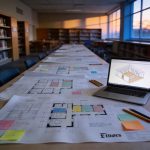
- A visual scan records the existing condition of the environment. It looks at access, passive and active research work.
- Observational assessment studies analyze access, demand and use. For example, how do researchers, staff, information, and materials move through the organization?
- Workshops help the team considers the potential of research tools and environments, the sequence of library services, and the sequence of research and innovation.
- Needs assessments translates persona research into requirements.
- Start by identifying what the organization requires from its library, condition of the environment, access to innovative collections, and human-centered needs.
The Research Touch Point
Every health care library has a point of service. This is the touch point at which the research team engages with health sciences collections.
The workshop should examine the service point(s) as both a physical and communicative element. It must support staff work. It must make the first transaction legible. It must connect logically to the problem, solution and payoff. It must acknowledge that systems provide procedural and human access to knowledge resources.
Physical, Sensory, Communication, and Behavioral Design
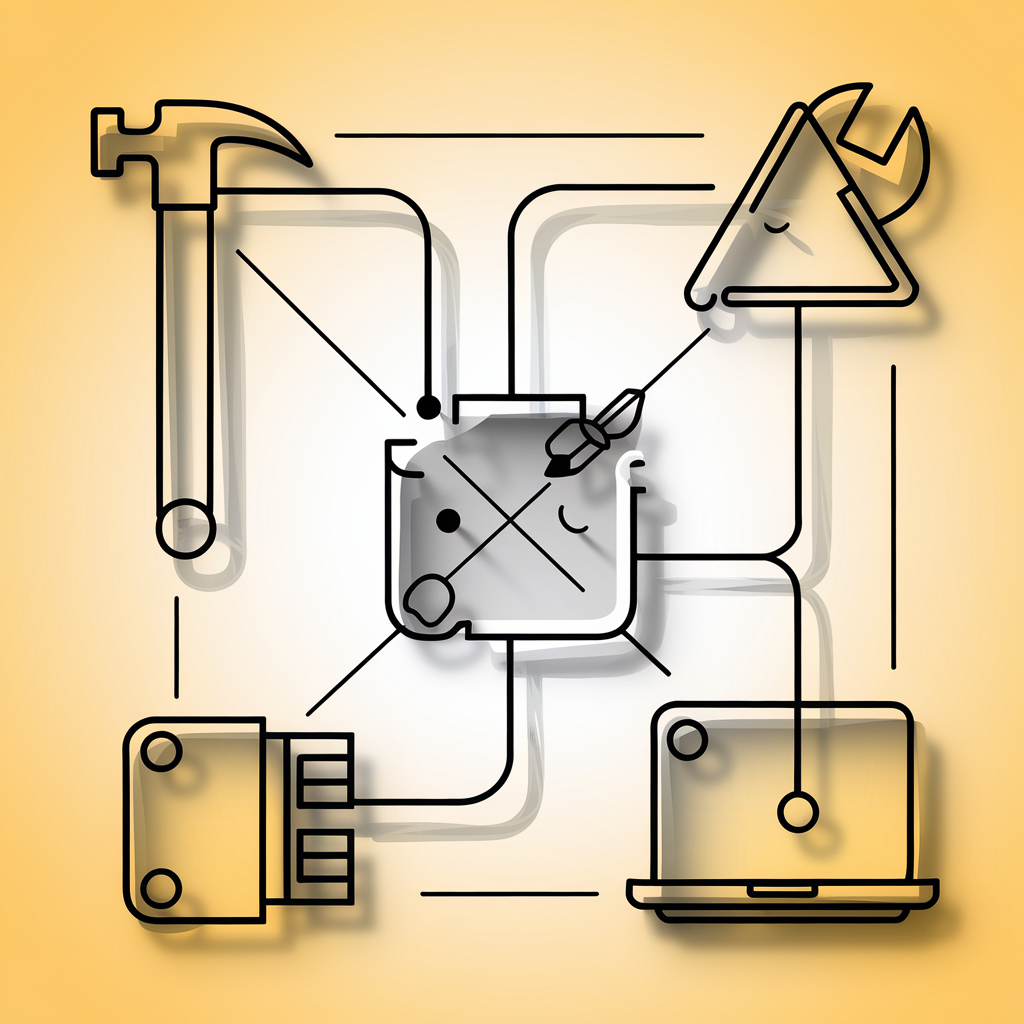
Health sciences libraries should organize design issues into five connected dimensions.
- The physical dimension concerns space: size, adjacency, enclosure, circulation, and capacity. How can the library program support the work the organization intends to do?
- The sensory dimension concerns light, sound, visual clarity, and environmental comfort. Does the library feels accessible or confusing, attentive or indifferent to researchers needs?
- The access dimension concerns information flow. How do you access health sciences databases and information exchanges? For example, communication includes the homepage screens or record management databases. It also includes physical signage, programs and exchanges.
- The human and behavioral dimension is important. It concerns how project researchers actually use the library. How do researchers seek help, what tools are available, how does your team coordinate.
- The agent dimension concerns technology. How does AI change workflows to make breakthroughs? How does organizational objectives (list of KPI’s) change in a rapidly changing tech environment.
Wayfinding as a Core Library Tool
Wayfinding (e.g. UX) is graphic layer applied to a web site or database portal. The interface is a planning responsibility. In health sciences libraries and centers, wayfinding begins with strategies to encourage access including tools, services, collection areas, meeting rooms, staff, and informal spaces. However, it also must form a usable sequence and igital reference point. Digital service workflows can reinforce that sequence.
- A workshop focusing on library wayfinding and digital design as part of pre-design.
- It examines the hierarchy of destinations, the visibility of information, the touch points, and the relationship between researchers.
- Staff-only areas, management tools, user management for access and just-in-time research tools.
Evidence-Based Design and the Project Brief
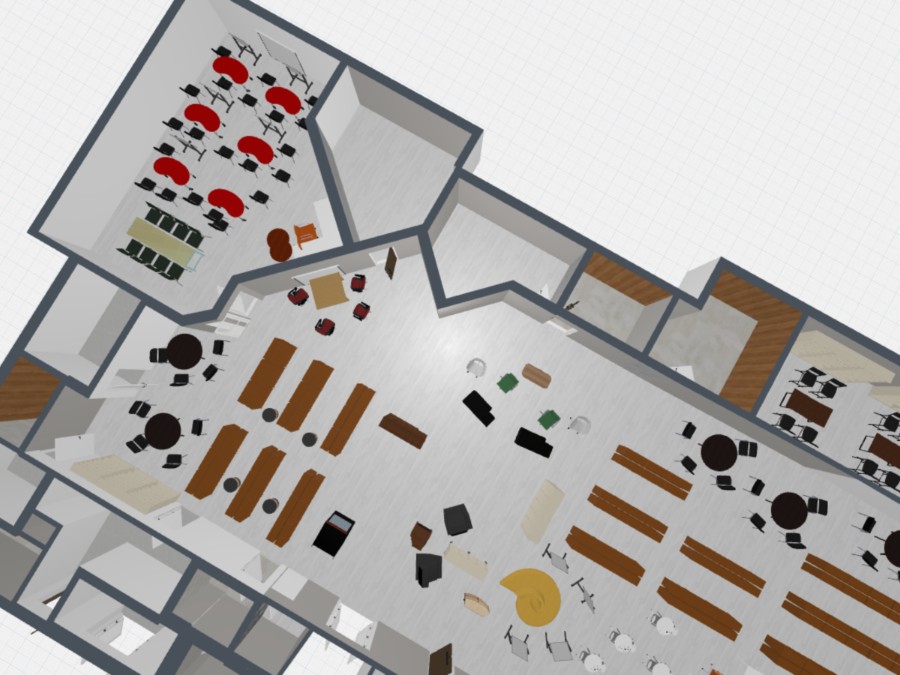
The outcome of the library consultant works usually includes a project brief or library program. This is where insight becomes direction.
- The brief can include service requirements, information touch point, staff support areas, meeting room use, research spaces, staff preparation areas, collections and records, operations and service areas.
- The brief helps identify and establish evidence-based design criteria and design guidelines that can inform the library modernization work.
Evidence-based design is essential because health sciences libraries must do more than look coherent. They must support better operational and researcher outcomes. The work should identify relevant criteria and translate them into practical guidance. The brief defines the library’s architecture and access services.
Rapid Prototyping
One of the most useful tools in the workshop is rapid prototyping. It can help make breakthroughs.
- During our workshops, we test a concept(s) before committing to it.
- It can mock up a services and what we call the strategic service priorities.
- Rapid prototyping makes library service design tangible. It brings staff experience into the process early. It exposes weaknesses before they become expensive. It allows the organization to test assumptions against use.
Museums and Prototyping
Museums and libraries have long understood that space, service, information, and experience are inseparable. The development of digital gallery, special collections, or public meeting areas succeeds only when its physical arrangement supports the curators vision.
- Health sciences libraries offer a particularly relevant example.
- They sit at the intersection of specialized knowledge, information systems, research support, and institutional operations.
- They show how knowledge can support complex organizations by aligning people, tools, information, and space.
From Workshop to Decision
A healthcare and wellness workshop is valuable because it creates disciplined preparation. It gathers data. It observes use. It assesses needs. It defines touch points. It studies mobility, sensory experience, communication, and behavior. It establishes space requirements and evidence-based design criteria. It tests ideas through rapid prototyping.
The result is a better conversation before design begins.
Community health care centers and outpatient clinics do not need more abstract aspiration. They need a practical method for aligning healthcare delivery, patient experience, operations, information exchange, and space. The workshop provides that method. It turns pre-design from a preliminary step into an act of organizational clarity.