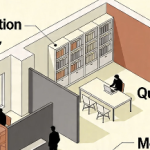
The Seven Outcomes of Library Placemaking for Literacy
The Seven Outcomes of Library Placemaking for Literacy is defined by the institutions commitment to function as a literacy gathering place. Where learning is woven into the community life and spaces enhance productivity. Modernizing libraries is opportunity to do placemaking, supporting literacy in its spaces. Indeed, libraries are a community anchor not just information place. The library building is part of the communities vitality. Our placemaking methodology produces seven distinct outcomes that strengthen literacy at both public and academic libraries:
- Community Identity and Continuity. When libraries create space for cultural programs, exhibitions, local history displays, and heritage programming, they establish learning opportunities. Genealogical centers, settlement record archives, and map collections should be encouraged to be used. The library that regularly features programs on community history does not merely preserve local knowledge; it validates learning in the community that might otherwise be marginalized.
- Bridge-Building Across Demographic Divides. Library Placemaking draws diverse populations into shared space. The library programs that attracts women, elderly residents, children, and multiple ethnic communities creates the conditions for intergenerational literacy exchange. Indeed, the community needs access to their history. Here, immigrant families that practice English are community participants can also learn about where they live. We need to make sure that our elderly residents aren’t isolated or discarded and programs that share local history encourage older folks to share. These programs provide real outcomes, even when they do not appear on financial assessments.
- Youth Engagement and Adolescent Literacy. Youth are often underserved by traditional library literacy programs because adolescents do not seek out adult-designed interventions. When a library activates outdoor space for programs, performances, gaming tournaments, or art exhibitions, it creates opportunities where youth accumulate literacy practices. Indeed, this is a critical reading opportunity. Basically, collaborative events bring new voluntary participations. Gaming tournaments can be part of your strategic thinking in this setting. Art festivals enable you to reach out and build partnerships; the intention is to allow people to use their brains; articulate and critique their experiences. These are library literacy practices masked as leisure.
- Healthy Communities and Sustained Engagement. Research confirms that communities with strong social interaction are healthier and more resilient. For library literacy initiatives specifically, this means that libraries with genuinely social spaces sustain patron engagement across the community. For example, a local resident who encounters the library as a gathering place and not merely as a collection of books can develop a sustained relationship with library literacy resources. The library becomes a destination, not a service location.
- Economic Development and Literacy. Libraries that operate as genuine community gathering places establish the networks through which job training is more effective. When a library hosts small business forums and partnership activities, when it offers reading rooms to accommodate professionals, when it allows food it creates informal mentoring spaces, it activates what economists call “human capital formation.” Library Literacy outcomes enhance not only job readiness but also the social skills that support economic mobility.
- Sustainability and Equitable Access. Library placemaking increases literacy access. For example, when a library space is designed as an attractive destination, patrons increase their frequency of visits. When reading rooms, food allowable seating, and programming encourage longer stays, literacy engagement deepens and the libraries value is increased. Space planning and environmental designs that supports easy access directly increases the utilization of shared resources.
- Modernization, Revitalization and Confidence in the Library as a Shared Institution. The most consequential library literacy outcome may be the least obvious: when libraries function as anchors of neighborhood revitalization, they restore public confidence in our communities. For example, communities that see their libraries as modern spaces breed healthy activities. They develop a renewed sense that public institutions exist to serve their interests. This confidence translates into sustained engagement with literacy programming, increased library membership, and greater willingness to advocate for public services.

Placemaking and Literacy
Libraries have long served as repositories of information. Today, the most effective ones function as something far more consequential: shared modern spaces that strengthen the literacy infrastructure of their communities. This distinction matters. When libraries commit to modernization efforts the design enables activation of the public space. This fosters social connection and shared experiences. When libraries create the conditions for literacy, our communities flourish not as an isolated place, but as a space that enhances community life.
The relationship between modernizing the library as place and literacy is neither accidental nor metaphorical. It is the future. Modernization libraries produces measurable outcomes precisely because it reframes literacy as a priority. Indeed, our research shows that new libraries drive new ideas, new information delivered to individuals and opportunities to enhance the community. When a library becomes a modern public gathering place, literacy outcomes multiply.