
Reimagine Your Library. Empower Your Community.
For centuries, the library has stood as a cornerstone of academic life, evolving from a repository of knowledge to a dynamic hub for learning, collaboration, and innovation. Today’s academic library is not merely a collection of books; it’s an adaptable “stage” – a carefully designed environment that supports diverse learning styles and fosters intellectual exploration. This evolution demands strategic planning that anticipates future needs while honoring the enduring values of access, preservation, and community engagement.
To get you started, we developed an AI Library Consultant to begin your work. Try it out
Contact Us
The Modern Academic Library: A Multi-Faceted Stage
Today's successful library operates on several key principles:
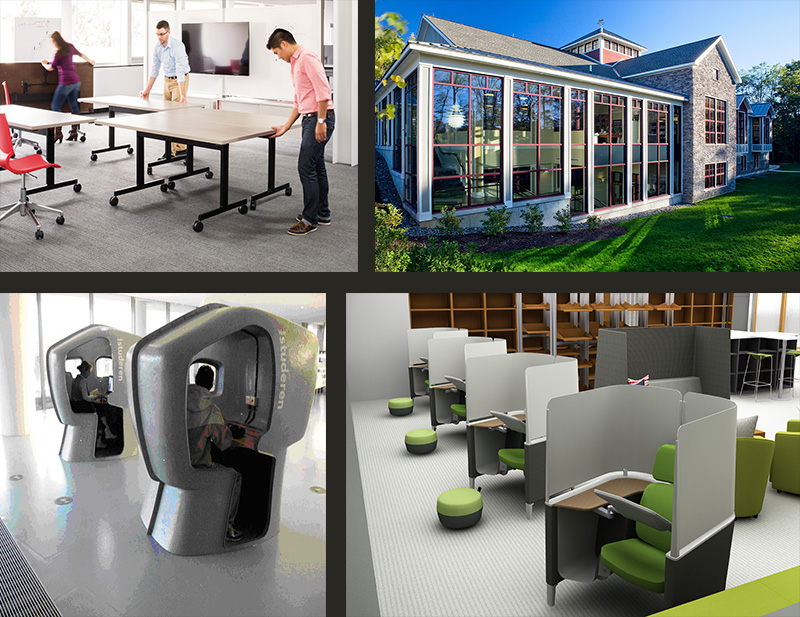
Flexibility & Adaptability: Recognizing that future needs are difficult to predict precisely is crucial. Spaces must be easily reconfigured—movable furniture is paramount—to accommodate changing technologies and pedagogical approaches.
User-Centric Design: Understanding student and faculty needs through surveys, focus groups (Fetterman, 2010), data analytics on space usage patterns informs design decisions.
Technology Integration: Seamlessly integrating technology into every aspect—accessing e-resources via robust Wi-Fi networks; providing VR/AR stations for immersive learning; offering digital literacy training workshops.
Collaboration & Community: Creating spaces conducive for group work– study rooms equipped with whiteboards/screens; collaborative project areas fostering peer learning.
Quiet Contemplation: Recognizing not all learning happens best in groups or with technology - designated quiet zones are essential for focused individual study.(Arnheim, 1969)
Our library consulting approach represents a paradigm shift in library design, drawing from decades of strategic planning and technological evolution. The most significant advancements include:
Library Science Professionals
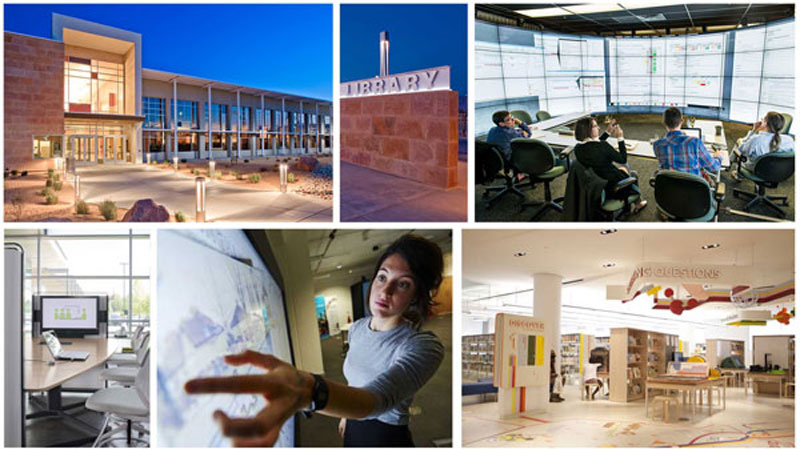
Traditionally collection decisions relied intuition and anecdotal evidence. Now sophisticated tools help us analyze circulation patterns, visitor usage, collection statistics, interlibrary loan requests, holdings, database search queries, and customer interactions.
We can help you identify the gaps in service. We can help you look for strengths in the research collections. We can do predictive analytics forecast on the capcity to hold library collections. This will help you gage future demands.
Our approach enables proactive master planning that ensures the library collection is relevant and that you maximize resource allocation. Furthermore, our library service planning analysis includes social media use, monitoring of programming efforts and marketing efforts. These services help us reveal emerging trends user preferences informing the library service planning that leads to improvements in the building.