Cost Savings and Resource Optimization
Today's libraries face unprecedented challenges in managing their physical spaces effectively. As community hubs evolve beyond traditional book repositories into multifunctional learning centers, makerspaces, and collaborative environments, the complexity of space management has increased exponentially.
Modern libraries must accommodate diverse patron needs—from quiet individual study areas to bustling group collaboration zones, from technology centers to community event spaces. This transformation has created significant challenges: How do you maximize limited square footage? How can you ensure spaces are used efficiently? How do you balance competing demands for the same areas?
The evolution from traditional library layouts to dynamic, flexible spaces requires sophisticated management approaches. Without proper systems in place, libraries struggle with underutilized rooms, scheduling conflicts, patron frustration, and missed opportunities to serve their communities effectively.
Effective space management directly impacts patron satisfaction, operational efficiency, and your library's ability to fulfill its mission. When patrons can easily find, reserve, and access the spaces they need, engagement increases. When staff can efficiently manage bookings, monitor usage, and make data-informed decisions, operations improve. This is where **library space management solutions** become essential tools for modern library success.
What Are Library Space Management Solutions?
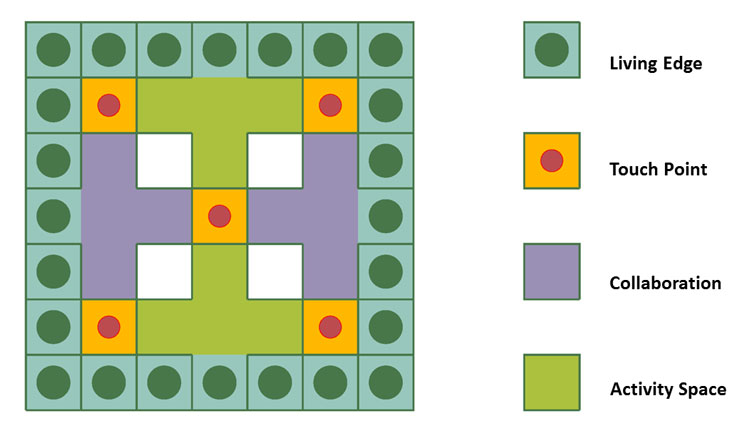
Library space management solutions are integrated systems and strategies designed to optimize how libraries organize, allocate, and utilize their physical spaces. These solutions combine technology, processes, and data analytics to create more efficient, patron-friendly environments.
Data-driven insights reveal exactly how spaces are being used—or underutilized. You'll discover that certain study rooms sit empty during peak hours while others are constantly booked, or that specific areas attract traffic at predictable times. This intelligence enables strategic layout redesigns and resource reallocation.
Community and Leadership Development
Reducing wasted space becomes possible when you understand actual usage patterns versus assumptions. Libraries often maintain spaces based on tradition rather than current needs. Analytics reveal opportunities to repurpose underutilized areas, convert static spaces into flexible zones, or adjust room sizes to match actual demand.