
Transforming Libraries
Through Architectural Innovation
Start a Conversation
The Crossroads
A Fundamental Reimagining
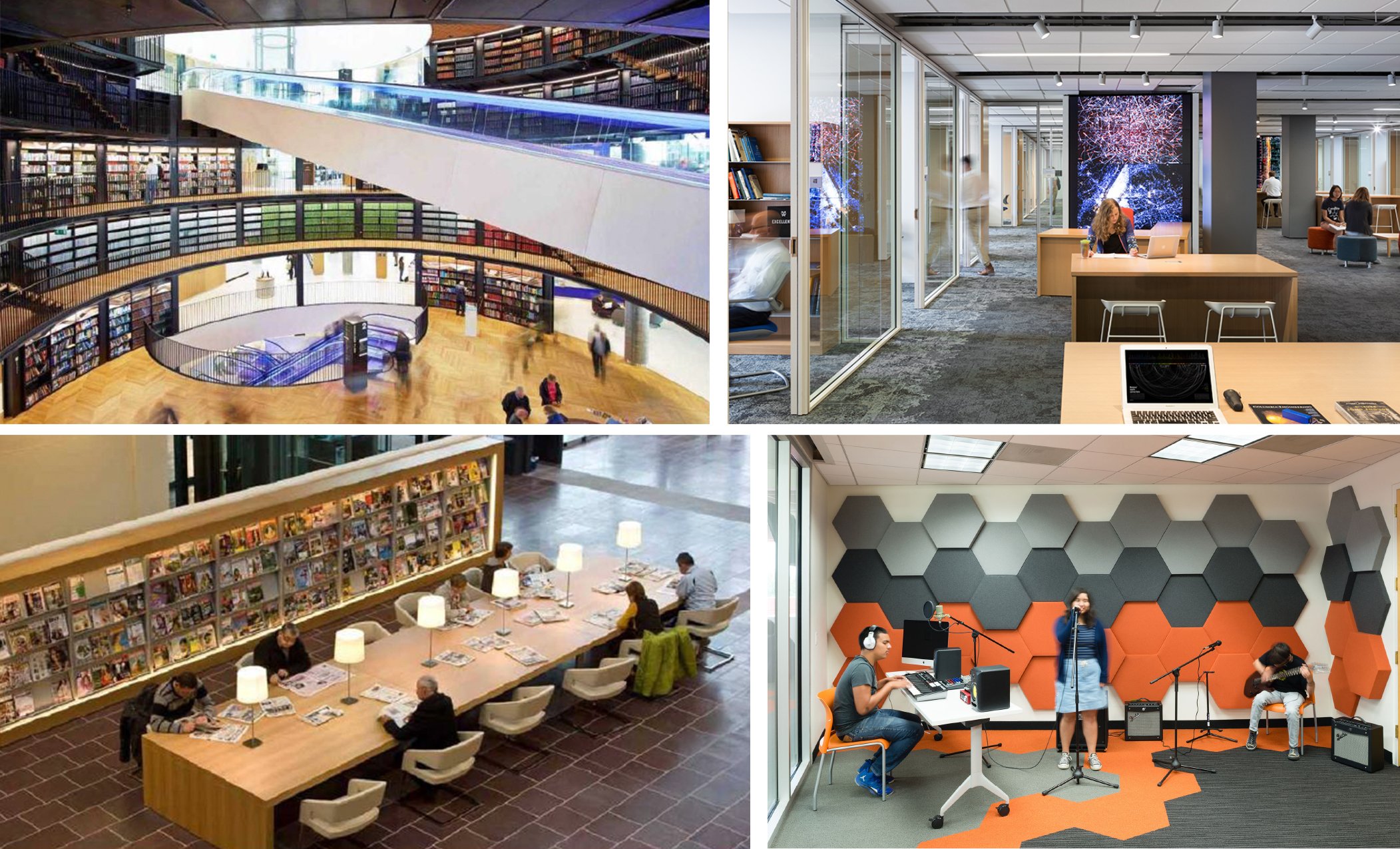
The academic library stands at a crossroads. We're witnessing a fundamental reimagining of what these spaces mean—not just as repositories of knowledge, but as dynamic catalysts for intellectual exchange and discovery. The traditional model, with its rigid stacks and hushed reading rooms, no longer serves the collaborative, technology-integrated learning environments that define contemporary education.
I've spent decades challenging architectural conventions, pushing materials and forms to their limits. What I've learned is this: great architecture doesn't just house function—it amplifies it, transforms it, creates possibilities that didn't exist before. Academic libraries demand this same radical thinking. They require architects who understand that every surface, every volume, every play of light carries pedagogical potential.
Core Capabilities
What We Bring to Every Project
The relationship between architect and consultant isn't hierarchical—it's symphonic. Each brings distinct expertise to create spaces that genuinely transform how students learn, faculty teach, and communities engage with knowledge. These are the capabilities that define our practice and set the standard for library consulting services in higher education.
Bridging architectural vision and educational reality by translating institutional goals into spatial requirements that architects can build from.
Assessing how users actually move through, occupy, and depend on library space—then designing around those real behaviors rather than assumptions.
Embedding emerging technologies into the physical fabric of the library so that digital and physical collections reinforce rather than compete with each other. See our work in digital transformation.
Facilitating the conversations between faculty, students, administrators, and architects that turn competing priorities into a coherent, fundable program.
The Consultant's Role
Where Vision Meets Educational Reality
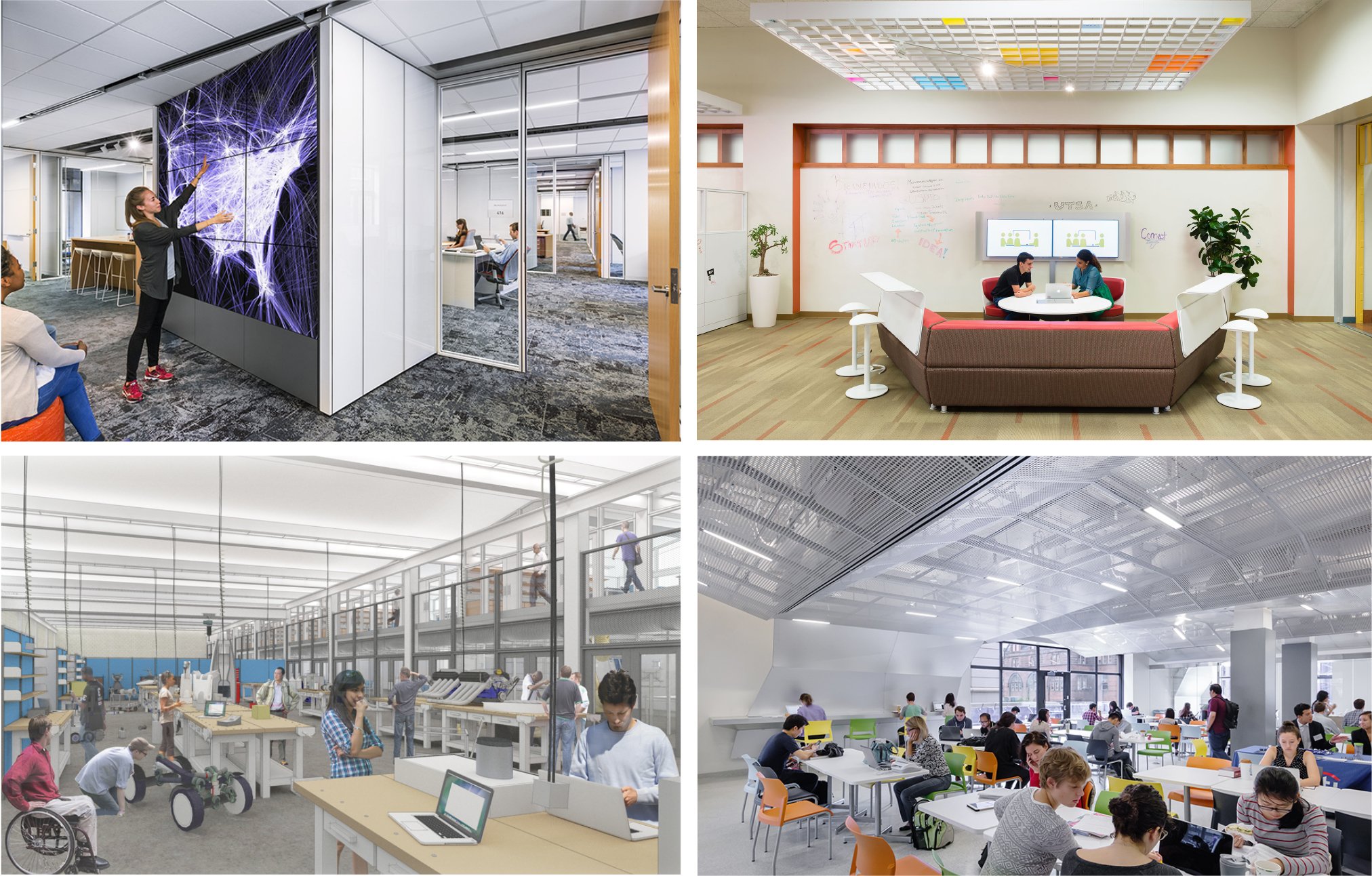
This is precisely where the academic library consultant becomes indispensable. These specialists bridge the chasm between architectural vision and educational reality. They understand user behavior patterns, emerging technologies, and institutional workflows in ways that even the most talented architect cannot fully grasp without deep immersion in academic culture.
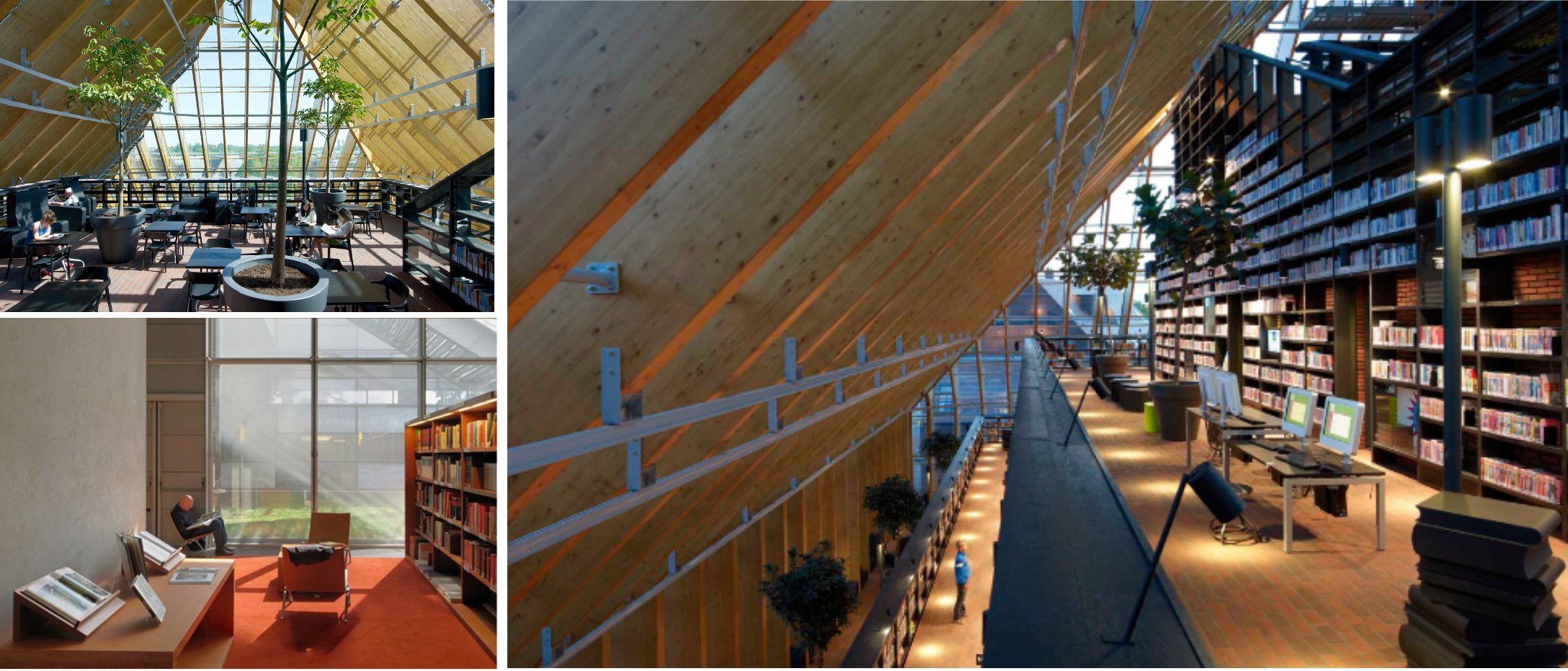
The stakes couldn't be higher. A poorly conceived library wastes institutional resources and, more critically, squanders opportunities for intellectual growth. Conversely, an innovative library becomes the intellectual heart of campus—a space that attracts prospective students, energizes faculty research, and signals institutional commitment to educational excellence.
Our strategic planning process ensures that every design decision is grounded in a clear understanding of how the institution will use the space over the next twenty to thirty years—not just at opening day.
Design in Practice
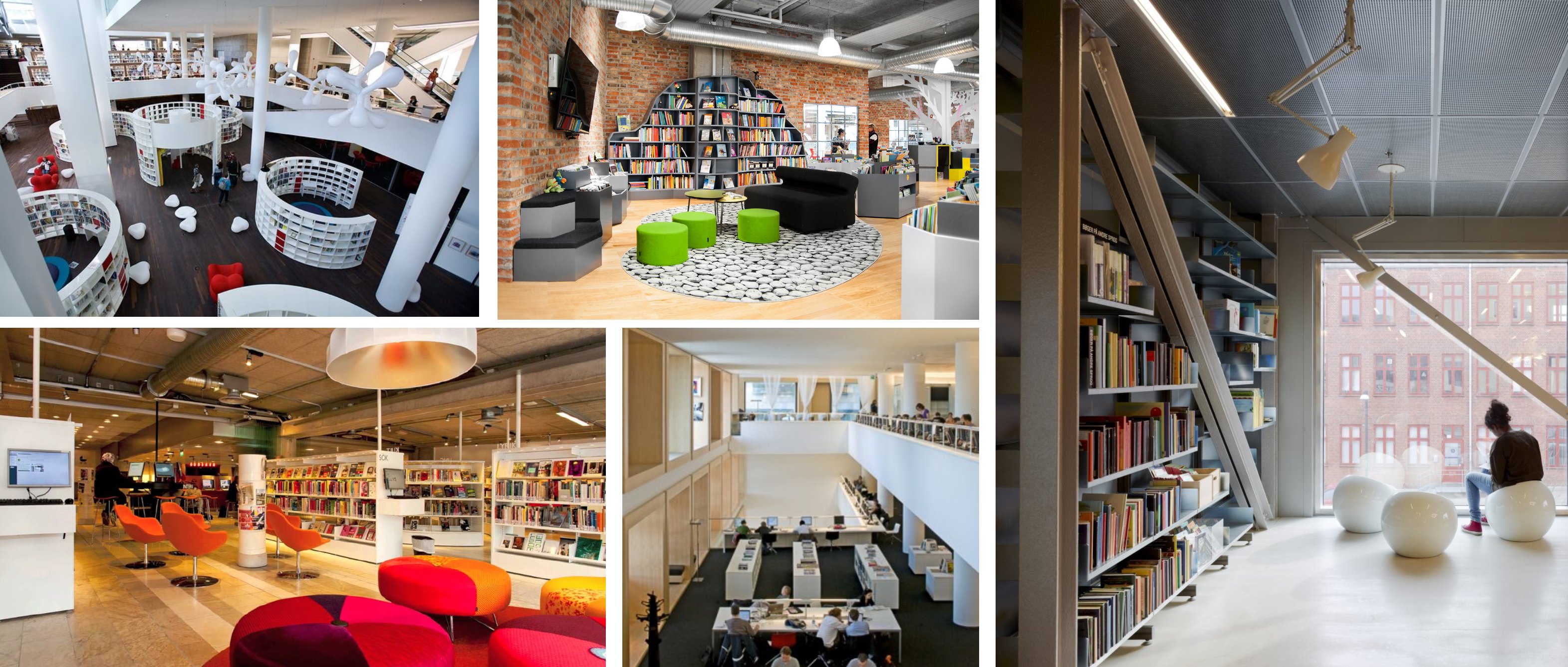
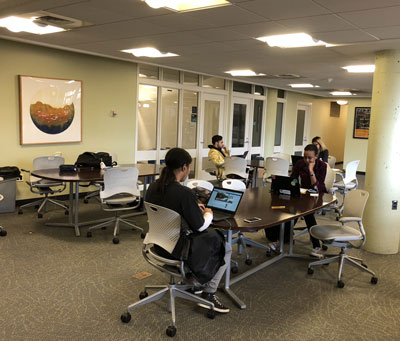
Design Dimensions
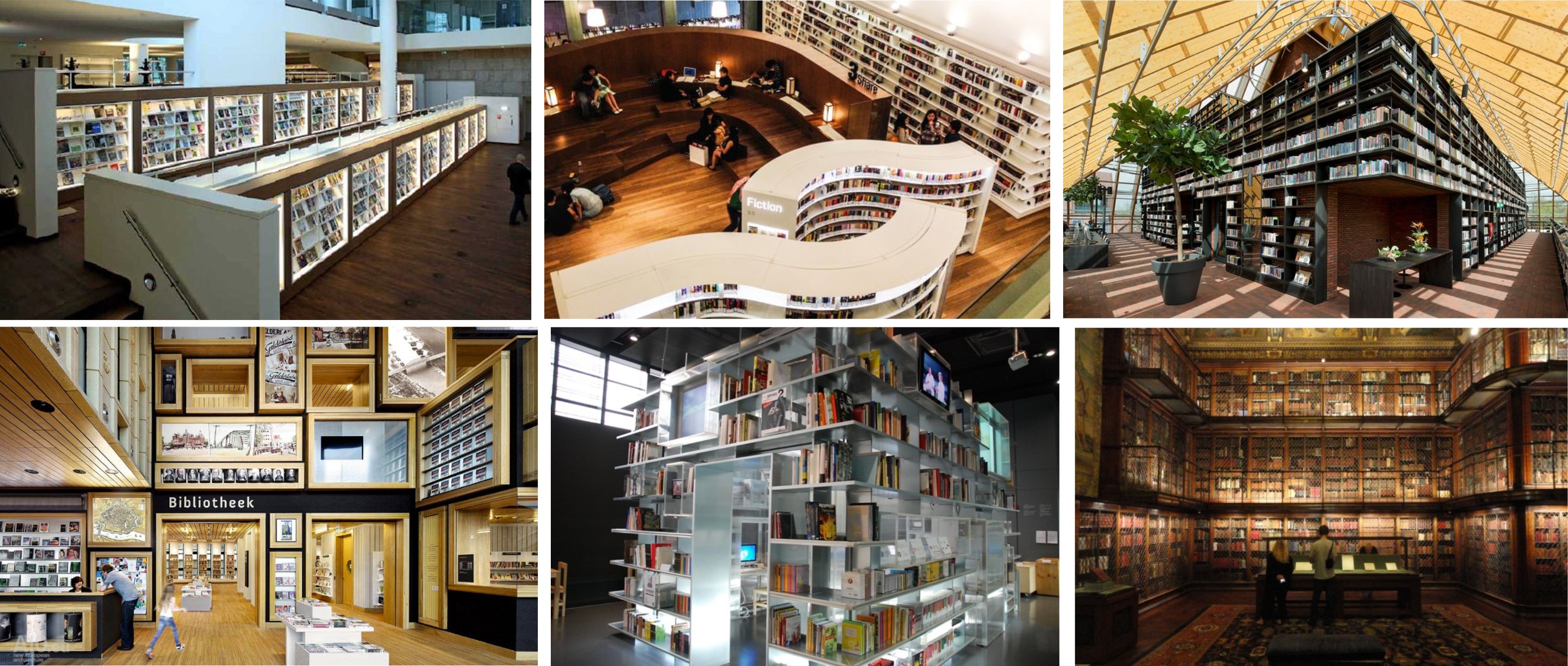
Every Surface Carries Pedagogical Potential
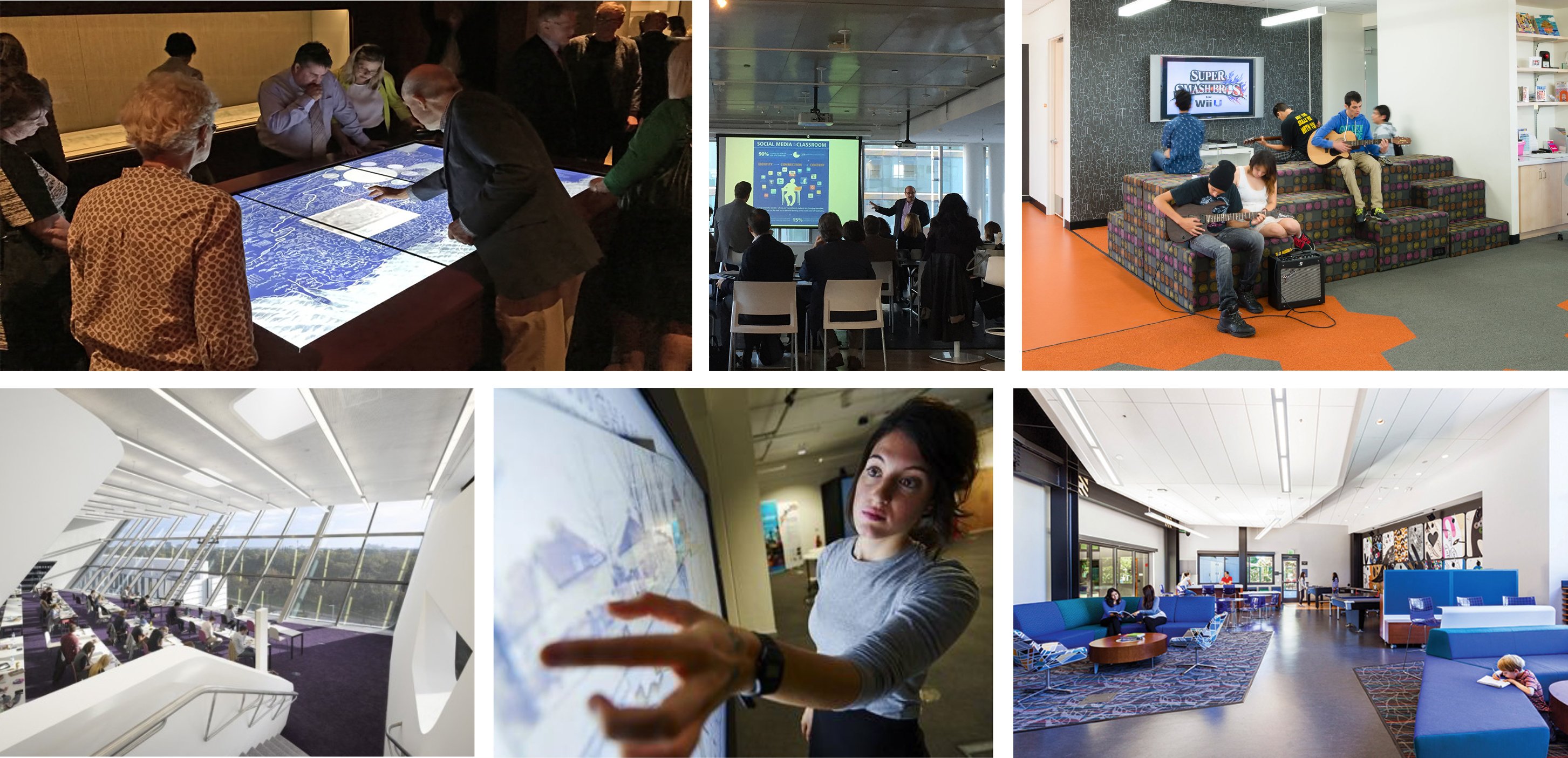
Modern academic library design is not a single discipline—it is the intersection of several. The twelve critical dimensions of modern academic library space span everything from acoustic zoning and lighting strategy to collection adjacency and wayfinding. Each dimension shapes how effectively the space supports learning.
Flexible infrastructure is the foundation. Spaces that can be reconfigured as pedagogical needs shift—from individual research to large-group instruction to maker activities—deliver far greater long-term value than fixed-purpose rooms. This is why our space and service planning process begins with a rigorous analysis of how the institution actually teaches and learns today, and where it intends to go.
Sustainability is not an add-on. Daylighting strategies, material selection, and energy systems are integrated from the earliest programming stages, not retrofitted at the end of design development. Libraries built to last must be built to adapt.
Ready to transform your academic library? Explore our consultation services and discover how specialized expertise creates spaces that inspire.
Why It Matters

The Intellectual Heart of Campus
An innovative library becomes the intellectual heart of campus. It is the one building that every student, faculty member, and researcher uses—and the one building whose quality signals, more than any other, an institution's commitment to learning. When it works, it draws people in, keeps them longer, and sends them away more capable than when they arrived.
Our project portfolio spans small college libraries and major research universities, government collections and law libraries, medical libraries and special collections. Across all of them, the pattern holds: the projects that succeed are the ones where the consultant and the architect work as genuine partners from the earliest stages of programming through post-occupancy evaluation.
If your institution is planning a renovation, a new building, or a fundamental rethinking of how your library serves its community, we would welcome the conversation. Contact Aaron Cohen Associates to begin.