
Reimagine
Your Library.
Empower Your Community.
Contact Us
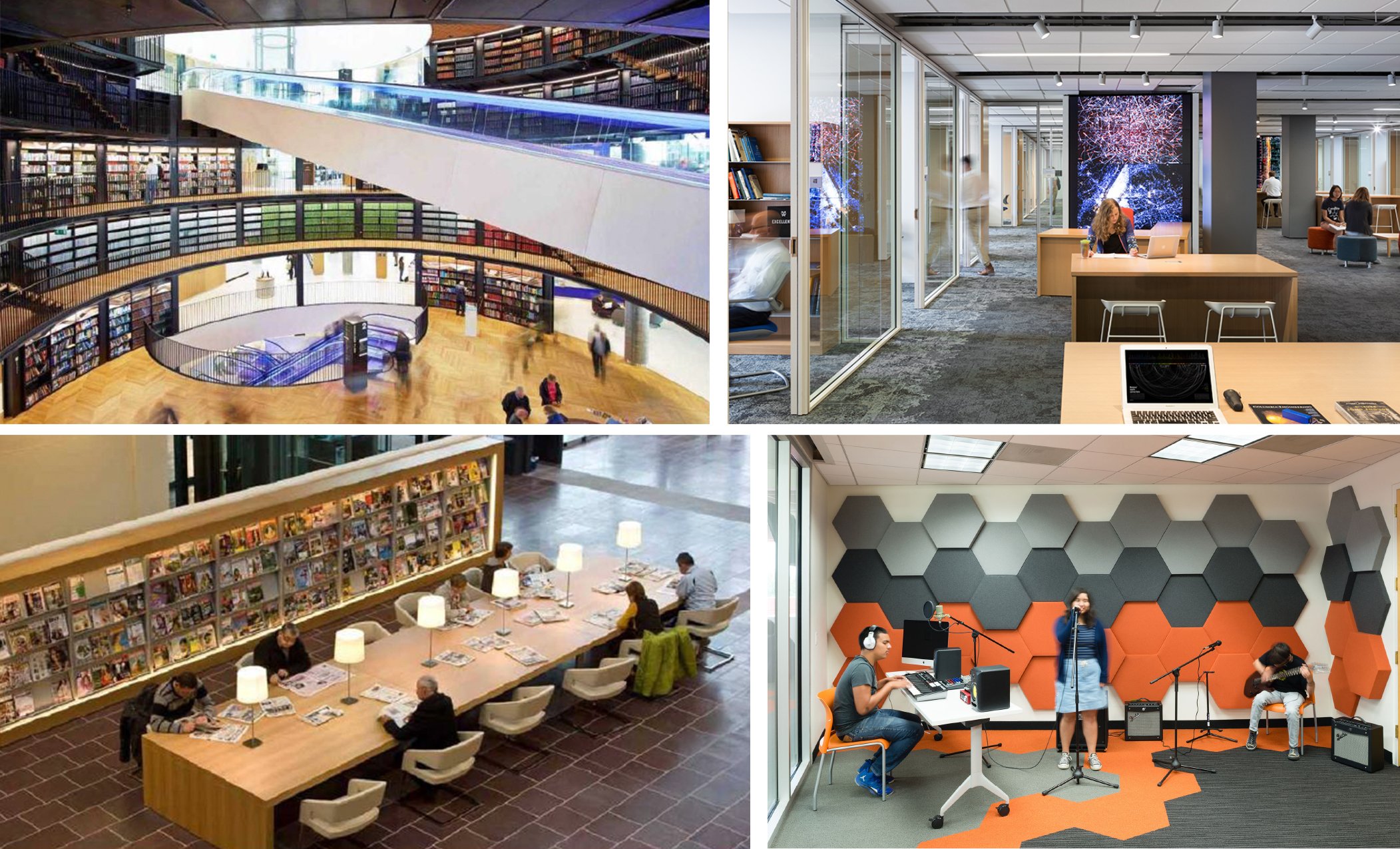
Our Approach
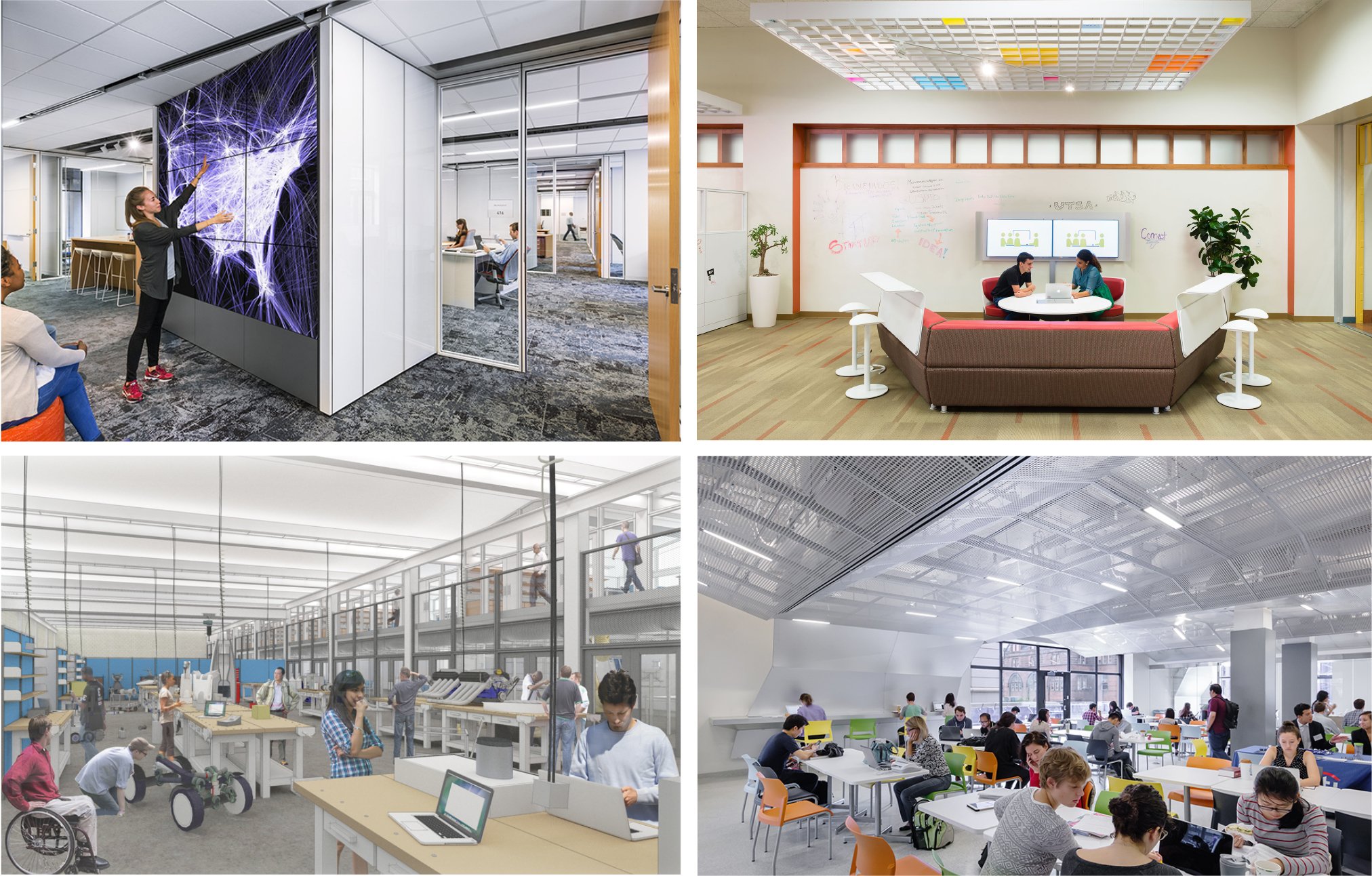
A Synthesis of Strategy, Space, and Technology
Our approach integrates strategic planning, digital asset management, architectural programming, and innovative technology solutions, ensuring each library we touch is positioned for modern knowledge management and community engagement. We don't just design spaces; we craft learning ecosystems.
We specialize in developing cost-effective solutions that align with your budgetary constraints. This includes library collection analysis to identify areas for weeding, space optimization to improve utilization, and exploring alternative funding sources. We can also help you demonstrate the value of the library to stakeholders, making a compelling case for continued investment.
"The success of a library transformation is determined by the soundness of the plan and the quality of its execution." — Adapted from Ashkenas (2024)
Core Capabilities
What We Bring to Every Engagement
Our library consulting approach represents a paradigm shift in academic library design, drawing from decades of strategic planning and technological evolution. The most significant advancements include integrated digital-physical learning ecosystems, the transition from traditional book repositories to dynamic learning environments, seamless integration of physical and virtual resources, and the development of flexible spaces supporting multiple learning modalities.
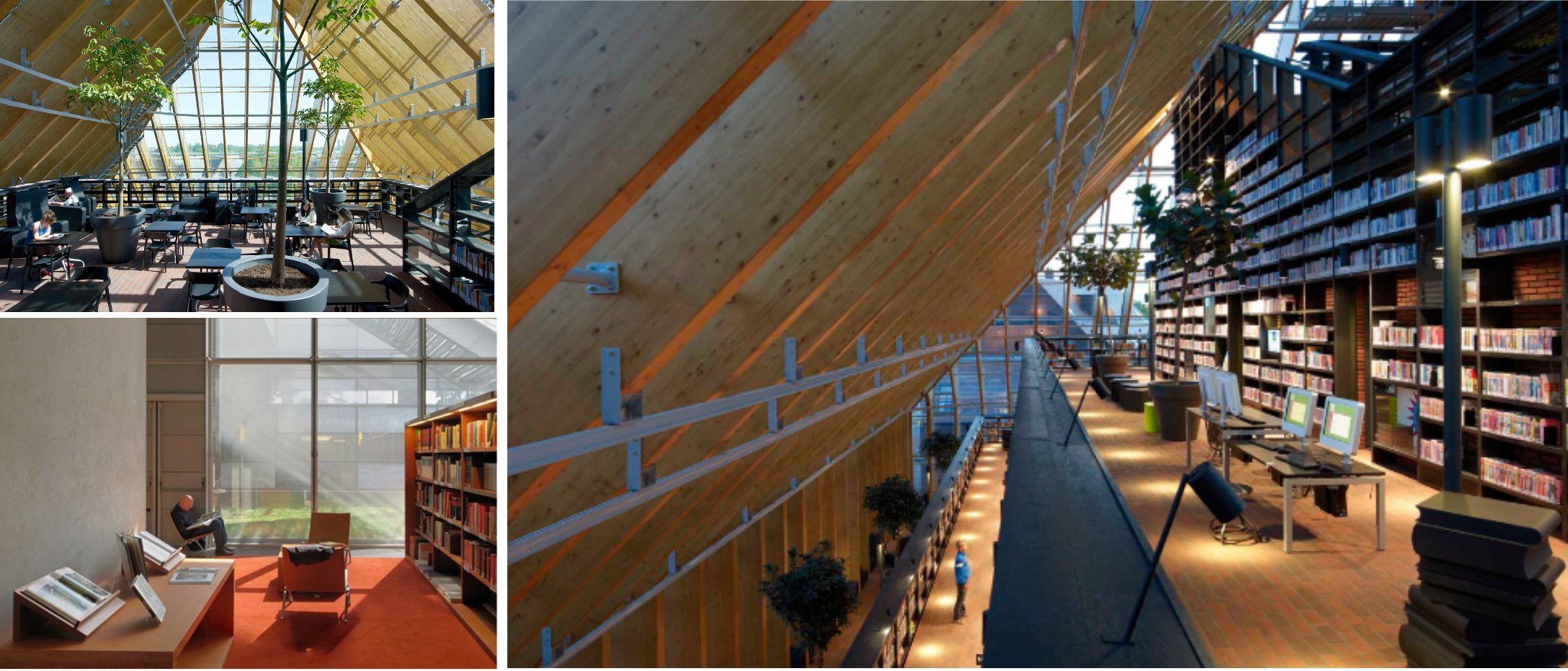
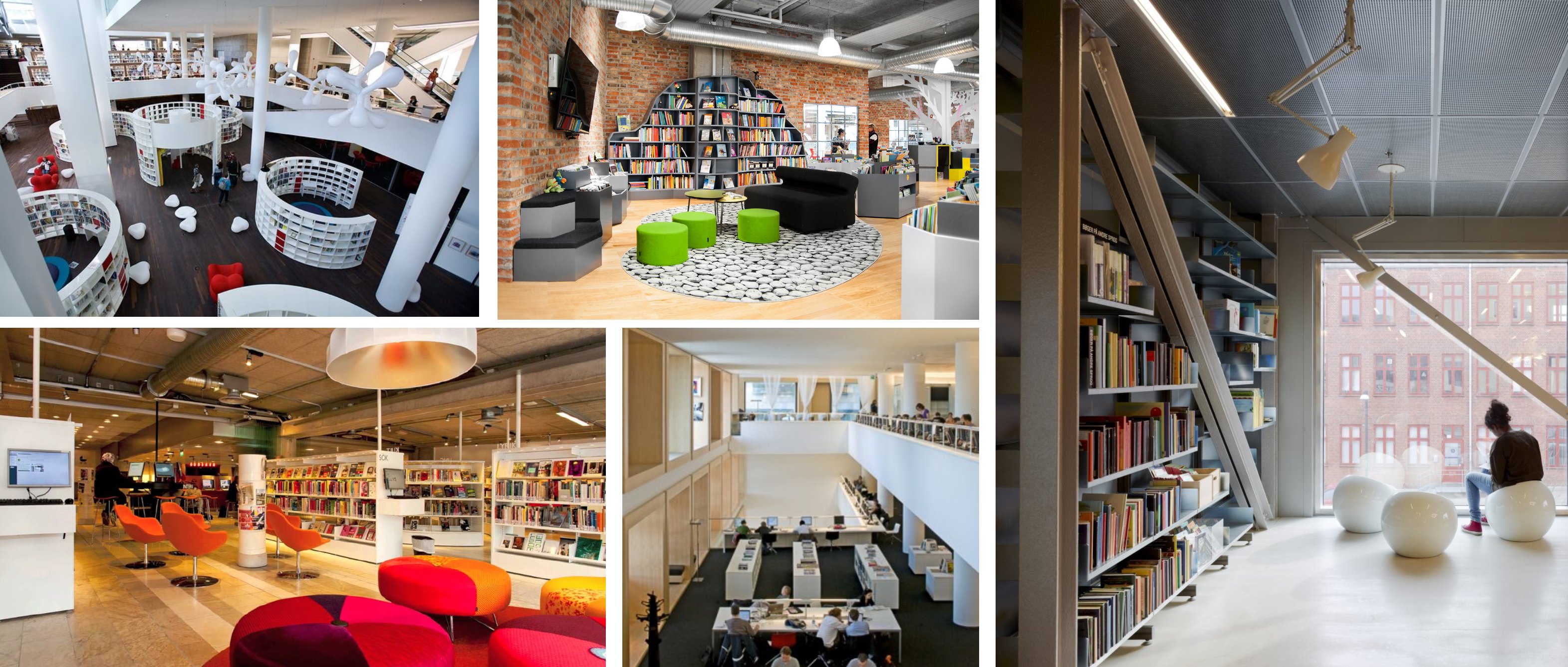
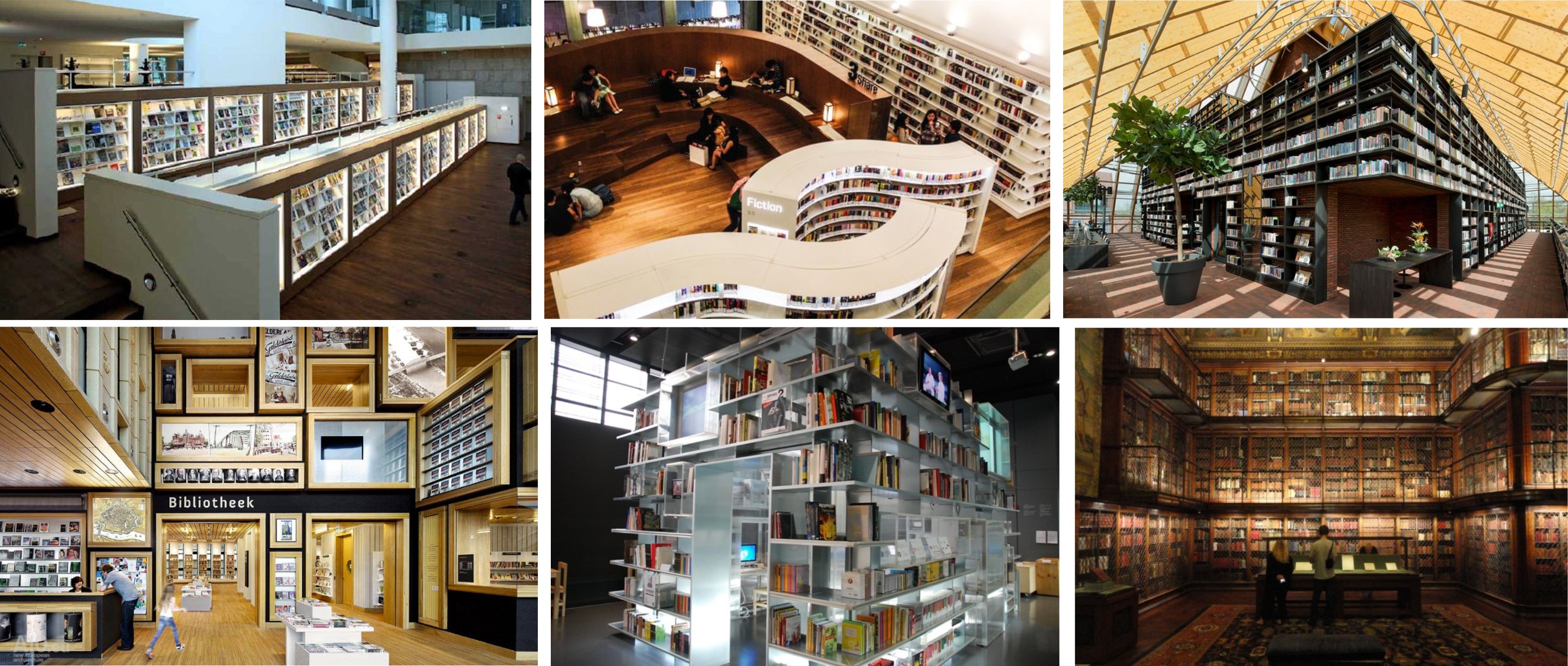
Library Spaces We've Shaped
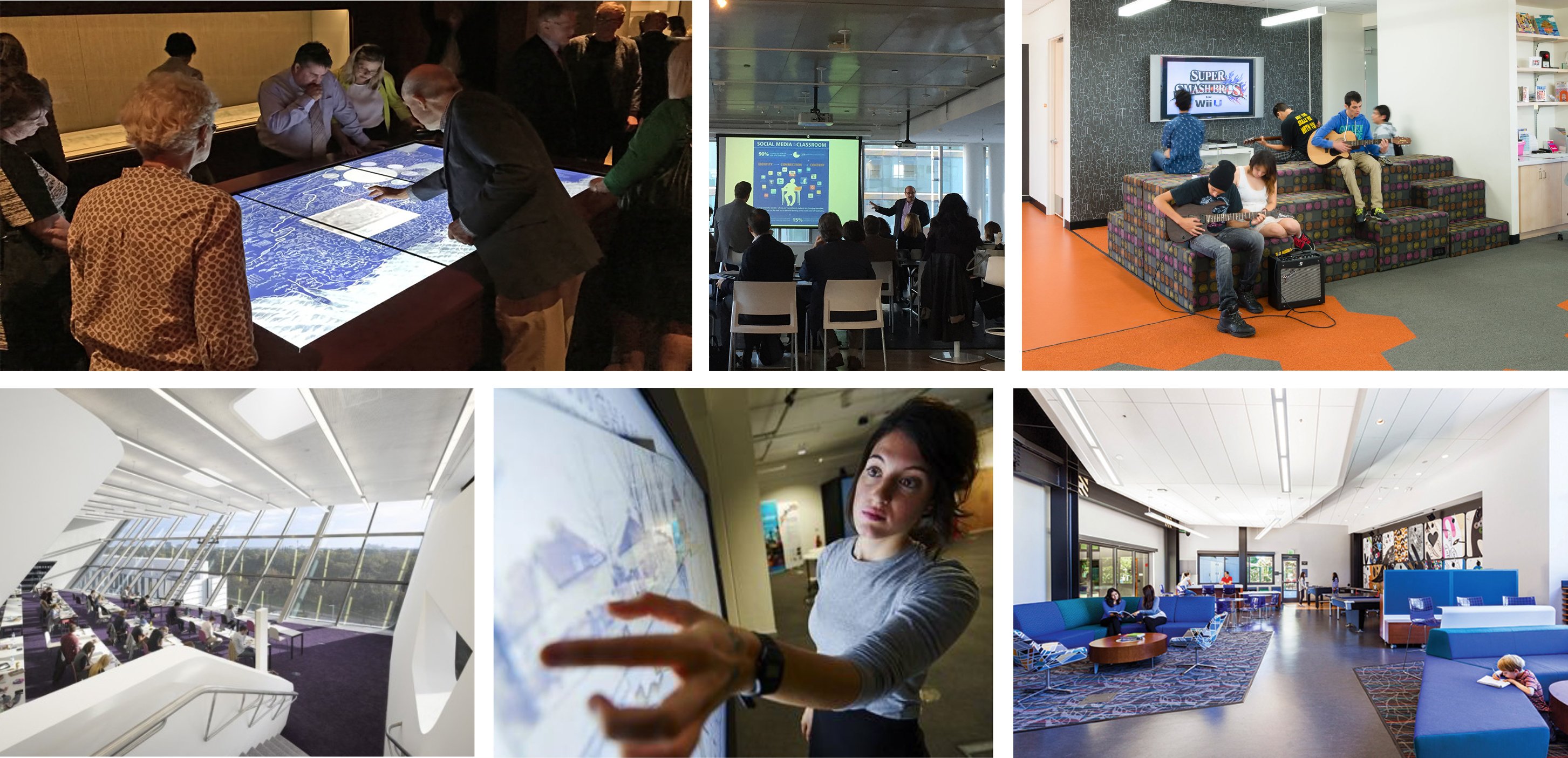
Library Science Professionals
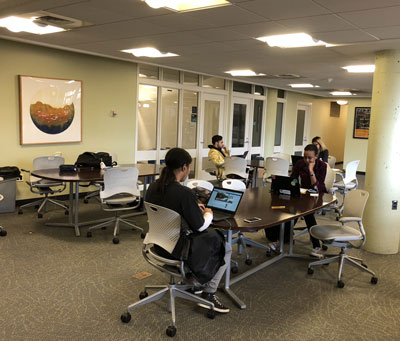
Grounded in the Literature, Applied in Practice
The works of Stueart and Moran's "Library and Information Center Management" (2012), Fraley and Anderson's "Library Space Planning Techniques" (1990), and Van House et al.'s "Output Measures for Public Libraries" collectively represent a transformative approach to library strategic planning. We agree there is a critical need for holistic, user-centered library design that transcends traditional book repository models. Stueart and Moran emphasize strategic collaboration and organizational dynamics, while Fraley and Anderson provide nuanced insights into spatial optimization, demonstrating that effective library planning requires precise measurement and flexible configuration.
Van House's research further underscores the importance of quantitative assessment, introducing methodologies for evaluating library effectiveness beyond physical infrastructure. All together, library science and knowledge management works to advocate for a comprehensive approach that integrates technological adaptation, spatial innovation, and strategic resource management. We help with this type of positioning. We help libraries become dynamic learning systems responsive to evolving academic, specialized research and community needs. We appreciate that there is a collective wisdom here; one that suggests that successful library development is not merely about physical transformation, but about creating adaptive, user-centered environments that support knowledge creation, collaboration, and institutional excellence.
Institutions We Have Served

A Record of Broad, Substantive Engagement
Learning Resource Centers, Learning Commons, Student Success Concepts and National Libraries: National Library of Greece, National Library of Ireland and NLB Singapore, DePaul, DOE, FDA, NATO, Tufts University, Robert Morris University, Teton County Library System, Buffalo and Erie County, Broward County, St. Louis County, Spokane Washington and Las Vegas Clark County, Fuller Theological Seminary, University of California, Eastern Michigan University, Long Island University and University of Illinois Chicago, University of S. Alabama, University of Texas, and House of Wisdom, MRBL Library, KAUST.
This breadth of engagement — spanning national libraries, research universities, county systems, law schools, and specialized institutions — reflects a consulting practice built on adaptability. No two libraries face the same pressures, and no two engagements follow the same script. See our full consulting portfolio for a detailed breakdown by library type, including college and university libraries, government libraries, law libraries, and public libraries.
Technology and Resource Management
Five Key Advancements in Research Library Evolution
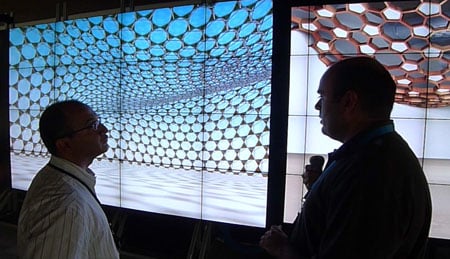
The evolution of research libraries represents a profound transformation from traditional book repositories to dynamic, technology-integrated learning ecosystems. Our digital planning consultancy recognizes this critical transition, focusing on five key advancements. The most foundational of these is the development of Integrated Learning Environments — spaces and systems that bring together physical collections, digital resources, and collaborative technology into a single, coherent user experience.

Integrated Learning Environments
Historical Development of the Modern Library
Understanding where the library has been is essential to planning where it needs to go. The trajectory of integrated learning environments follows a clear arc: in the 1990s, institutions began their initial digital resource integration, introducing electronic databases and early online catalogs alongside physical collections. The 2000s saw the emergence of the learning commons concept, repositioning the library as a hub for collaborative work rather than solitary study. The 2010s brought hybrid physical-digital space design to maturity, with institutions investing in flexible furniture, maker spaces, and embedded technology. The 2020s have accelerated into immersive technological integration — AI-assisted research tools, virtual reality study environments, and real-time data visualization.
Each of these transitions required not just capital investment but deliberate planning. The institutions that navigated them most successfully did so with a clear strategic framework and an honest assessment of their community's actual needs. That is precisely the work we do. Transform your library from a static space to a dynamic learning ecosystem. Partner with us to unlock your institution's academic potential.
The Ecosystem Approach
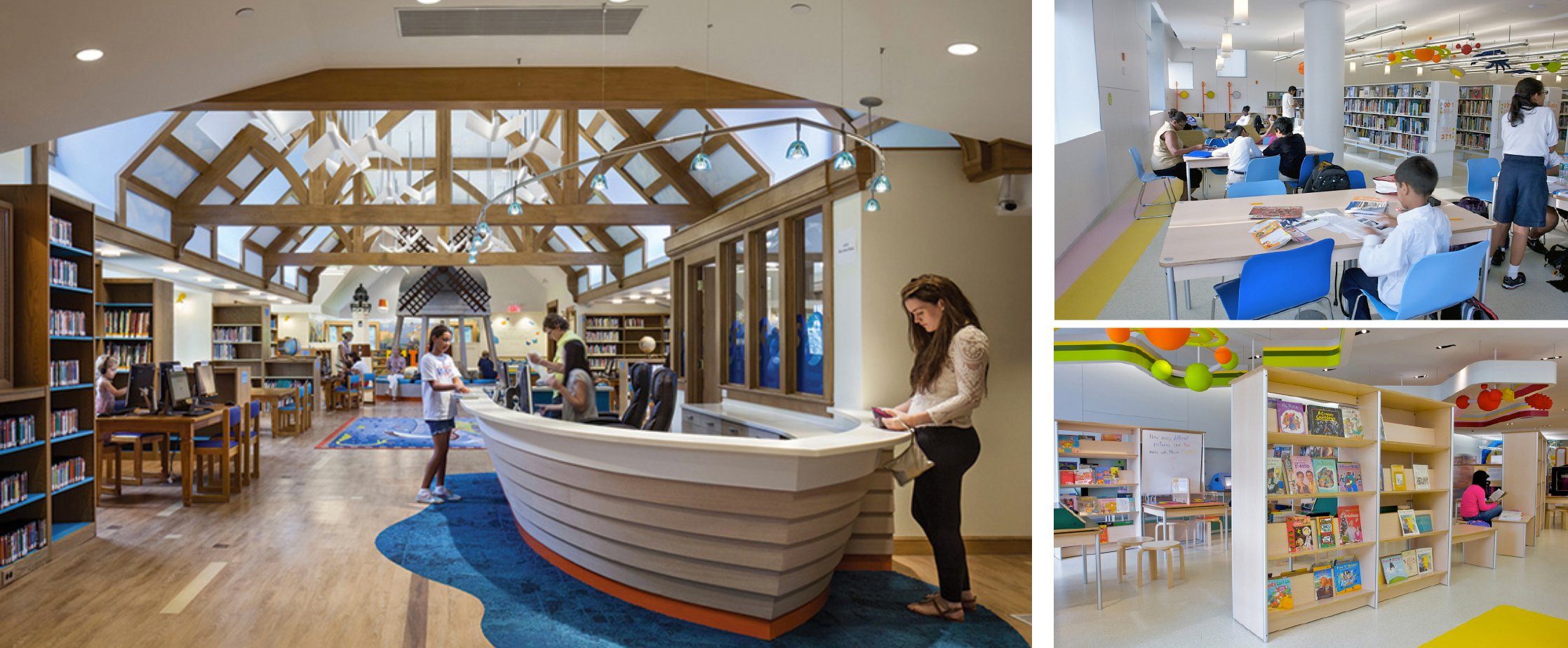
Beyond the Book Repository
The shift from a book repository to a learning ecosystem is not simply a matter of adding computers or reconfiguring shelving. It requires a fundamental rethinking of how the library serves its community — who uses it, when, for what purpose, and with what support. Our consulting process begins with that question and works outward: from user behavior and service patterns to spatial configuration, collection strategy, staffing models, and technology infrastructure.
Integrated Digital-Physical Learning Ecosystems are the result of this process done well. They are environments where a graduate student can move seamlessly from a physical archive to a digital repository to a collaborative seminar room without friction. Where a community member can access a 3D printer, a quiet reading alcove, and a reference librarian in the same visit. Where the building itself communicates the institution's commitment to knowledge and learning. Our space planning services and full consulting portfolio are built around making this kind of environment achievable within real budget and operational constraints.