
Making
Sound Decisions
for Library Space and Services
Start Here: Library Planning Fundamentals
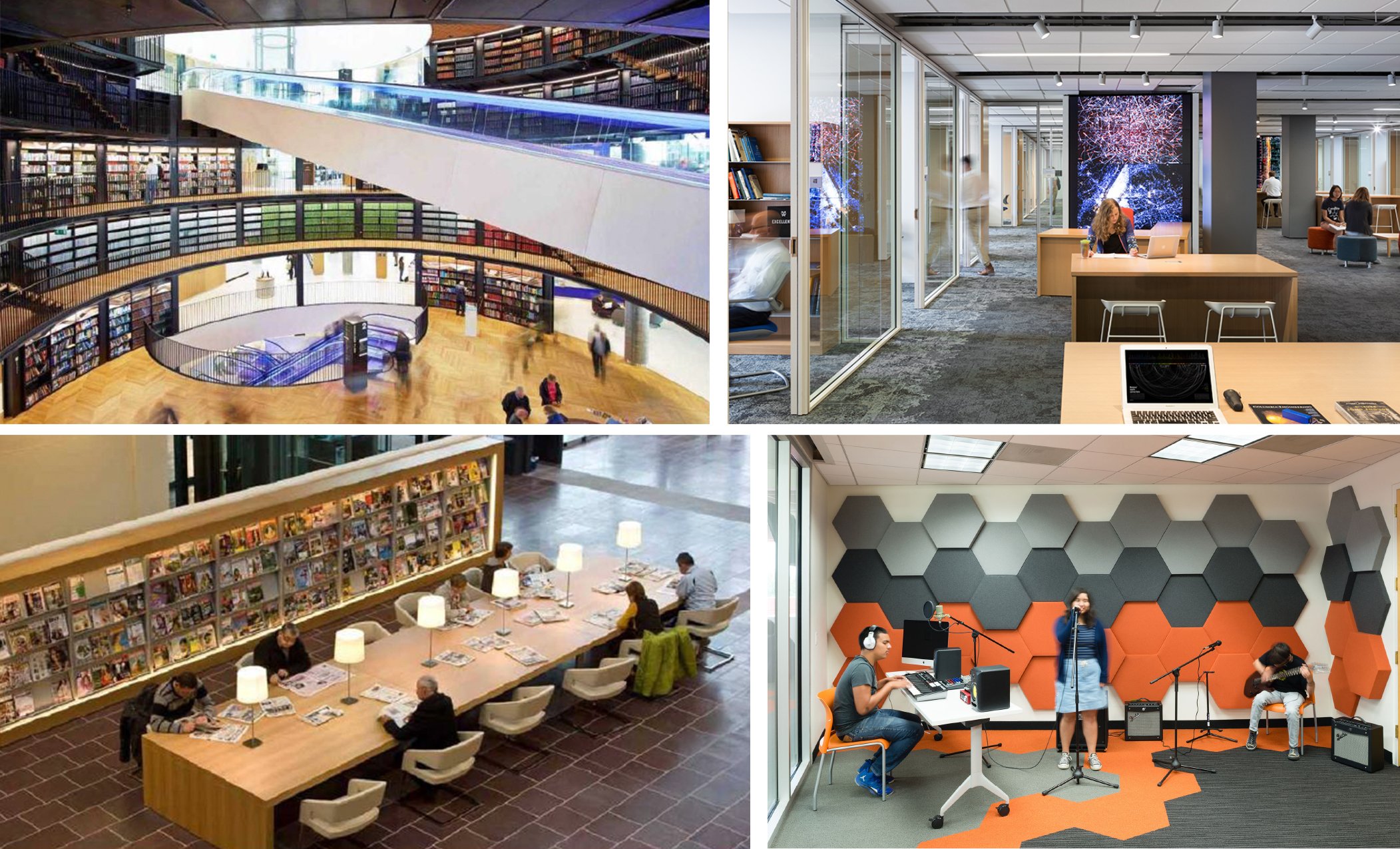
Our Purpose
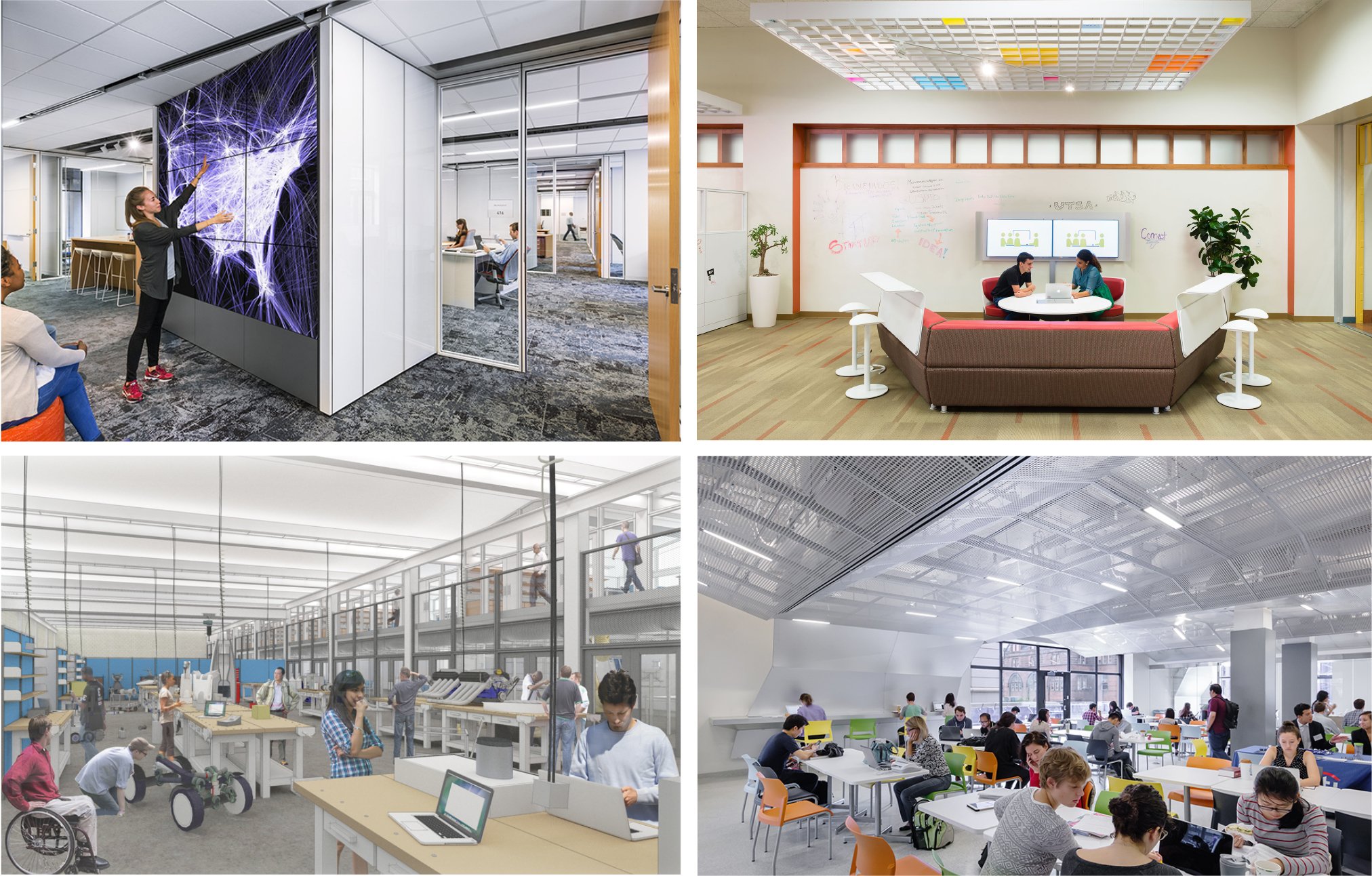
Tested Methodologies. Sound Decisions.
Library directors, deans, and trustees often face pressure to commit capital funds and sign platform contracts before operational needs are fully understood. Moving forward without an analytical evidence base risks operational bottlenecks and misallocated capital. These pages provide planning methodologies tested across fifty years of practice to help you make sound decisions before construction documents are drawn or platform contracts are signed.
This library is the working record of a consulting practice built over fifty years of library planning across academic, public, government, and specialized research environments. Every page connects a planning question that institutions actually face to a methodology that has been tested on real projects, real budgets, and real communities. The goal is not to describe what libraries could be but to give the people who fund, govern, and operate them the analytical tools to make sound decisions before construction documents are drawn or platform contracts are signed.
Library Planning FundamentalsWhy It Matters
The Stakes of Getting It Right
Capital projects and bond measures require an objective evidence base before design begins. Shifting enrollment, digital transitions, and evolving pedagogy require defensible spatial programs. Specialized research collections and archives require rigorous environmental and workflow planning to protect holdings. Every one of these challenges carries a consequence if the groundwork is skipped.
Capital projects and bond measures require an objective evidence base before design begins. Without documented usage patterns, headcount projections, and collection forecasts, budget requests cannot survive administrative or public scrutiny.
Shifting enrollment, digital transitions, and evolving pedagogy require spatial programs that can be defended in front of a provost, a board of trustees, or a municipal council. Methodology, not intuition, is what makes a program defensible.
Specialized research collections and archives require rigorous environmental and workflow planning to protect holdings. Temperature thresholds, adjacency relationships, and processing room sequencing are as consequential as any design decision.
Platform contracts signed without a service plan produce collections nobody asked for. Structured institutional dialogue produces a digital library that fits the community it serves and can be sustained over the life of the license.

Collections
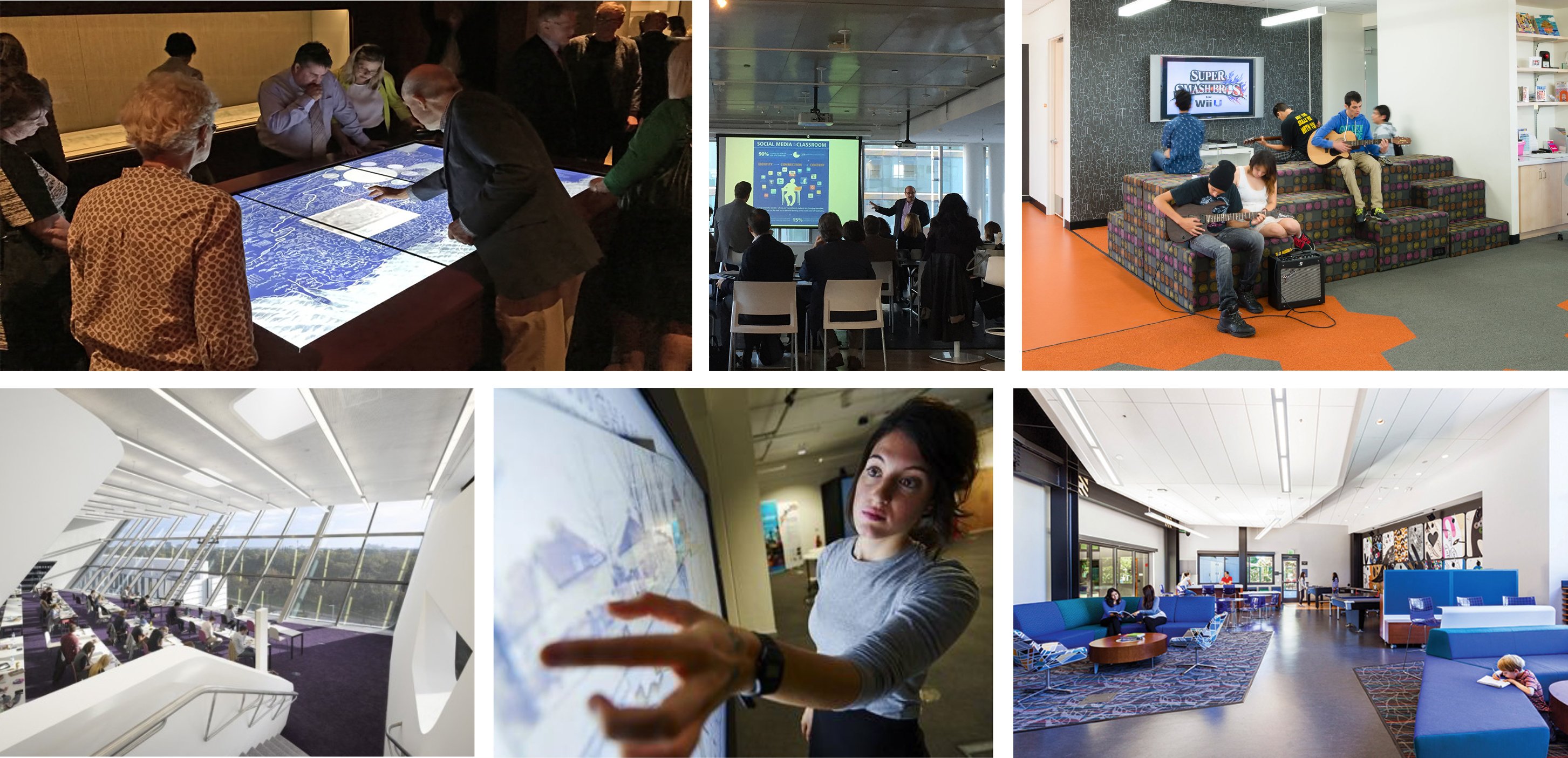

What Each Collection Covers
Six Distinct Planning Frameworks
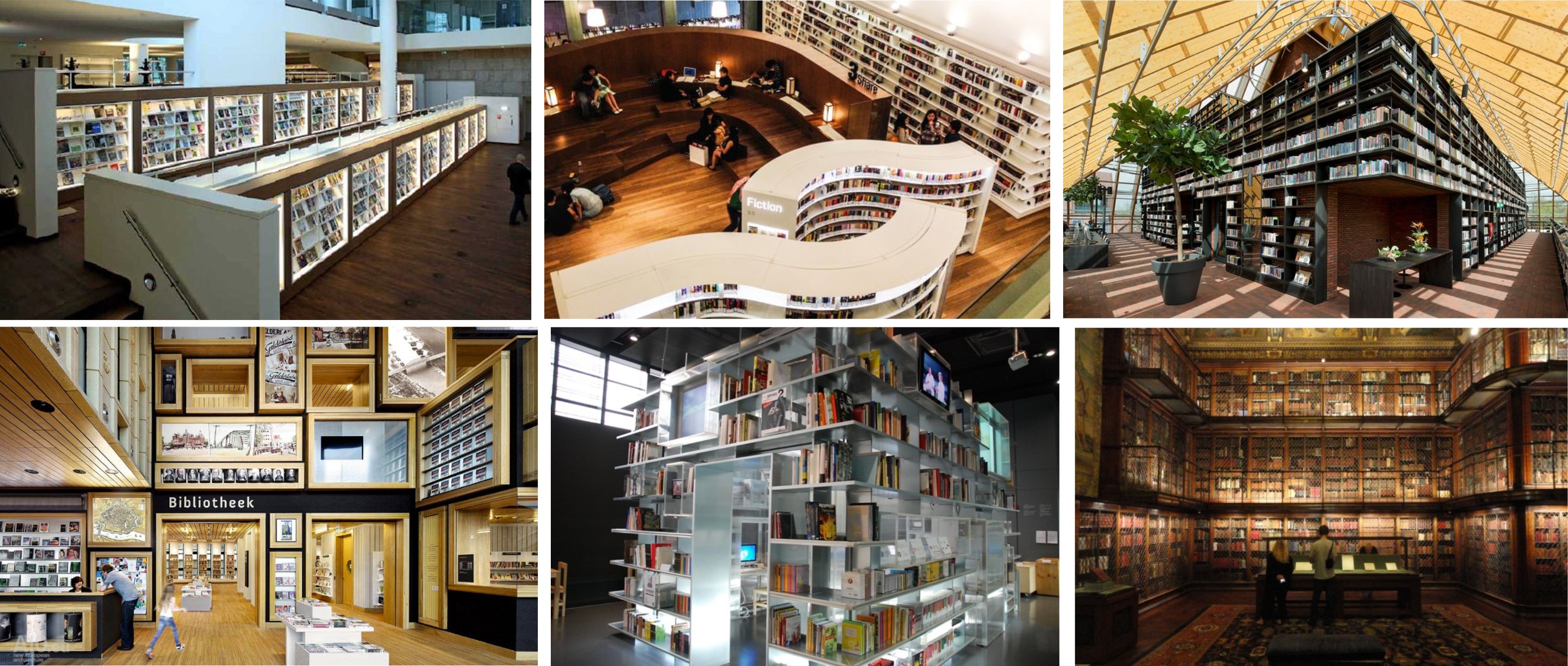
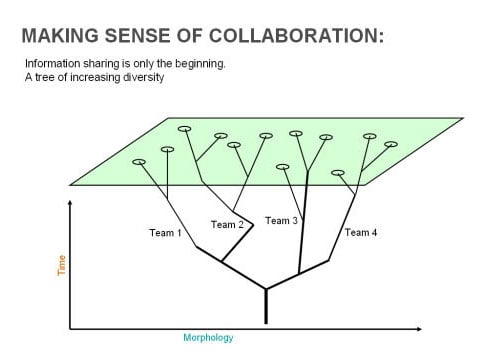
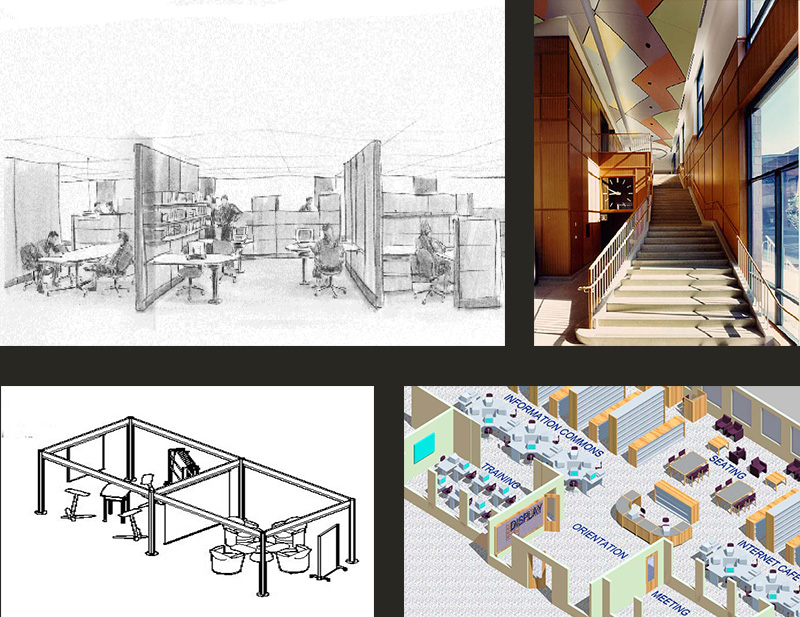
Library Planning Fundamentals: Learn how to assess performance through visual scans, evaluate consultant expertise, position service points, and build the evidence base for a bond campaign. This collection outlines the core assessment methods, visual scan techniques, and master planning frameworks that establish your project evidence base.
Sector Library Design: Explore facility planning frameworks tailored to the distinct security, workflow, collection, and staffing requirements of law, medical, corporate, public, and university libraries. The constraints that govern a courthouse law library differ fundamentally from those governing a biomedical research facility.
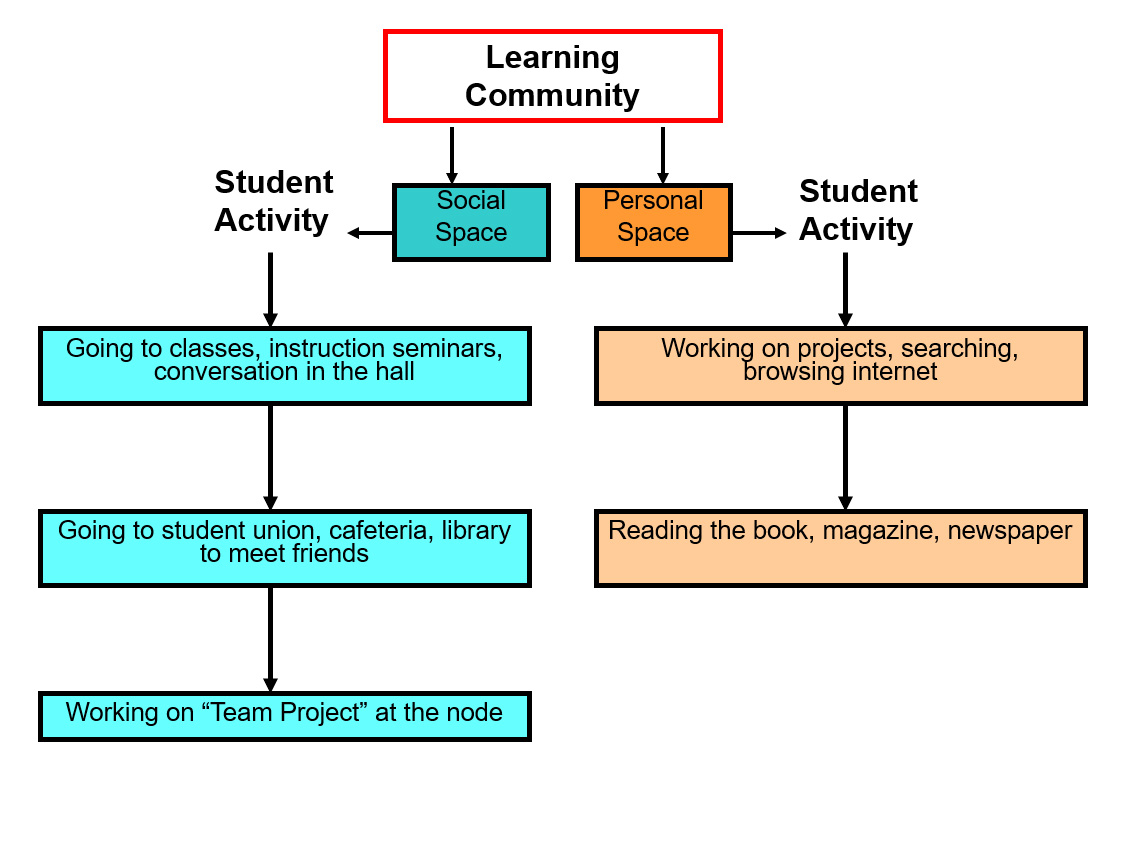
Academic Library Design: Translate institutional enrollment data into a defensible space program that balances campus growth, digital transition, and evolving academic pedagogy. Headcount projections are only the starting point; curriculum forecasts, collection density, and collaborative zone programming all shape the final square footage argument.
Museum and Special Collections Planning: Plan integrated rare book reading rooms, exhibition galleries, and environmental controls that balance preservation, light protocols, and security with research access. These are not competing goals; a well-planned facility honors all of them simultaneously.
Archival Planning: Review structural standards, environmental systems, and workflow layouts that link accessioning, processing rooms, and digitization labs to long-term storage. The adjacency relationships between these functions determine operational efficiency for decades after opening day.
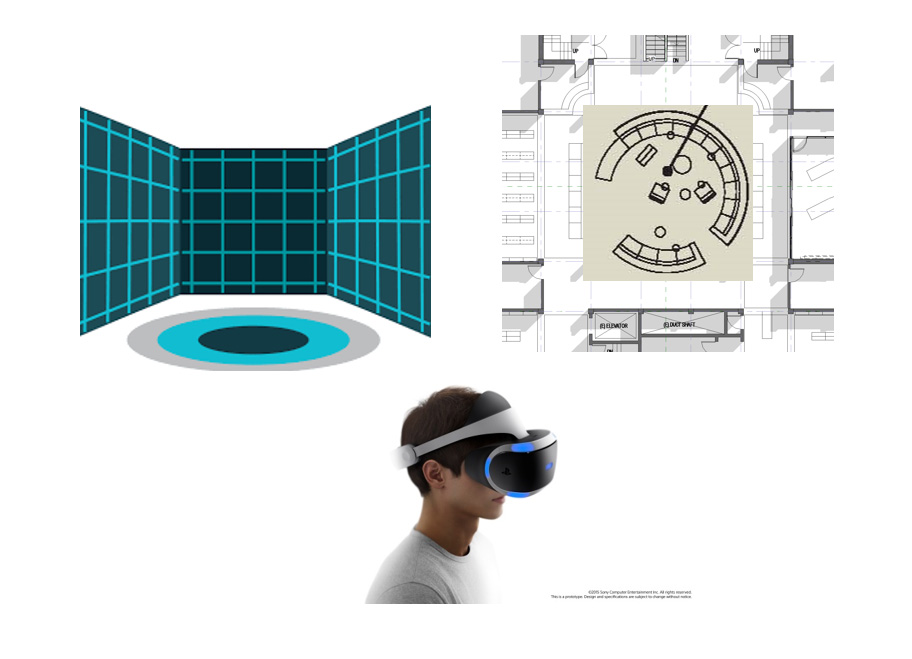
Digital Library Development: Build a digital library from the ground up by structuring service plans, digital literacy programs, and research access around institutional dialogue rather than platforms. The sequence matters: community needs first, platform selection second.
Questions These Pages Answer
Planning Questions with Methodological Answers
Each page in this collection addresses a question that library directors, deans, trustees, and municipal officials have brought to our practice across hundreds of real engagements. These are not theoretical exercises. They are grounded in projects where the wrong answer cost capital, operational efficiency, or both.
How do we translate enrollment projections into a defensible library space program? The answer begins with a structured headcount analysis linked to curriculum forecasts and collection density models, not with a square footage rule of thumb.
How do we evaluate library consulting firms before signing an engagement? Methodological signals, sector experience, and the quality of a firm's building program samples are more revealing than a proposal narrative or a client list.
What evidence base do we need to build to win support for a capital bond campaign? Circulation patterns, enrollment trends, and collection use data assembled into a coherent analytical brief are what survive administrative and public scrutiny.
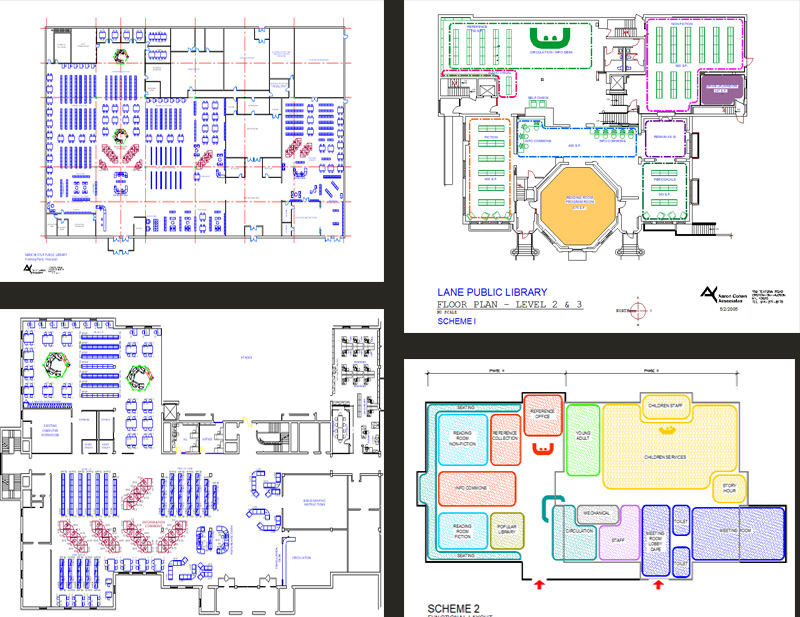
How do we position staff, technology, and patron flow for maximum operational impact? The location and configuration of every service point shapes patron behavior and the perceived value of the library in ways that floor plan changes cannot easily undo.
Digital Library Service Planning

Platforms Follow Service Plans, Not the Reverse
How do we design a digital library service plan around research needs rather than vendor platforms? The question itself contains the discipline: needs first, platforms second. Institutions that invert that sequence license tools before they understand what their researchers are actually trying to accomplish.
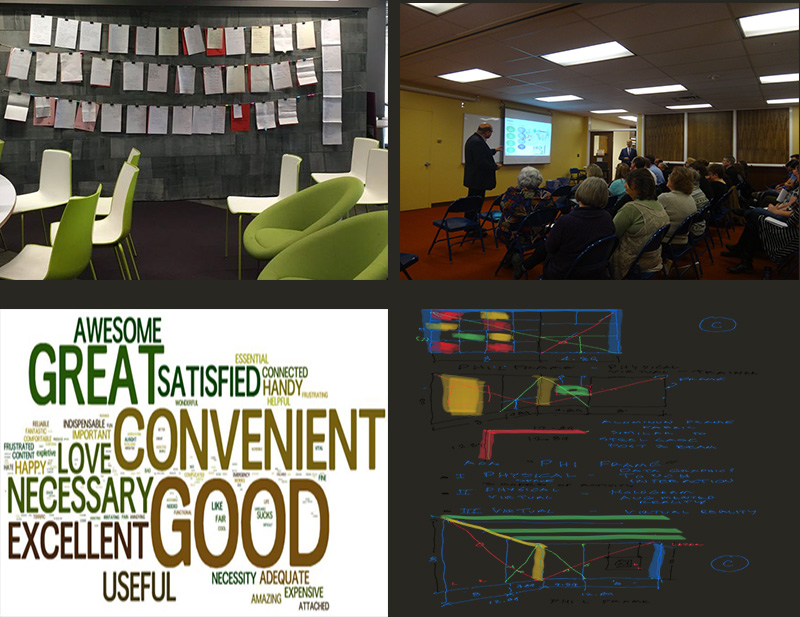
The pages in the Digital Library Development collection show how structured stakeholder dialogue, survey analysis, and facilitated sessions produce a service plan that covers licensing strategy, discovery design, and instructional support in that order. The result is a plan that can be defended in front of a provost or a board because it is grounded in documented community need.
The companion pages on digital literacy and library data insights extend the framework to cover source-evaluation skills, citation transparency, and curated research access for institutions that lack the infrastructure to build their own discovery environments from scratch.
Recently Added

New in the Collection

Six Pages Added to the Planning Record
Library Consulting Firms: How to Evaluate Expertise Before You Sign an Engagement: The criteria that separate a firm with deep methodological grounding from a generalist advisor, and the questions every institution should ask before committing to a planning engagement.
Library Master Planning: Aligning Space, Services, and Institutional Mission Over Time: How a master plan differs from a building program and why every library needs a rolling ten-year framework before any architect is hired.
Library Strategic Analytics Consulting: Building the Evidence Brief That Wins a Bond Campaign: How quantitative evidence drawn from circulation patterns, enrollment trends, and collection use data is assembled into a brief that survives administrative scrutiny and bond campaign review.
Service Point Planner: Positioning Staff, Technology, and Patron Flow for Maximum Impact: How the location and configuration of every service desk shapes patron behavior, staff efficiency, and the perceived value of the library.
Library Design Consultants for Corporate and Research Environments: Speed, Security, and Knowledge Flow: How the physical and digital design of a corporate or research library directly affects the speed at which professionals find, evaluate, and apply specialized knowledge.
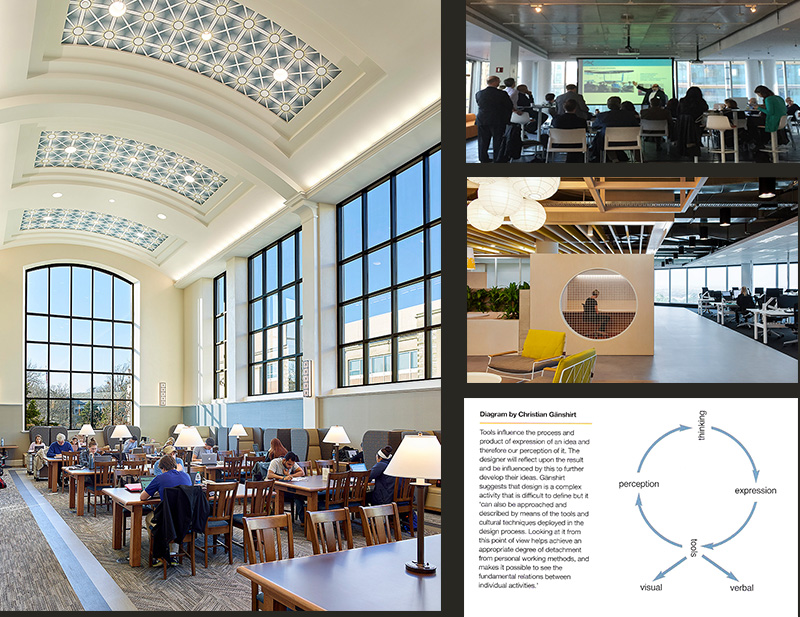
University Library Design Consultants: Balancing Preservation, Collaboration, and Digital Access on a Single Campus: Why university libraries require a consultant who can hold collection density, learning commons programming, and digital infrastructure in simultaneous tension across a single building program.
Complete Planning Reference

Every Page in This Collection
The full record of tested planning frameworks, sector-specific guidance, and analytical methodologies developed across decades of practice. Each page addresses a specific institutional question with a specific methodology, not a generalized recommendation.
Academic Library Design — Academic Library Planner: Enrollment Data to Space Program — Archival Planning — College Library Design Consultants — Digital Library Development — Digital Library Planning — Digital Literacy and the Academic Library
How Library Consultants Assess Facility Performance: The Visual Scan — Law Library Consulting — Archival Facility Planning for Library Building Consultants — Library Capital Planning — Special Collections Library Planning
Library Consulting Firms — Library Data Insights Consulting — Library Design Consultants for Corporate Environments — Library Master Planning — Archival Processing Room and Workflow Planning
Library Planning Fundamentals — Library Strategic Analytics Consulting — The Digital Library Service Plan — Digitization Lab Planning — Medical and Biomedical Library Facility Planning
Museum and Special Collections Planning — Public Library Design Consultants — Rare Book Reading Room Design — Sector Library Design — Service Point Planner — Special Collections Environmental Controls — University Library Design Consultants — What Does a Library Consultant Do?
Discuss Your Library Planning Project
Talk with our consultants about evaluating your current facility, structuring your space program, or preparing your institution for a capital engagement. We work with library directors, deans, trustees, and municipal officials at every stage of the planning process, from initial performance assessment through final building program delivery.
Every engagement begins with a structured assessment of what you know, what you need to know, and what the evidence base requires before any design or procurement decision can be made responsibly. That discipline is what makes the results defensible in front of administrators, boards, and communities.
Contact Aaron Cohen Associates