
Digital Assets
and Digital Transformation
of the Library
Start the Conversation

Advocacy & Funding
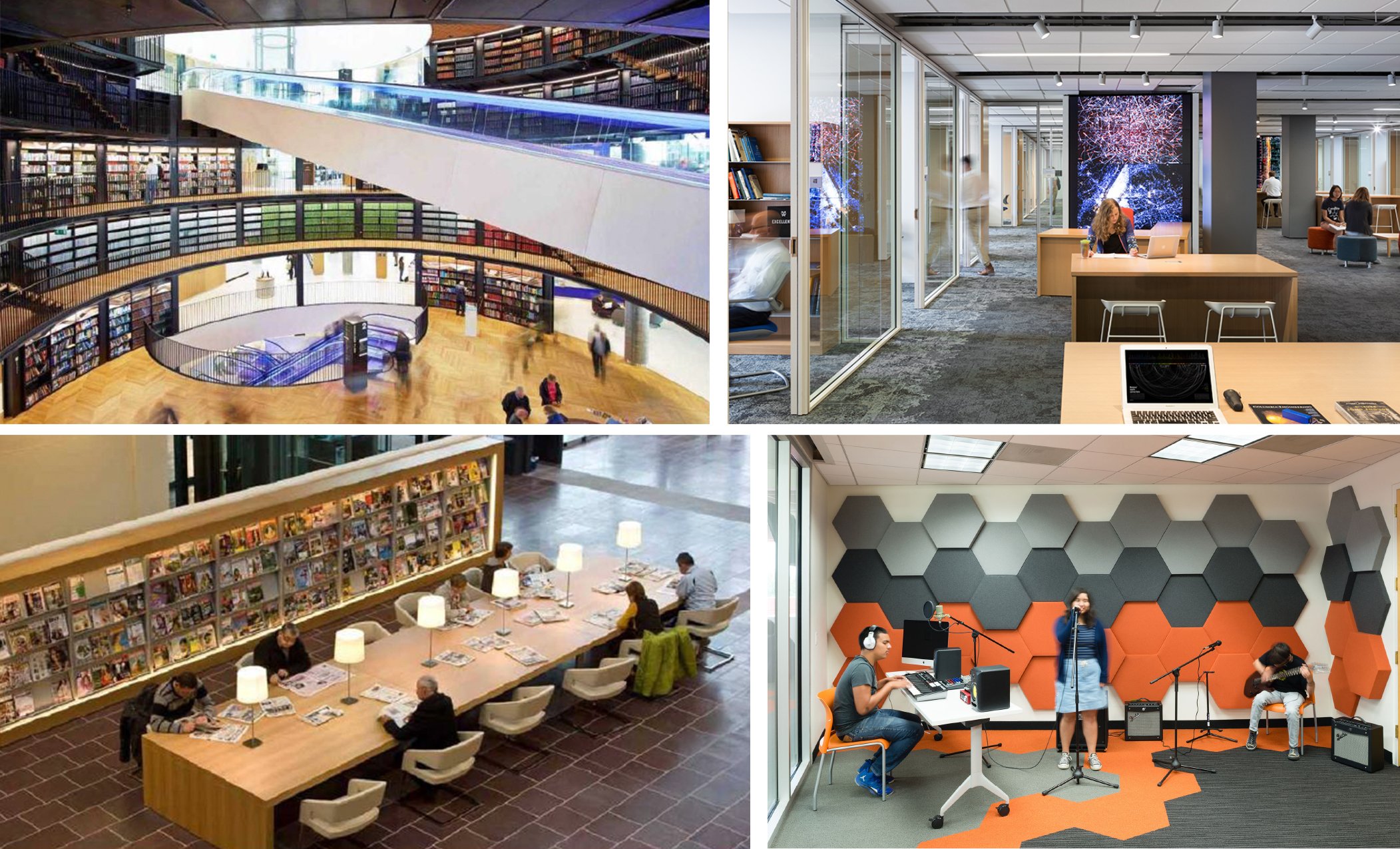
Making the Case for Digital Investment
Securing funding requires a compelling case for support. It is time to strategically plan for digital assets and visualization spaces. That means demonstrating measurable impact, identifying the right funding channels, and bringing stakeholders into the conversation before decisions are made. Aaron Cohen Associates has guided libraries through this process since 1972, translating complex institutional needs into clear, fundable proposals.
The libraries that succeed in securing resources are the ones that can show, in concrete terms, what those resources accomplish. We help you build that argument from the ground up — grounded in your data, your community, and your institution's priorities. Learn more about our broader library consulting services and how strategic planning anchors every funding initiative.
Core Capabilities
What We Bring to Digital Transformation
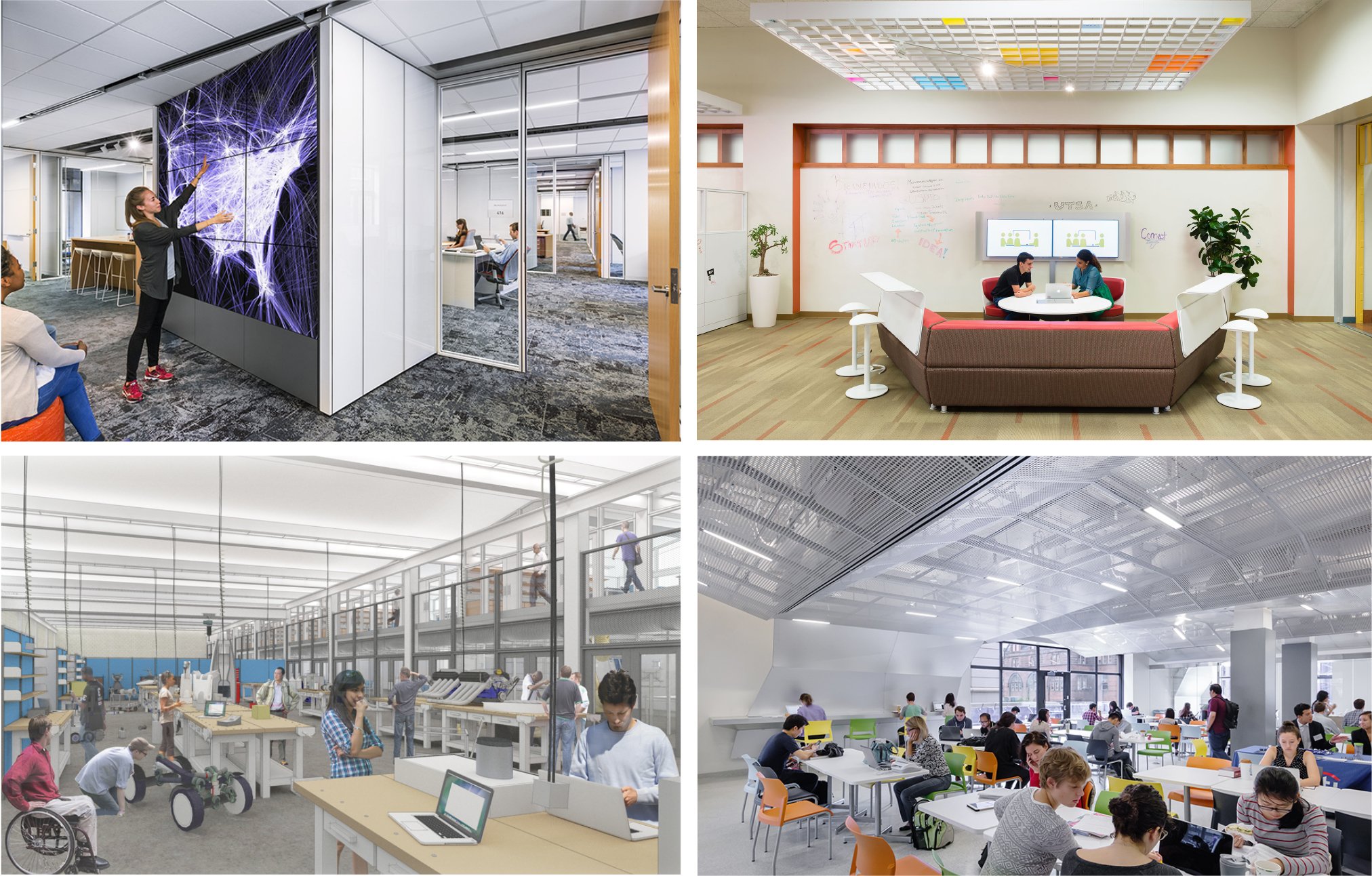
Our consulting practice integrates digital asset management, space strategy, and institutional advocacy into a unified approach. Whether you are planning a new visualization suite, restructuring collections for digital access, or preparing a grant application, we provide the analytical and design expertise to move the work forward with confidence.
Funding Approach

Three Pillars of a Successful Funding Strategy
Demonstrating Impact. Presenting data on the positive impact of library services on student success and institutional advancement. This means going beyond circulation counts to show how library spaces, digital collections, and instructional programs connect directly to retention, research output, and accreditation outcomes. The data already exists in most institutions — the work is in framing it correctly.
Exploring Funding Sources. Identifying a variety of funding opportunities, including grants, donations, and internal allocations. No single channel is sufficient. A well-constructed funding strategy layers federal and foundation grants alongside alumni giving programs and internal capital budget requests, each tailored to what that source is actually looking to support.
Educating Stakeholders. Informing university leaders, faculty, and student groups about the value of the library and its evolving role. Decision-makers who do not use the library daily often hold outdated assumptions about what it does. Structured briefings, tours of peer institutions, and well-timed reports can shift those assumptions before a budget cycle opens.
Library Spaces in Practice

Design Philosophy
Moving Beyond the Study Hall Model
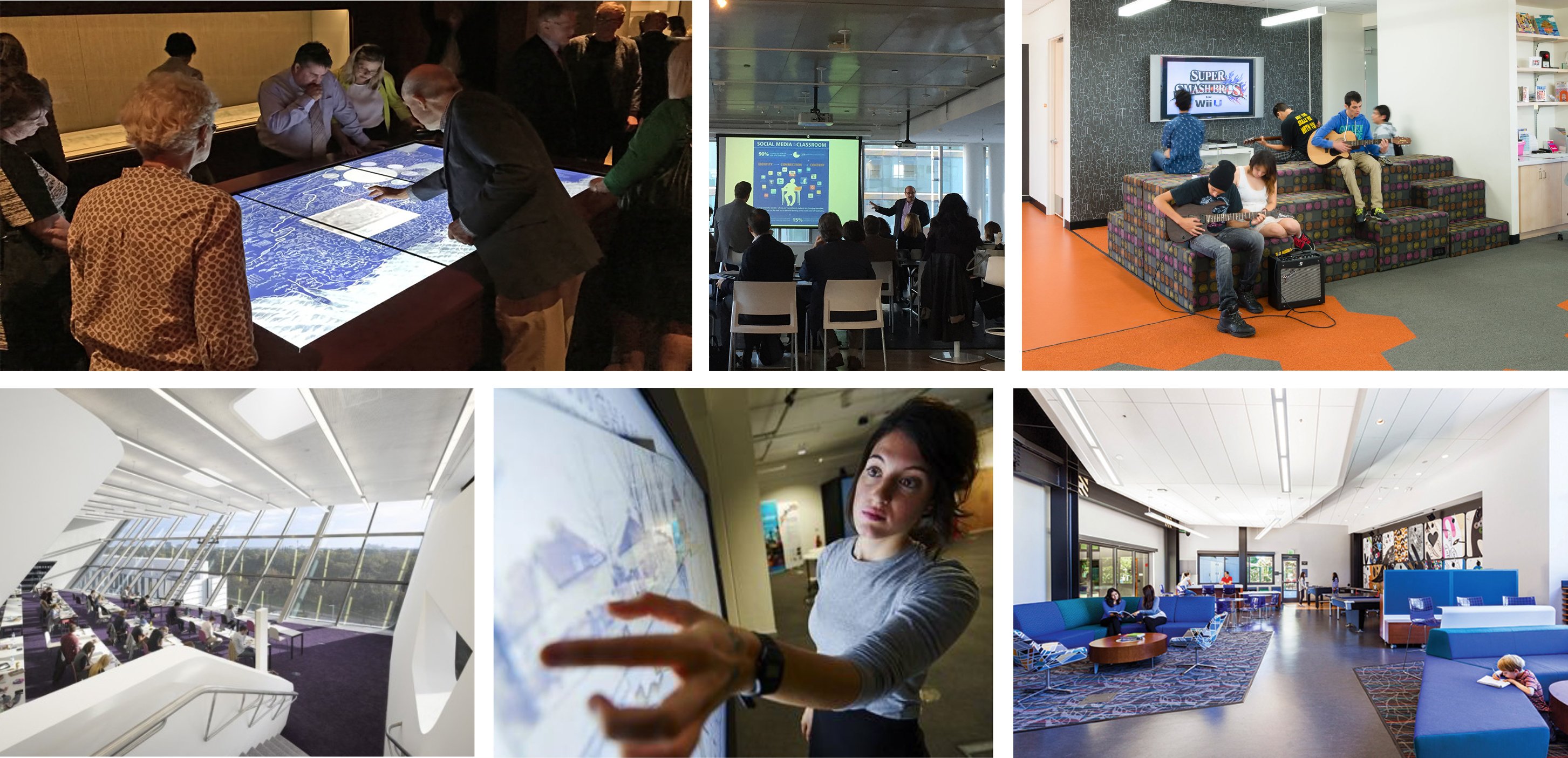
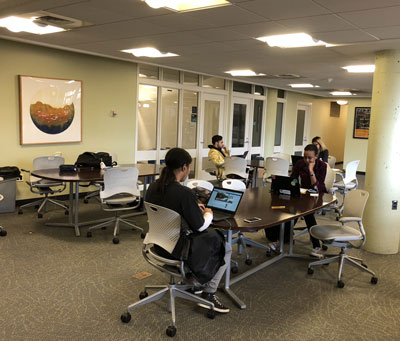
Moving beyond a single "study hall" model. We design for diverse needs: quiet individual study, collaborative group work, spaces for casual interaction (like a café setting), and specialized areas for exhibits and academic skills programs. Brawne (1970) highlighted the importance of considering expansion possibilities, even if not immediately planned, by strategically locating spaces near potential growth areas.
Understanding this historical trajectory is crucial. We learn from past successes and failures, recognizing that each era demanded a different approach to library design and service delivery. Today, we stand at a pivotal moment, poised to create libraries that are not just relevant, but indispensable to the future of higher education. As Aaron Cohen eloquently pointed out in the early 2000s, effective library planning requires a proactive vision, not simply responding to immediate needs. It requires a shift to manage digital assets as well as physical spaces.
This philosophy runs through every engagement we take on — from a single-room renovation to a multi-building campus strategy. See how it applies to architectural innovation, space and service planning, and library evolution across institution types.
Digital Asset Management

Managing What You Cannot See on a Shelf
Digital assets — licensed databases, institutional repositories, digitized special collections, born-digital archives — require the same rigorous planning that physical collections do, and often more. The challenge is that the infrastructure is less visible, the costs are less intuitive to non-specialists, and the consequences of poor planning compound over time as formats change and vendor relationships shift.
Our digital asset management consulting addresses the full lifecycle: acquisition policy, metadata standards, access architecture, preservation planning, and staff capacity. We also help institutions understand what they already own and how to make it more discoverable and useful to the people it is meant to serve.
For libraries considering a broader digital planning and preservation strategy, we offer structured assessments that identify gaps, prioritize investments, and produce a roadmap that can be presented to leadership and used to anchor grant applications.
Collections & Space
Physical and Digital Collections Working Together
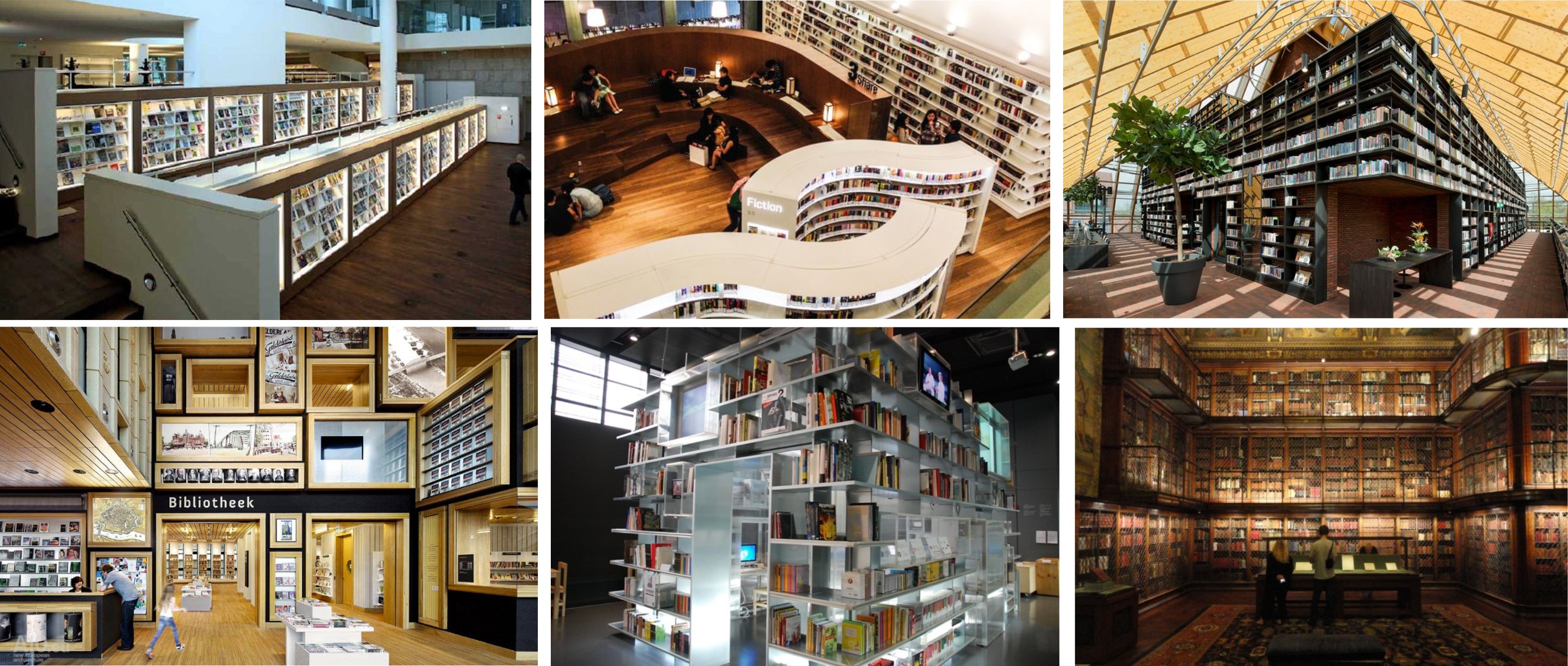
The most effective libraries we have worked with do not treat physical and digital collections as separate problems. They plan them together — deciding which materials serve users best in print, which belong in a high-density storage system, and which should be digitized or licensed digitally. That integrated thinking produces better outcomes for users and better use of limited square footage.
Our twelve critical dimensions of modern academic library space framework gives institutions a structured way to evaluate every zone of the building against current and projected user needs. It is a practical tool, not a theoretical exercise, and it has been applied in libraries ranging from small liberal arts colleges to major research universities.
Browse our consulting portfolio to see the range of institutions we have worked with, or review specific project lists for college and university libraries, public libraries, and government libraries.