
A Scenario Worth Recognizing

When the Plan Arrives Too Late
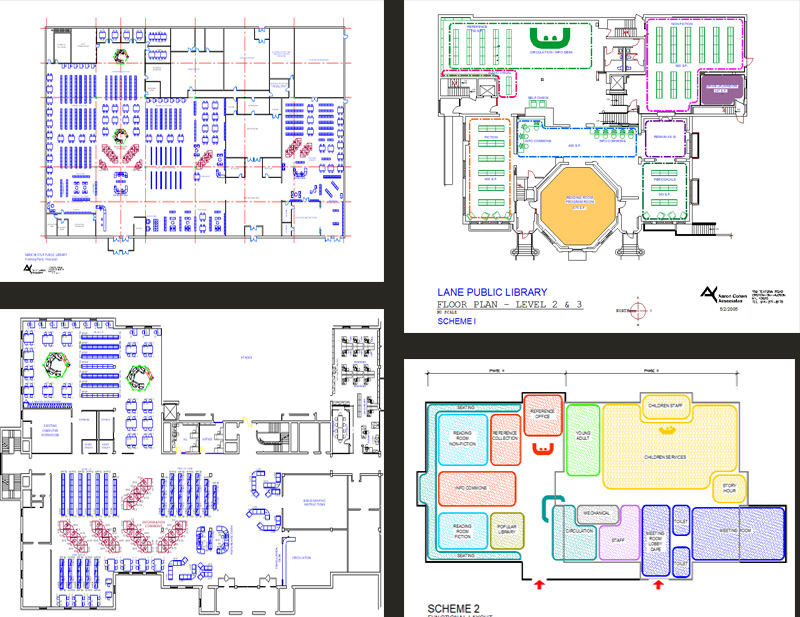
Consider a mid-sized public library system that had accumulated years of deferred maintenance, an outdated collections budget, and a makerspace initiative the community had been requesting for half a decade. The director had no shortage of good ideas. What she lacked was a development framework that could sequence those ideas into fundable, compelling asks — and a Friends board that understood the difference between an annual fund campaign and a capital drive.
By the time an architect had been retained and schematic drawings were on the table, the fundraising strategy should already have been eighteen months into execution. Instead, the campaign launched reactively, donors received contradictory messages about priorities, and the timeline stretched from two years to five. The building was eventually built, but at a cost premium that good early planning would have absorbed into a more efficient campaign cycle.
That scenario is not unusual. Across fifty years of library planning engagements — academic, municipal, government, and specialized — the pattern recurs: institutions treat fundraising as a consequence of planning rather than as a parallel discipline that must begin the moment strategic priorities are confirmed. The pages that follow lay out the framework that closes that gap.