
Library Capital
Campaign
Fundraising
Talk to a Consultant
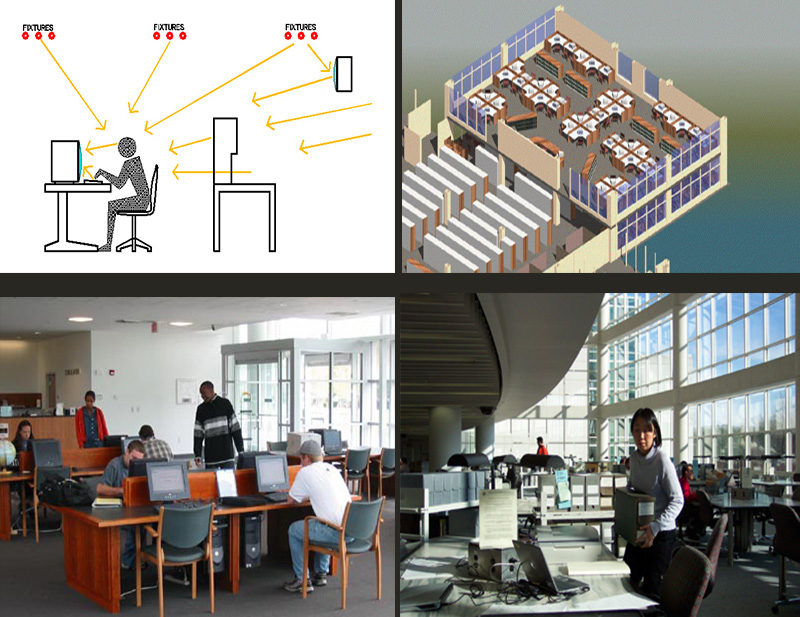
The Campaign That Almost Stalled

A Realistic Scenario
Consider a mid-sized municipal library that had been planning a capital campaign for three years. The building program was sound, the need was real, and the board was enthusiastic. Yet when the first feasibility study came back, the quiet-phase target was barely 40 percent subscribed. The campaign chair had credibility but no major-gift relationships. The case statement told the story of the building, not the story of the community the building would serve. Within six months of engaging a structured campaign planning process—one grounded in donor motivations, leadership gift sequencing, and architectural narrative—the quiet phase closed at 68 percent and the public launch followed on schedule.
That pattern repeats itself across academic, municipal, and specialized library environments. The technical planning is rarely the problem. The fundraising architecture—how gifts are sequenced, how leadership is recruited, how the case connects to donor values—is almost always where campaigns succeed or fall short. This guide addresses that architecture directly, drawing on five decades of library capital planning practice.
TL;DR
Three Things to Know Before You Read Further
Library capital campaigns are won or lost in the quiet phase: securing 60–70 percent of your goal from a small number of major donors before any public announcement. Leadership gift capacity in your campaign chair is non-negotiable. And a case statement that connects the building to community transformation—not square footage—is what moves donors from interest to commitment. Everything else in this guide explains how to execute those three realities across the full campaign lifecycle.
Securing 60–70 percent of the campaign goal from lead donors before any public announcement determines whether a campaign reaches its target or stalls mid-course. This requires prospect identification, cultivation timelines, and gift table construction completed during the planning phase.
Campaign chairs who bring both major-gift capacity and institutional credibility transform volunteer structures from advisory bodies into fundraising engines. Identifying, vetting, and recruiting this leadership is among the most consequential early decisions in any capital campaign.
A case statement that describes architectural features moves no one. A case statement that describes what a first-generation student finds when she walks through the new entrance, or what a small business owner gains from a reoriented maker space, creates the emotional connection that motivates transformational giving.
Donors increasingly scrutinize whether capital gifts simply shift costs onto future operating budgets. Comprehensive financial planning—including endowment targets for maintenance, staffing projections, and technology refresh cycles—demonstrates institutional stewardship and strengthens major gift conversations.
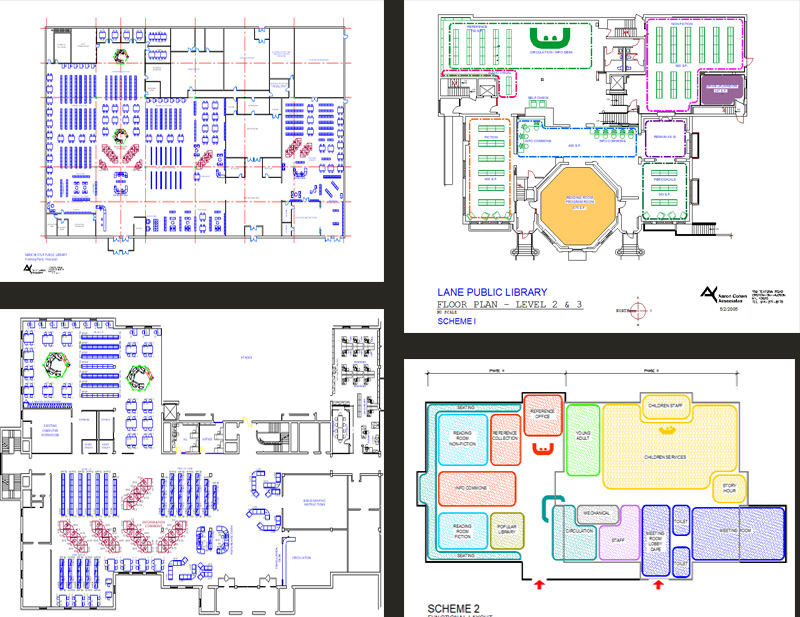
Comprehensive Fundraising Guide
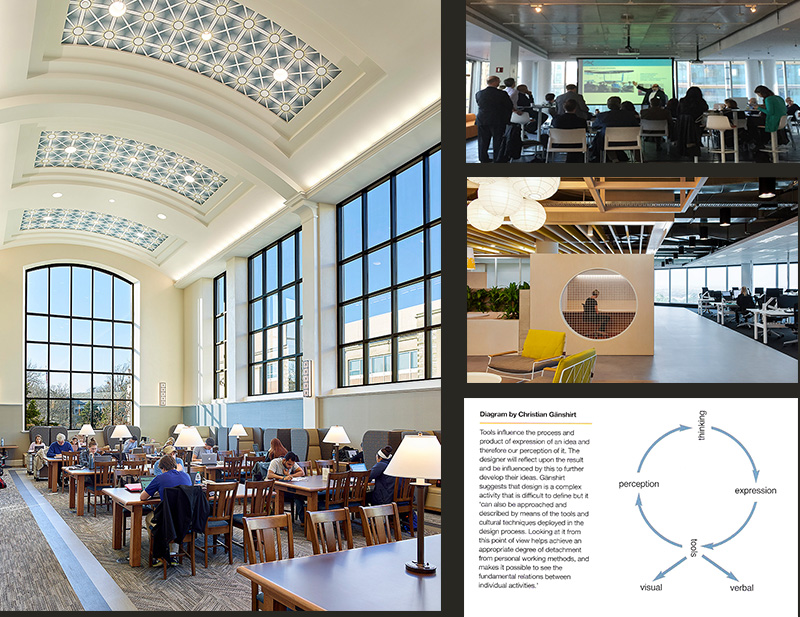
Library Capital Campaigns
Library capital campaigns represent unique opportunities to transform community spaces while engaging diverse stakeholders in meaningful philanthropy. This comprehensive guide synthesizes best practices across library capital campaign planning, donor engagement, financial management, and architectural considerations. Whether planning a renovation, expansion, or new construction, libraries must approach fundraising strategically, recognizing that successful campaigns blend compelling storytelling, rigorous planning, and authentic community engagement.
Modern library campaigns typically range from $5 million to $50+ million, requiring 18–36 months of planning followed by 3–5 years of active fundraising. Success depends on understanding that libraries serve as community anchors—spaces for learning, connection, and opportunity—making them compelling investment opportunities for donors seeking lasting community impact. The most critical success factors include leadership gifts secured before public launch, volunteer campaign chairs with major gift capacity and community credibility, compelling cases connecting library impact to donor values, comprehensive financial planning including operating sustainability, and authentic community engagement building broad ownership of the project.
Campaign Planning
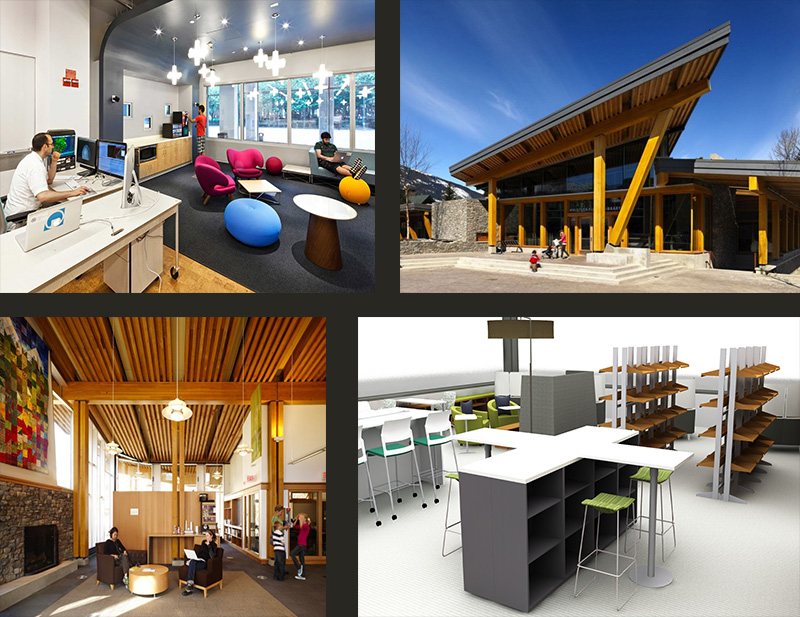
Strategy and Execution
Library capital campaigns differ fundamentally from annual fundraising efforts. These multi-year initiatives require comprehensive planning, significant volunteer engagement, and sustained organizational focus. Successful campaigns typically follow a predictable lifecycle: planning phase (12–18 months), quiet phase (12–24 months), public phase (18–36 months), and completion/stewardship phase (ongoing).
The planning phase establishes feasibility, the quiet phase secures 60–70% of the goal from major donors, the public phase broadens engagement across the community, and the completion phase ensures pledge fulfillment while celebrating success.
Understanding the Campaign Landscape
The Four Campaign Phases in Depth
Each phase of a library capital campaign carries distinct objectives, risk profiles, and organizational demands. The institutions that execute successfully treat each phase as a discrete planning problem, not a continuous process that simply unfolds on its own momentum.
The planning phase (12–18 months) is where campaigns are won or abandoned. A rigorous feasibility study tests the case for support with prospective donors, assesses volunteer leadership capacity, evaluates the institution's fundraising infrastructure, and produces a gift table showing whether the goal is achievable from identifiable prospects. Institutions that skip this phase—or commission a study predisposed to confirm the goal—routinely stall in the quiet phase when real gift conversations begin.
The quiet phase (12–24 months) is not silent—it is intensely active. Campaign staff and volunteer leadership are cultivating and closing gifts at the top of the gift table: typically five to fifteen gifts that together represent 60–70 percent of the total goal. No public announcement is made until this threshold is reached, because a public campaign that opens at 30 percent subscribed signals weakness rather than momentum. Prospect management, proposal development, and stewardship of early donors are the primary activities during this period.
The public phase (18–36 months) leverages the momentum of a well-subscribed quiet phase to engage mid-level and community donors. Events, naming opportunities, challenge grants, and broad communication strategies draw in constituents who were not part of the quiet-phase cultivation. This is when the community ownership of the project becomes most visible—and most valuable as a fundraising asset. The evidence base assembled during planning becomes public narrative during this phase.
The completion phase ensures that multi-year pledges are fulfilled and that donor relationships are sustained beyond the campaign close. Recognition events, annual reports to donors, and ongoing communication about the project's impact are not optional courtesies—they are the foundation for the next capital initiative, which most libraries will face within fifteen to twenty years of completing a major project.
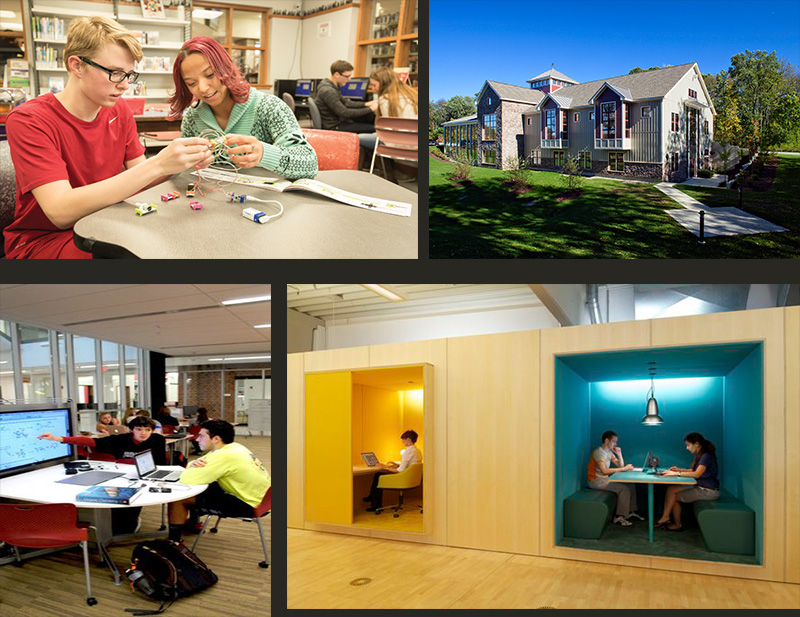
Campaign Planning in Practice

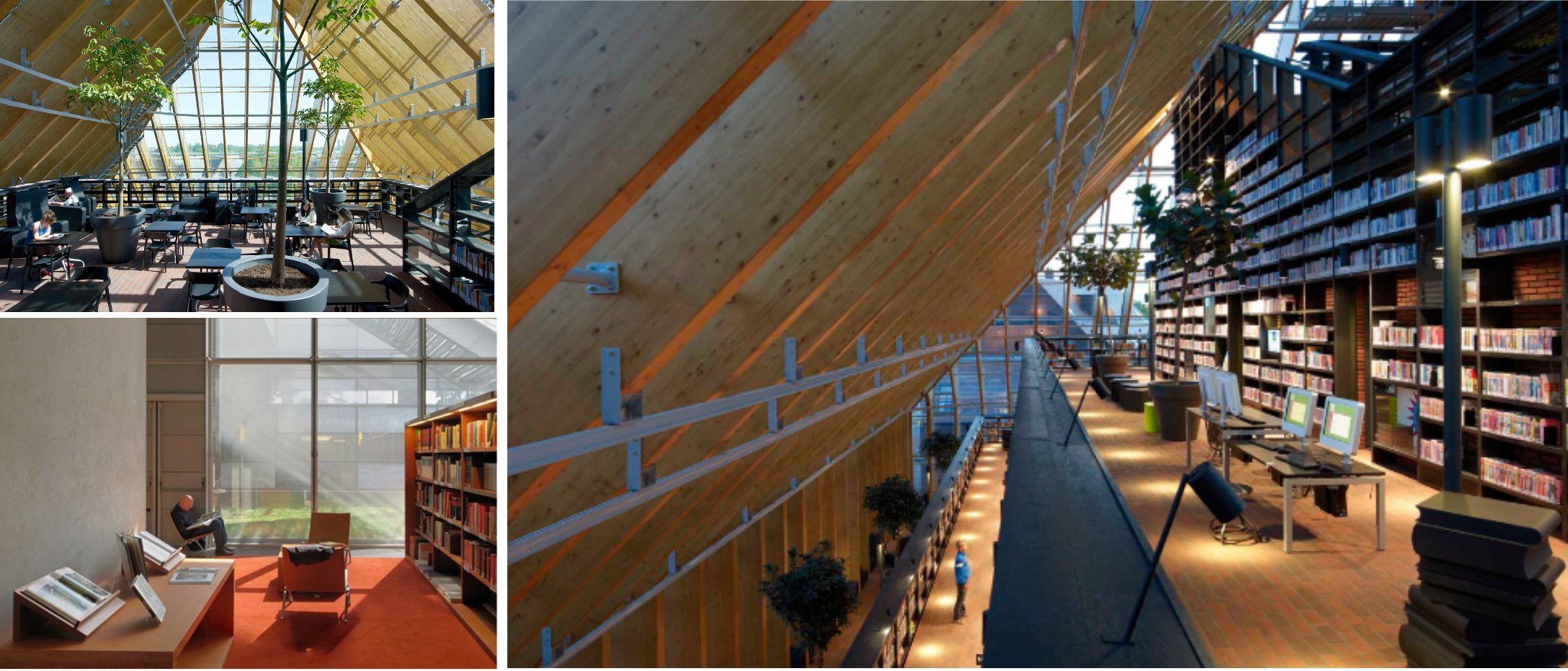

Donor Engagement and Case Development
Building a Case That Moves People to Give
The case for support is not a building program in prose. It is the answer to the question every prospective donor asks, consciously or not: why should I invest my resources here rather than anywhere else? That answer must be specific to this community, this library, and this moment—and it must connect the physical project to human outcomes that donors recognize as meaningful.
Effective cases for support lead with community impact, not institutional need. They describe specific users—the job seeker who needs reliable internet access, the researcher who cannot find quiet study space, the child whose first independent library visit becomes a lifelong habit—and then connect the proposed building improvements to those users' experiences. Architectural features appear in the case as means, never as ends. This requires close collaboration between the planning consultant, the architect, and the development office, ensuring that the program elements translate into human narratives before any donor conversation begins.
Campaigns that build broad ownership of the project before the public launch are systematically more successful than those that announce a completed plan and ask for support. Community engagement during the planning phase—through focus groups, town halls, surveys, and stakeholder interviews—produces both better programs and more invested donors. People who helped shape a project have a fundamentally different relationship to it than people who are asked to fund someone else's vision. This is why community engagement is a fundraising strategy, not merely a planning courtesy.
Naming opportunities are among the most powerful tools in a capital campaign, but they require careful calibration. Pricing must reflect the prominence and permanence of the space being named, the capacity of the donor pool, and the institution's long-term governance needs if a named space requires renaming. A coherent recognition strategy—covering plaques, digital recognition, event acknowledgment, and annual reporting—demonstrates that the institution takes its stewardship obligations seriously, which in turn strengthens the case for major gift investment.

Financial Management and Operating Sustainability
Planning for the Full Cost of Success
Capital campaigns that meet their construction goals but leave operating budgets structurally underfunded create institutional problems that persist for decades. A building that cannot be properly staffed, maintained, or technologically updated within five years of opening is not a campaign success—it is a deferred liability. Comprehensive financial planning for a library capital campaign must address the full cost of the institution the new building will house, not merely the cost of the building itself.
This means developing realistic staffing models for the new facility, projecting technology refresh cycles across the building's expected service life, establishing endowment targets for major maintenance reserves, and modeling the operating budget impact of expanded square footage. Donors with business backgrounds—often the most capable major-gift prospects—will ask these questions directly. Having rigorous answers demonstrates institutional competence and significantly increases confidence in the campaign leadership's ability to execute.
Operating endowments are increasingly a standard component of library capital campaigns in the $10 million and above range. Rather than treating endowment as a separate initiative to be addressed after the building is complete, integrating it into the campaign goal allows donors to make a single transformational gift that covers both construction and long-term sustainability. This approach also permits more sophisticated naming discussions: naming an endowed position or program carries different implications than naming a room, and sophisticated donors appreciate the distinction.
Architectural Considerations in Campaign Planning
When the Building Program and the Fundraising Case Must Work Together
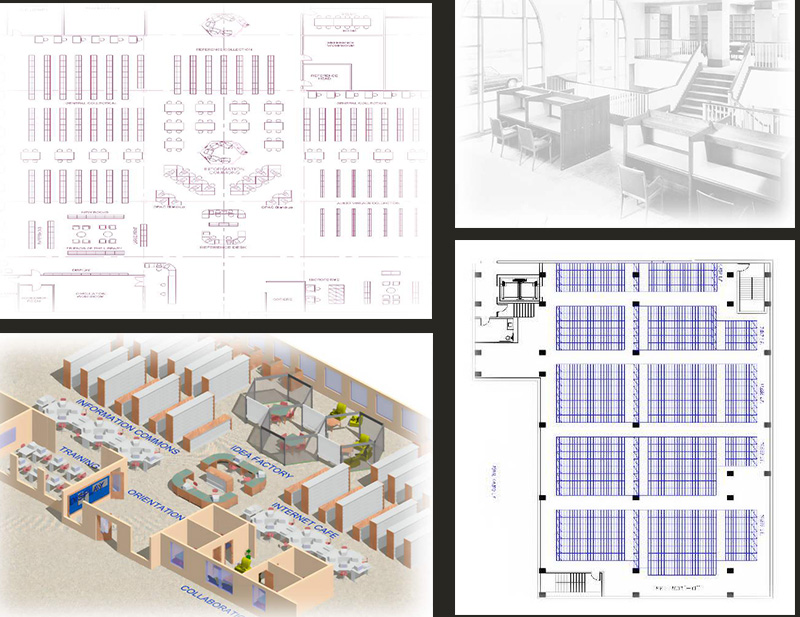
The relationship between architectural planning and fundraising strategy is not sequential—it is simultaneous. Libraries that engage an architect to produce schematic designs before beginning donor cultivation are committing to a specific program before testing whether that program resonates with the people who will fund it. The most effective campaigns integrate planning and fundraising development from the outset, allowing feasibility findings to inform program priorities and donor conversations to sharpen architectural narratives.
A space program developed in isolation from donor cultivation produces a list of rooms. A space program developed in dialogue with community stakeholders and prospective donors produces a set of named, purposeful environments that donors can visualize themselves supporting. The difference is not cosmetic—it affects which program elements receive priority, which spaces carry naming potential, and how the total project cost is allocated across the gift table. Academic library design and public library planning each require their own donor narrative frameworks, because the communities they serve have distinct philanthropic motivations.
Phased construction—delivering the project in discrete, fundable segments—is both an architectural strategy and a fundraising tool. It allows an institution to begin construction when the first phase is fully funded, demonstrating momentum to remaining donors and reducing the risk of a construction halt if fundraising falls short of projections. Each phase can carry its own naming and recognition opportunities, effectively running multiple parallel gift conversations within a single campaign. The phasing plan must be developed collaboratively between the architect, the planning consultant, and the development office to ensure that each phase is both architecturally coherent and philanthropically compelling.
Environmental sustainability features—high-performance HVAC, daylighting systems, materials with low embodied carbon, water management—are increasingly important to major donors, particularly foundations and corporate funders with explicit environmental commitments. Designing for LEED or comparable certification adds modest cost but significantly expands the pool of fundable components. More importantly, sustainability features translate into long-term operating cost reductions that strengthen the financial sustainability argument central to every major donor conversation.
Campaign Leadership and Volunteer Structure
The Volunteer Structure That Makes Campaigns Function
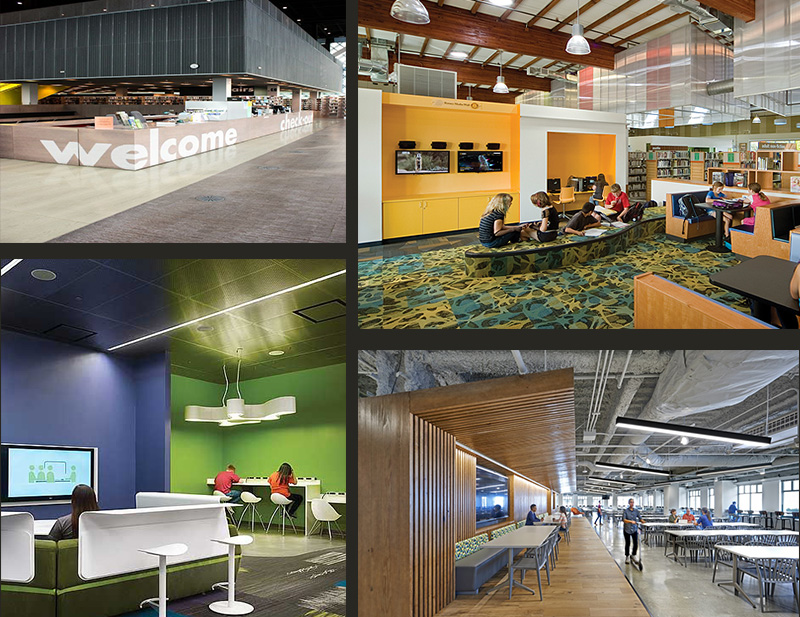
A campaign chair with major-gift capacity and community credibility is the single most important non-staff appointment in a library capital campaign. This individual does not merely lend their name to letterhead—they make the first significant gift, open doors to prospects they know personally, and signal to the philanthropic community that the campaign merits serious consideration. Identifying, cultivating, and recruiting this person is a process that typically begins twelve to eighteen months before any public announcement and requires direct involvement from the library director, board chair, and lead planning consultant.
Below the campaign chair, an effective volunteer committee structure distributes both fundraising responsibility and community outreach across multiple networks. Subcommittees organized around specific constituencies—alumni, faculty, local business, foundation funders, government relations—allow each group to work within its own relationships while contributing to the shared campaign goal. Staff support for each subcommittee is non-negotiable: volunteers who lack professional staff partners consistently underperform against their commitments, not from lack of will but from lack of infrastructure.
Staff capacity is a persistent underestimation in library capital campaigns. A campaign in the $10–20 million range typically requires at least one full-time campaign director dedicated exclusively to the effort, supported by prospect research, database management, and communications capacity. Libraries accustomed to operating their development functions with general-purpose staff often discover that campaign demands exceed existing capacity within the first six months of the quiet phase. Budgeting for staff additions or contracted campaign counsel before the quiet phase begins, rather than after the first signs of strain, is a hallmark of well-managed campaigns.
Government and Foundation Funding
Integrating Public and Philanthropic Capital Sources
Most library capital campaigns of significant scale combine private philanthropic dollars with public funding sources: state library construction grants, federal programs, municipal bond allocations, and foundation capital grants. Each source carries its own application timeline, reporting requirements, and use restrictions, requiring the campaign plan to coordinate across multiple funding tracks simultaneously. Early engagement with state library agencies and foundation program officers—often twelve to twenty-four months before an application is submitted—is standard practice in campaigns that successfully leverage public dollars.
Most states operate capital grant programs administered through the state library agency, typically requiring a local match, a completed needs assessment, and architectural documentation at a defined stage of design development. Application cycles vary by state, with some programs operating annually and others biennially. Understanding the specific requirements and competitive landscape of the relevant state program is a prerequisite for integrating state funding into the campaign timeline. Applications that demonstrate community engagement, demonstrated need, and architectural readiness consistently outperform those that treat the grant as a documentation exercise.
Foundation capital grants for library construction are most commonly available from community foundations, family foundations with explicit education or literacy priorities, and national foundations with library-specific programs. The key to successful foundation cultivation is alignment between the library's program priorities and the foundation's stated interests—not the library's need, but the foundation's agenda. Campaigns that frame their requests around foundation priorities, rather than repackaging institutional needs in foundation language, consistently achieve higher success rates in competitive grant markets.
Challenge grants—where a lead donor or foundation commits a significant gift contingent on the library raising a matching amount within a defined period—are among the most effective tools for accelerating mid-phase momentum. They create urgency, provide a clear fundraising goal for a defined period, and allow the lead donor to leverage their gift to generate additional philanthropic investment. Structuring challenge grants effectively requires careful calculation of the matching ratio, the challenge period, and the gift range being targeted, with the goal of engaging donors who would not have given, or given at the same level, without the challenge incentive.
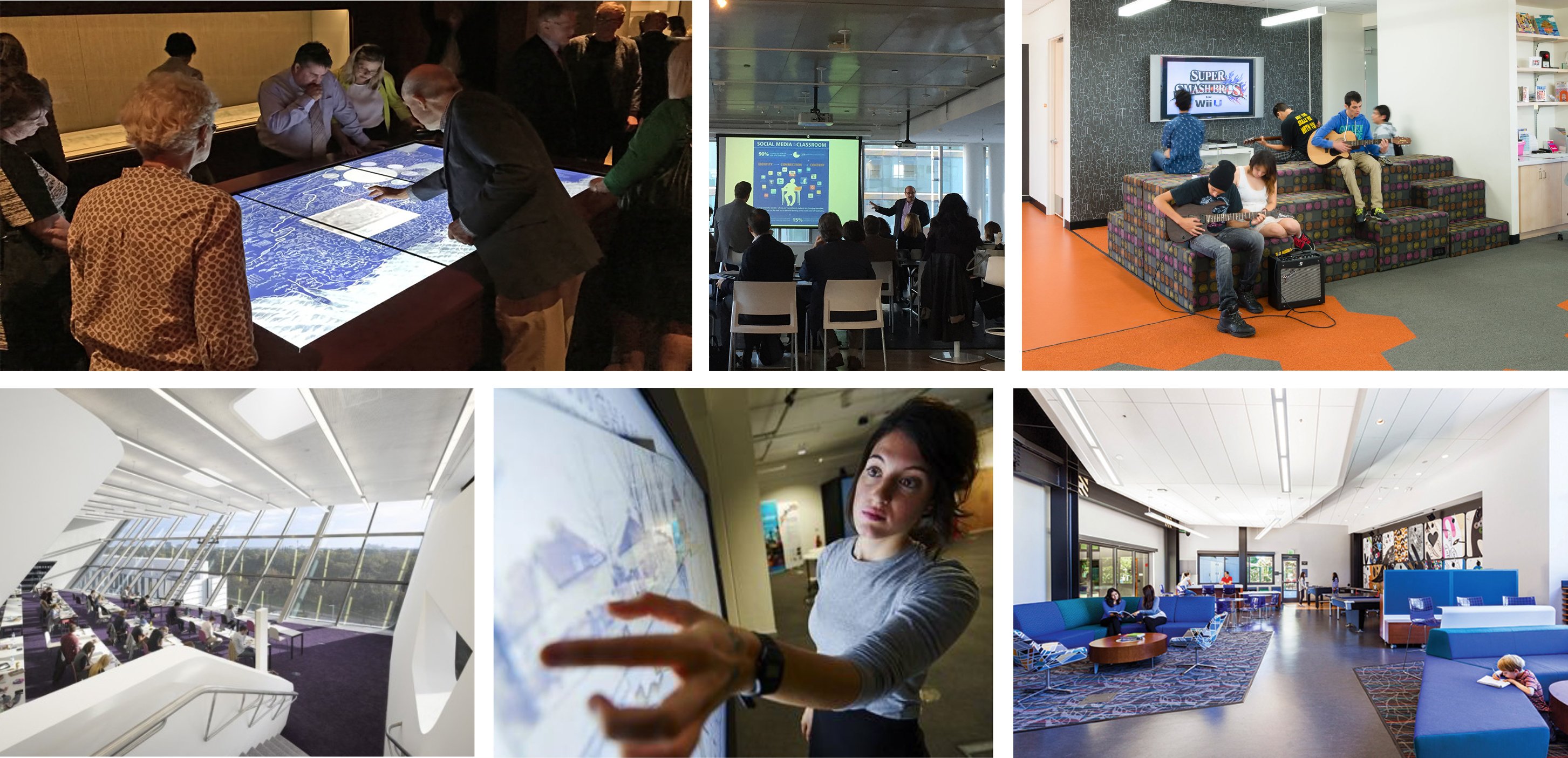
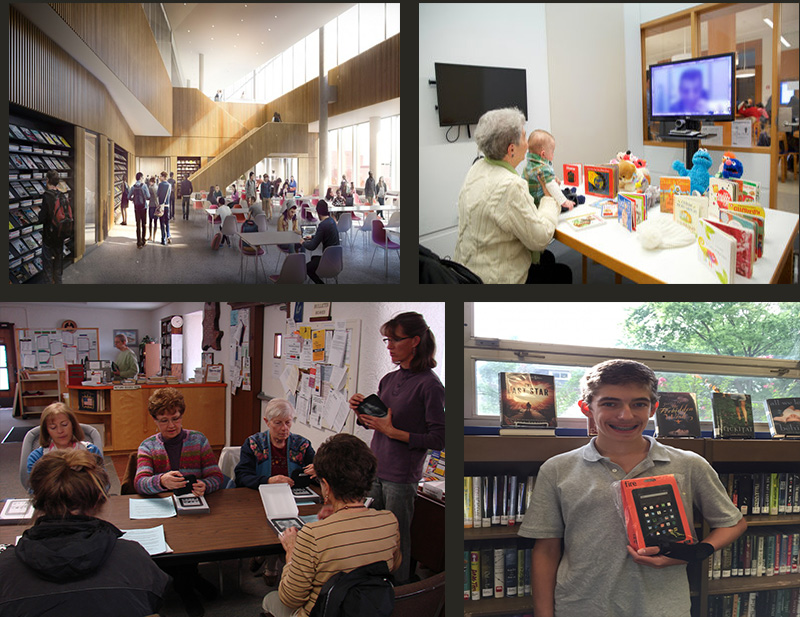
Library Environments That Campaigns Create




Campaign Communications and Stewardship
From First Contact to Long-Term Relationship
Campaign communications is not a marketing function—it is a relationship function. Every piece of communication produced during a capital campaign, from the initial case statement to the construction update newsletter to the dedication program, should deepen the donor's connection to the institution and their confidence that their investment is being used as promised. This requires a communications strategy developed before the quiet phase begins, not assembled reactively as the campaign progresses.
Stewardship—the systematic reporting to donors on how their gifts are being used and what they are achieving—is the most underinvested function in most library development operations. Capital campaign donors expect, and deserve, regular communication about construction progress, program developments, and the human impact of the project they funded. Institutions that treat stewardship as an administrative burden rather than a relationship investment consistently struggle with pledge fulfillment rates and face more difficult major gift conversations in subsequent campaigns.
Digital communications—campaign websites, social media, email newsletters—extend the reach of the campaign narrative to donors and prospects who do not attend events or receive personal calls. They should reinforce the core case for support in formats appropriate to each channel, using photography, video, and data visualization to make the campaign's impact tangible. For institutions building digital library capacity as part of their capital project, digital communications also demonstrate the institution's comfort with the technologies central to the project itself.
Begin Your Campaign Planning
Library capital campaigns require structured feasibility analysis, leadership recruitment, and a case for support that connects architectural investment to community transformation. Aaron Cohen Associates has guided institutions through every phase of this process across academic, municipal, and specialized library environments for more than fifty years.
Whether you are testing the feasibility of a first major campaign, restarting a stalled effort, or preparing a building program that will withstand donor scrutiny, we bring a methodology grounded in real campaigns, real gift tables, and real community outcomes.
Explore related resources: Building the Evidence Base for a Bond Campaign, Library Strategic Analytics Consulting, Strategic Planning for Libraries, and Space and Service Planning.
Contact Aaron Cohen Associates