
Collections,
Automation
and Innovation
Contact Us
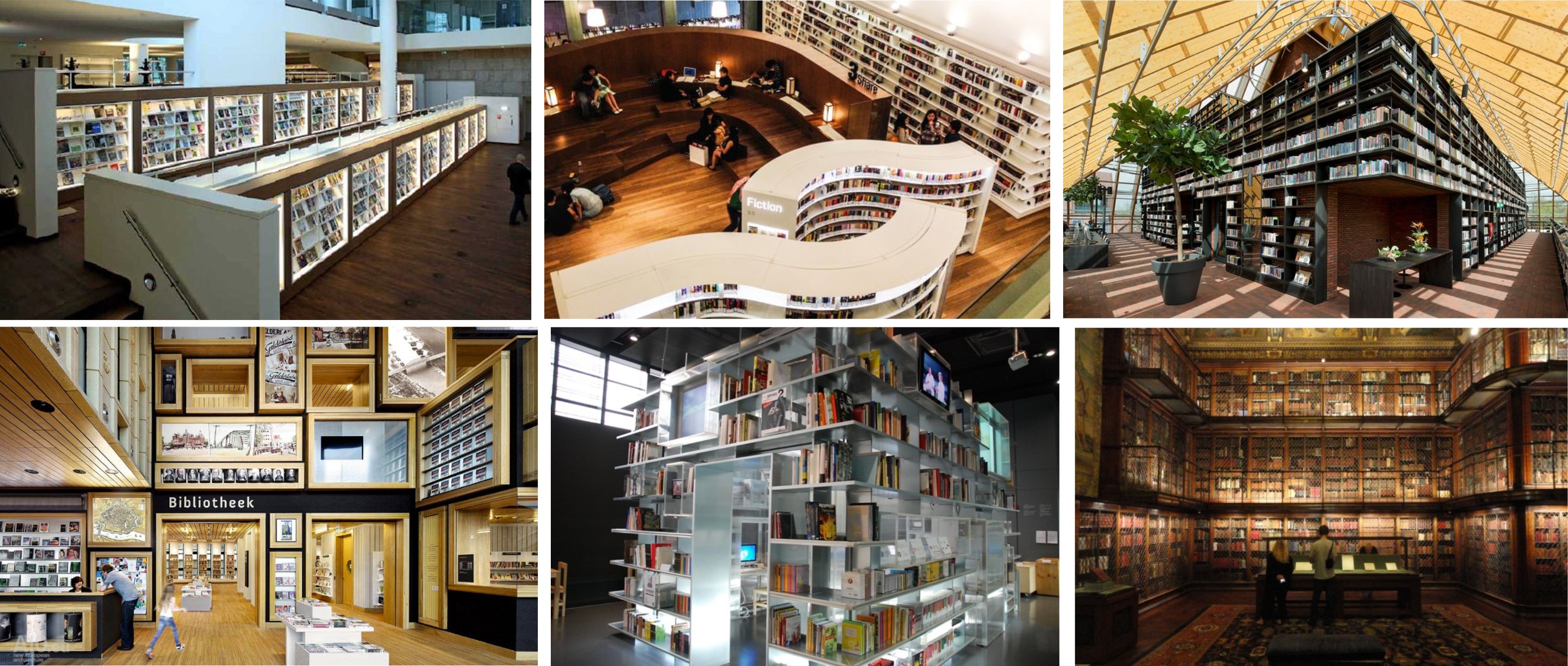
The Challenge
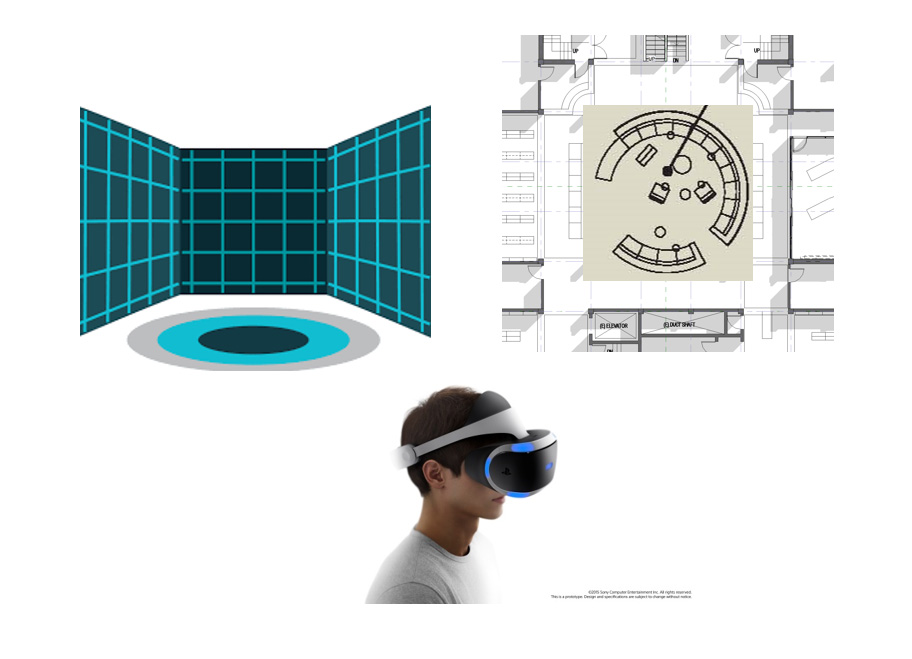
A Story Every Library Director Knows
Picture a research university where the special collections reading room has been quietly losing square footage for fifteen years. Shelving rows crept outward from the stacks into adjacency corridors. Climate-sensitive map folios were relocated to a temporary offsite facility — temporary, that is, until the lease ran six years over its original term. The director knew the collection was sound. The building was not. When the provost's office finally asked for a capital case, the institution discovered it had no programmatic baseline: no shelf-count projection, no environmental audit, no HVAC specifications for the new materials acquired since 2010. The renovation that followed cost thirty percent more than it needed to because the evidence brief had to be assembled from scratch under deadline.
That sequence is not an outlier. We have encountered it in more than fifty institutions across four decades of archival and storage consulting. The antidote is systematic planning, executed before the architect is engaged, not after. This page documents our methodology and the technical standards we apply.
TL;DR
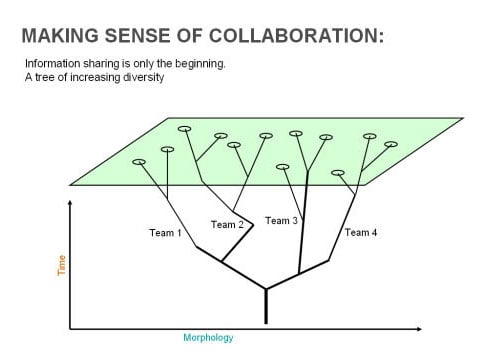
Three-Line Summary
What the problem is: Academic libraries are running out of defensible, environmentally controlled space for collections that took generations to build, and legacy shelving configurations cannot accommodate the retrieval speeds or preservation standards that modern research demands.
What we do about it: Aaron Cohen Associates programs and specifies automated storage and retrieval systems — including Autostore robotic platforms and high-density AS/RS configurations — alongside the HVAC, lighting, and access-control environments those systems require.
Why it matters now: The decisions institutions make in the next planning cycle about storage infrastructure will determine whether their collections remain accessible and competitive for research for the next fifty years.
The Strategic Context
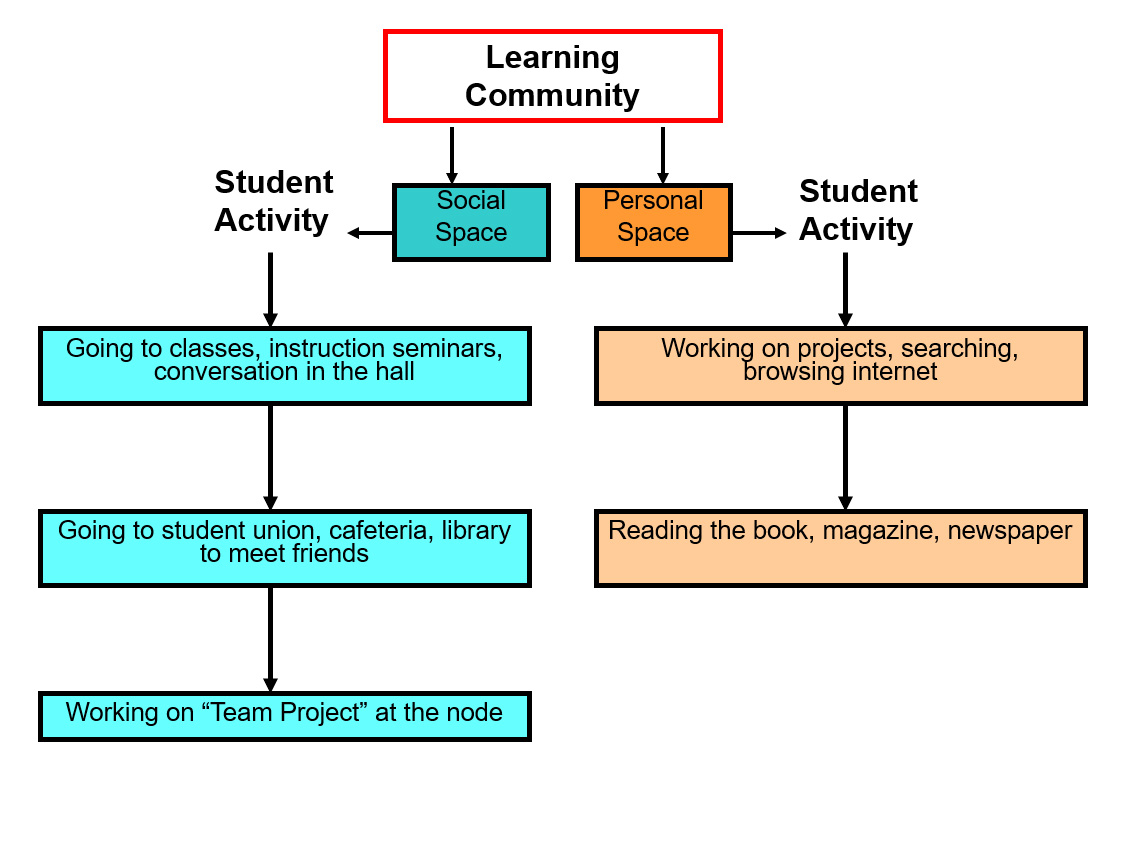
Why Storage Planning Is an Institutional Priority
Today's libraries face unprecedented challenges in managing collections while maintaining fiscal responsibility. College and University presidents and public library boards increasingly recognize that library storage planning is pivotal for maintaining the integrity and accessibility of special collections and archives. The decisions made today about storage infrastructure will determine whether institutions can fulfill their research missions for decades to come.
The landscape of education demands that libraries serve as deep research hubs, not merely repositories. Yet without automated storage planning, even the most distinguished collections risk deterioration, inaccessibility, and ultimately, irrelevance. Campus planners, architects, librarians and facilities managers understand that collection storage infrastructure represents a critical investment in institutional reputation and academic competitiveness.
Our Archival Consulting Services
What We Specify and Plan
Our expertise covers logistics specifications for collections including Autostore AI Robotic Systems and Automated Storage and Retrieval Systems (AS/RS). We program high-density storage configurations, specify the mechanical and structural requirements those systems impose on the building envelope, and produce the evidence briefs that allow institutions to advance capital requests with confidence. For related work on archival facility planning from structure to workflow, see our dedicated methodology page.
Programming and specification of Autostore robotic platforms and AS/RS configurations, including structural load requirements, clearance tolerances, and integration with existing library management systems.
Compact mobile shelving and high-bay static systems designed around actual collection growth projections, not generic square-footage rules of thumb. We work from shelf-count data you hold.
Zone-by-zone climate specifications for general collections, photographs, film, and magnetic media. We write the HVAC brief that your mechanical engineer translates into equipment schedules.
Item-level RFID tagging, sensor networks for real-time environmental monitoring, and workflow analytics that surface retrieval bottlenecks before they affect researcher access.
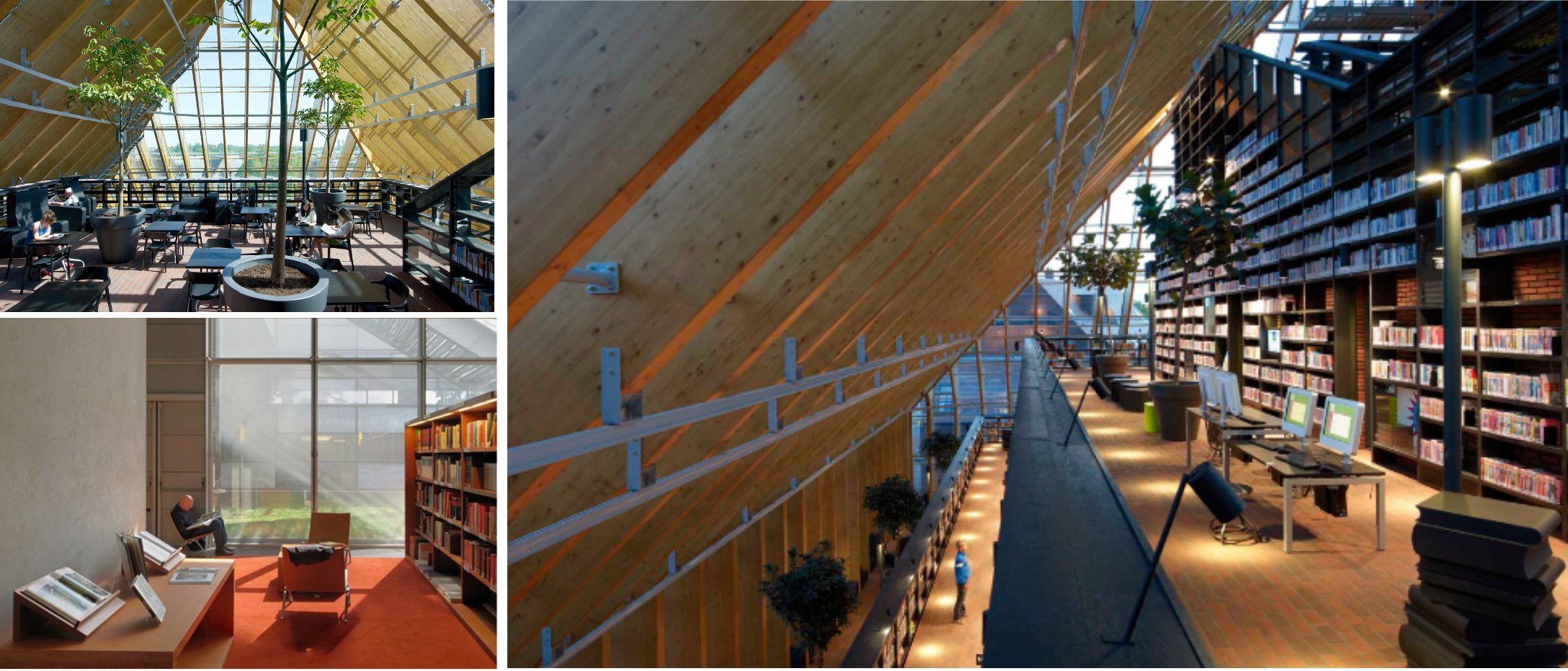
Special Collections Storage

Stakes That Cannot Be Overstated
For university librarians and special collections curators, the stakes couldn't be higher. Collections that took generations to build can be compromised because the print collections configuration are out-of-date.
Certainly, there are ways to improve storage with new technology. We developed the most advanced BookBot system of a University in Europe. This research enabled us to enhance organizational efficiency, facilitate easy retrieval and support academic and research activities. Our library consultant is an expert in all types of library storage systems. We enable institutions to get ahead of their peers.
The BookBot engagement taught us several lessons that we now apply universally. First, robotic retrieval is only as reliable as the cataloguing behind it: metadata quality determines throughput. Second, the building envelope must be designed around the system's operational envelope — ceiling heights, floor load ratings, and electrical capacity are non-negotiable constraints that must be resolved before schematic design, not during construction documents. Third, staff retraining is a planning deliverable, not an afterthought. For the full framework on how we connect storage systems to building structure, see our page on archival facility planning for library building consultants.
Storage Environments

Environmental Standards
Optimal Conditions for Preservation
Properly designed storage solutions ensure that rare and valuable materials are preserved in optimal conditions through precise environmental control. Campus architects, facilities planners and archival managers should adhere to these standards. For the full technical treatment of environmental control systems, see our dedicated page on special collections environmental controls planning.
65–70°F with 30–50% relative humidity, maintained within ±2°F and ±3% RH daily fluctuations. These parameters protect paper-based materials across the broadest range of collection types and represent the minimum standard for any new storage facility.
35–65°F with 30–40% RH, depending on format specificity. Nitrate film, acetate film, and contemporary color prints each carry different thresholds. We write format-specific climate schedules rather than applying a single blanket specification.
60–70°F with 20–30% RH. Audio tapes, videotape, and disk-based media are uniquely vulnerable to hydrolysis at elevated humidity. Storage zones for magnetic media must be isolated from the general HVAC circuit to maintain tighter tolerances.
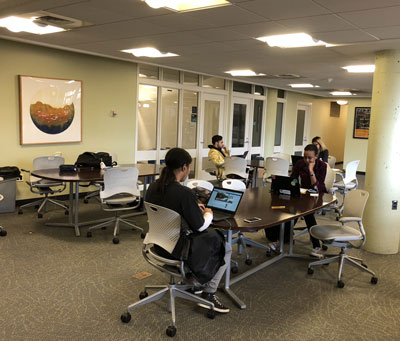
Modern HVAC systems for collection storage must include redundant cooling capacity to prevent catastrophic failures, independent humidity control separate from temperature management, zone-based systems allowing different conditions for varied materials, and energy recovery ventilation to balance preservation with sustainability.
Technology Integration

RFID, IoT, and Workflow Analytics
Contemporary library storage planning is pivotal for maintaining the integrity and accessibility of collections through sophisticated technology integration. Item-level RFID systems have matured to the point where deployment cost is defensible at scale, and the retrieval accuracy gains — typically measured against error rates in manual paging — are quantifiable in the capital case. We specify RFID infrastructure as part of the storage program, not as a separate technology procurement.
IoT sensor networks embedded in storage zones give facilities managers continuous visibility into temperature, humidity, and light-level exceedances. When an environmental alarm is triggered at 2 a.m., the system logs the event, alerts the duty manager, and creates the documentation trail that insurance underwriters and accreditation bodies require. We help institutions select sensor platforms that integrate with existing building management systems rather than creating parallel monitoring silos.
Workflow analytics — derived from retrieval logs, paging request data, and collection use studies — allow collection managers to make evidence-based decisions about what moves to high-density storage, what stays in open access, and what candidates exist for digitization. This connects directly to our broader library technology roadmap consulting practice and to digital transformation services for institutions building parallel digital access to physical collections.
Sustainability and Space
What Storage Optimization Returns to the Campus
University presidents and campus planners face difficult decisions about allocating scarce campus real estate. Library storage planning is pivotal for maintaining institutional research capacity while optimizing space utilization.
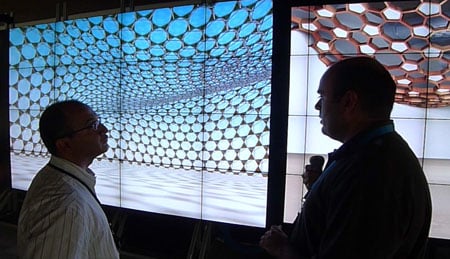
High-density and automated storage systems routinely recover between 40 and 60 percent of the floor area previously occupied by conventional shelving configurations. That recovered space is not incidental: it is programmable square footage that can be converted to collaborative learning environments, faculty research studios, digital scholarship labs, or specialized reading rooms. The capital cost of a high-density storage system is frequently offset within a single planning horizon by the avoided cost of constructing equivalent new space elsewhere on campus.
Sustainability metrics also factor into the institutional case. Automated storage zones require less lighting, less heating, and fewer HVAC air changes than occupied reading or processing areas. Energy recovery ventilation systems, properly specified, reduce the utility cost of maintaining preservation-grade environments. We help institutions calculate and present these operational savings as part of the capital request, alongside the more visible preservation and access arguments. For related frameworks, see our work on library space and service planning and library strategic planning for modern learning ecosystems.
Collaboration and Planning
From Decision to Implementation
University presidents and campus planners face difficult decisions about allocating scarce campus real estate. Library storage planning is pivotal for maintaining institutional research capacity while optimizing space utilization.
Contemporary library storage planning is pivotal for maintaining the integrity and accessibility of collections through sophisticated technology integration. The planning process we follow begins with a collection inventory and growth projection, moves through environmental audit and equipment specification, and concludes with a building program document that the architect can use directly. At each stage we coordinate with the facilities team, the library director, and the campus capital planning office to ensure that the technical specifications align with institutional budget cycles and procurement policies.
Our engagements typically involve the following disciplines working in parallel: archival science, mechanical engineering coordination, structural consultation, library science, and project management. We serve as the integrating consultant — the entity that holds all of these threads together and translates between the technical languages each discipline uses. That integration role is where planning failures most commonly occur, and it is the role that Aaron Cohen Associates has refined across more than five decades of library capital engagements.
If your institution is at the early stages of a storage planning engagement, the right starting point is a structured dialogue about collection size, projected growth, and the building constraints you are working within. We can then identify which system type — high-density manual, compact mobile, automated retrieval, or robotic — best fits your operational context, your budget envelope, and your preservation requirements. Contact us to begin that conversation.
Related Expertise

Connected Planning Disciplines
Automated storage does not exist in isolation. The decisions you make about retrieval systems connect directly to your service point configuration, your digitization program, your facilities master plan, and your collection development policy. The following pages document our methodology in the areas most closely linked to storage planning:
Special Collections Environmental Controls Planning — The full technical treatment of climate, light, and access protocols for fragile holdings, including threshold tables and monitoring specifications.
Archival Facility Planning for Library Building Consultants — Storage standards, structural requirements, fire resistance, and the building envelope specifications that archival storage demands.
Archival Processing Room and Workflow Planning — How the processing room, loading dock, and staging zones connect acquisition to permanent storage, and why adjacency determines operational efficiency.
Digitization Lab Planning for Archives — Infrastructure, environment, and technology roadmap consulting for institutions building digitization programs alongside physical storage systems.
Special Collections Library Planning — The preservation, access, and security framework for programming a special collections facility from the ground up.
Rare Book Reading Room Design — Planning the research room and exhibition gallery as one integrated system when institutions must serve both display and active researcher use.
Contact
Start the Conversation
If your institution is facing collection growth, deteriorating storage conditions, or a capital planning cycle that requires defensible storage specifications, we are ready to help you structure the engagement. Aaron Cohen Associates has guided institutions through every phase of library storage planning, from initial collection audit through system commissioning. The earlier we are involved, the more effectively we can protect the institution from the downstream costs of under-specified infrastructure.
Reach out through our contact page. We will respond within one business day with a preliminary assessment of how we can support your planning process.
Contact Us