
Strategic
Planning
For Libraries
Start the Conversation
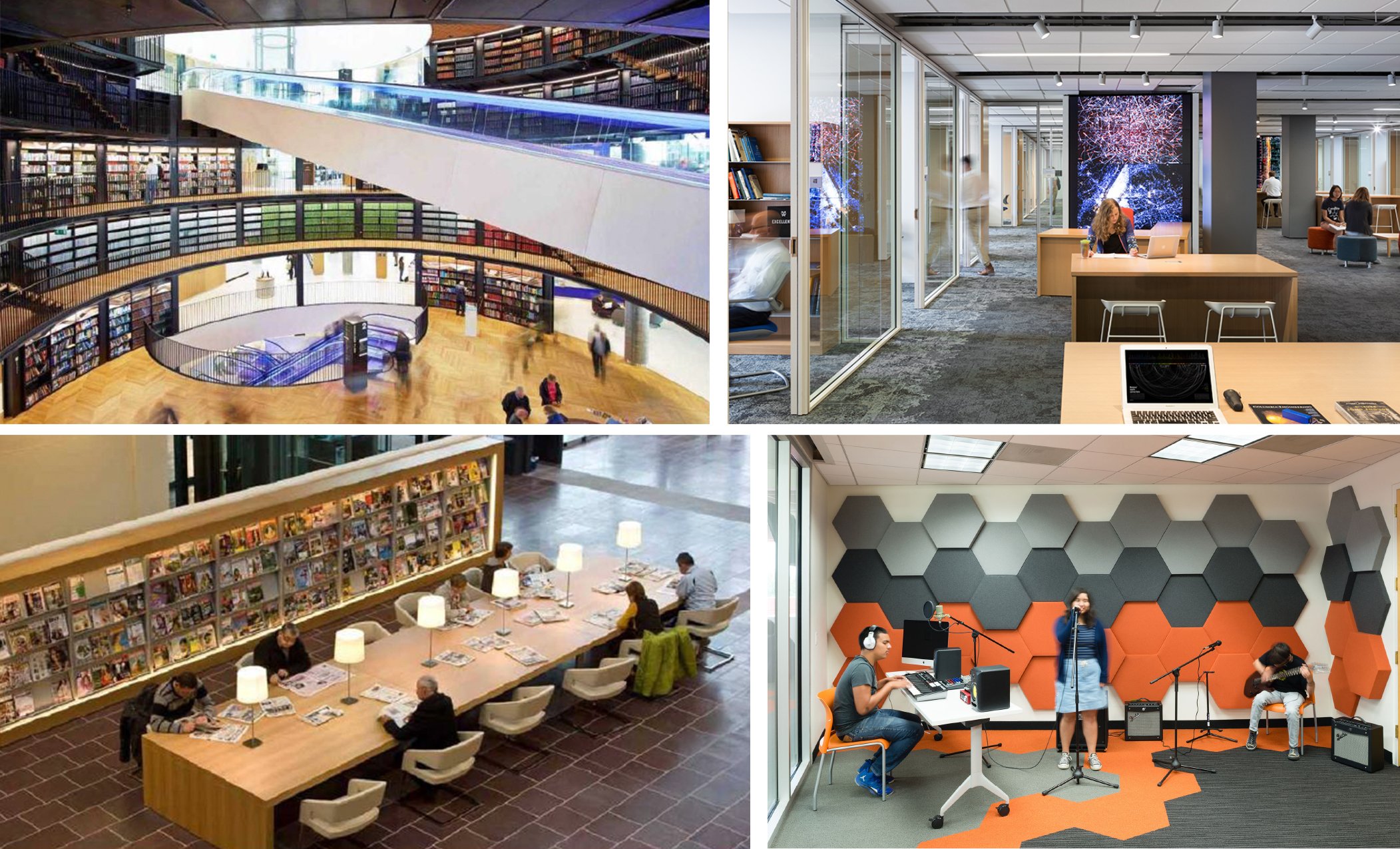
TL;DR
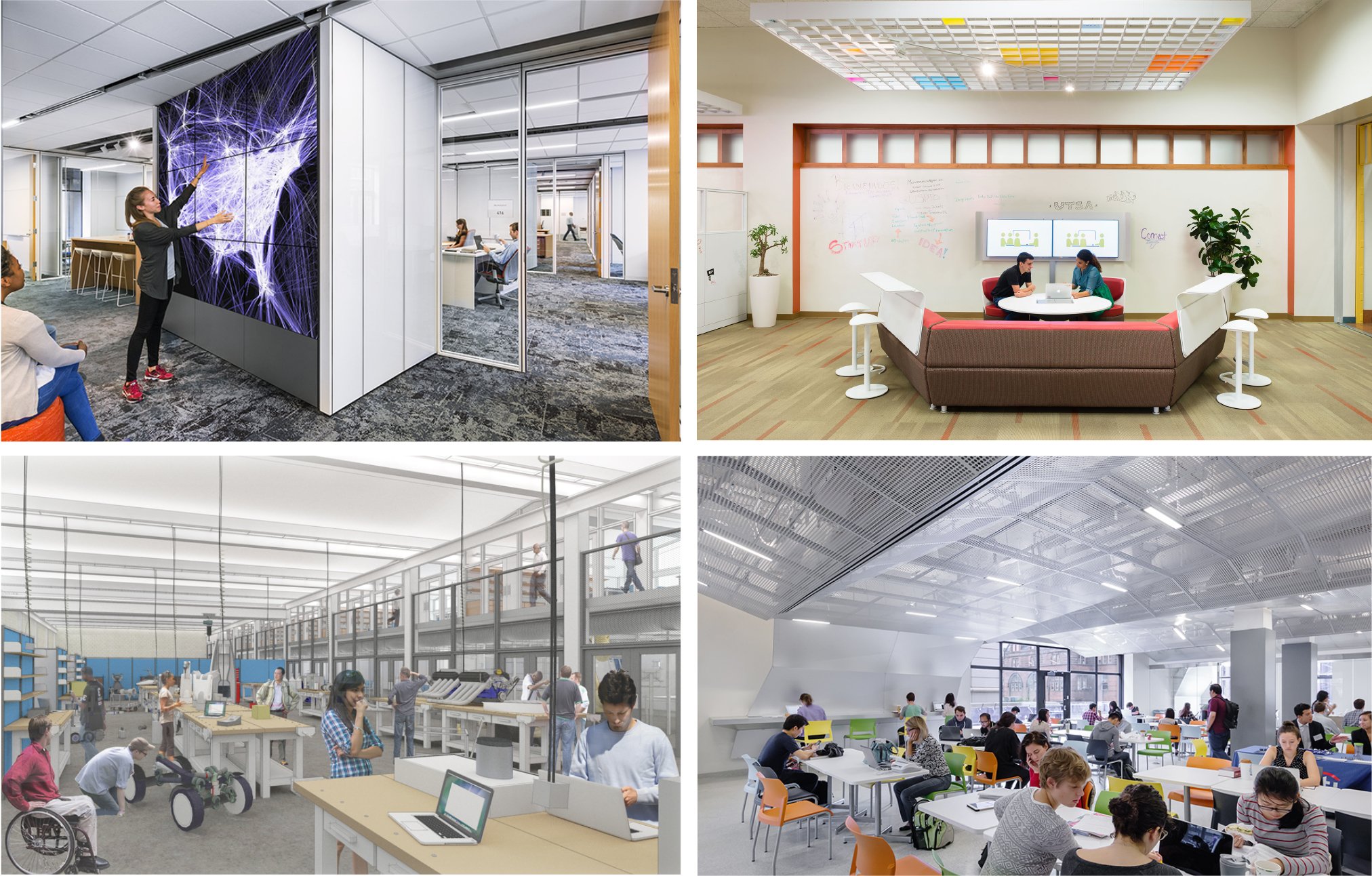
Three things to know before you read on
Strategic library planning is not a document exercise — it is a structured decision-making system that aligns your institution's resources, community needs, and physical space into a coherent, fundable roadmap.
Libraries that skip this process become reactive: they respond to budget cuts and space crises rather than anticipating and shaping them. Those that invest in it gain the evidence base they need to defend capital requests and win community support.
Aaron Cohen Associates brings more than fifty years of on-the-ground planning experience to every engagement — from the initial visual scan through the final facilities program — ensuring that every recommendation is grounded in real institutional data, not generic best-practice templates.
A Familiar Starting Point
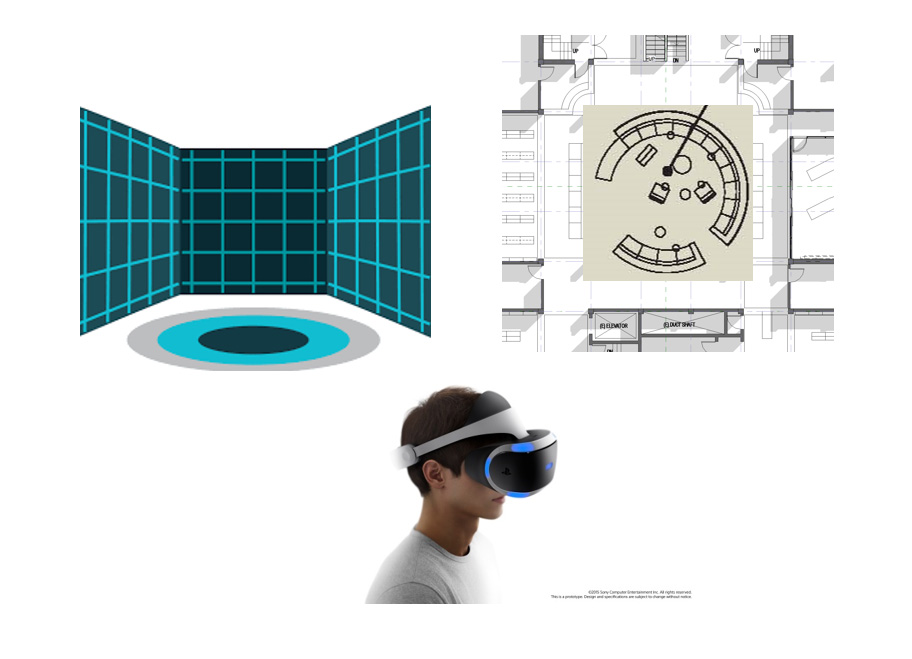
When the building stops telling the right story
Consider a mid-sized academic library that has not changed its floor plan in twenty-two years. Enrollment has grown by thirty percent. The curriculum has shifted heavily toward project-based learning. Students are clustering in the hallways and cafe because the reading rooms offer only individual carrels. The director knows something is wrong. She has enrollment graphs, circulation reports, and two years of informal observation. What she lacks is a planning framework that converts that evidence into a defensible capital request the provost will approve.
That gap — between institutional data and an actionable plan — is exactly where strategic library planning begins. The process we have refined over five decades does not start with furniture catalogs or architectural renderings. It starts with structured questions: What is your community doing inside this building, and what are they choosing to do somewhere else instead? The answers drive everything that follows, from service priorities to square footage programs to phased renovation schedules that survive real budget cycles.
The scenario above repeats itself across academic, public, and specialized library environments worldwide. The institution is not failing — it is simply outgrowing a plan that was written for a different era. Our visual scan methodology and needs assessment process are designed precisely to close that gap, quickly, rigorously, and with documentation that holds up under administrative scrutiny.
Strategic Planning For Libraries

Is your institution ready to transform its library into a modern learning environment?
Aaron Cohen Associates LTD (ACA) has guided library transformation at institutions where the question was no longer whether to change, but how to change with confidence. Is your institution ready to transform its library into a modern learning environment? That question is not rhetorical — it is the entry point into a structured planning process that determines readiness, identifies barriers, and builds the institutional consensus required to move a capital project from concept to completion.
Contact Aaron Cohen Associates to discuss how a comprehensive facilities planning program can enhance your library, increase utilization of scholarly resources, and support your educational mission. Our expertise in library reconfiguration and academic space transformation can help you create spaces that meet the evolving needs of 21st-century students.
We provide education workshops as part of our library planning approach. Here you can learn about modern library design principles, facilities planning methodologies, and consulting services. Whether you're planning a complete reconfiguration or targeted improvements, our evidence-based approach to library transformation can help you create spaces that break down barriers, enhance access, and support academic excellence.
Planning Capabilities
What we bring to every engagement
Strategic library planning is an interactive process that enables libraries to envision their future, identify their goals, and develop actionable plans to achieve them. It is not simply about creating a document that sits on a shelf — it is about charting a course that responds to community needs, leverages organizational strengths, and positions your library for long-term success and sustainability. Each capability below represents a tested methodology, not a consulting framework borrowed from another sector.
We begin every engagement with a structured observation of how your community actually uses the building — not how administrators assume they use it. Patron flow, dwell patterns, peak demand mapping, and service-point utilization are all recorded and interpreted before a single recommendation is made. This is the foundation of defensible planning.
We translate behavioral data and stakeholder priorities into a building program: a room-by-room specification of square footage, adjacency requirements, environmental standards, and capital cost ranges. This document is what your architect needs before schematic design begins, and what your board needs before it approves a budget.
Planning without stakeholder buy-in fails at implementation. We design and facilitate structured workshops that surface real community priorities, build institutional consensus, and produce documented agreements that keep the project on track when budget pressures emerge. Our workshop methodology has been field-tested across academic, municipal, and specialized library environments on four continents.
A ten-year rolling framework that projects enrollment, collection growth, staffing needs, and technology infrastructure against available square footage. We build scenarios — conservative, moderate, and high-growth — so your institution can make capital commitments that remain valid across leadership transitions and budget cycles. This is the instrument that transforms a facilities wish list into a defensible institutional strategy.
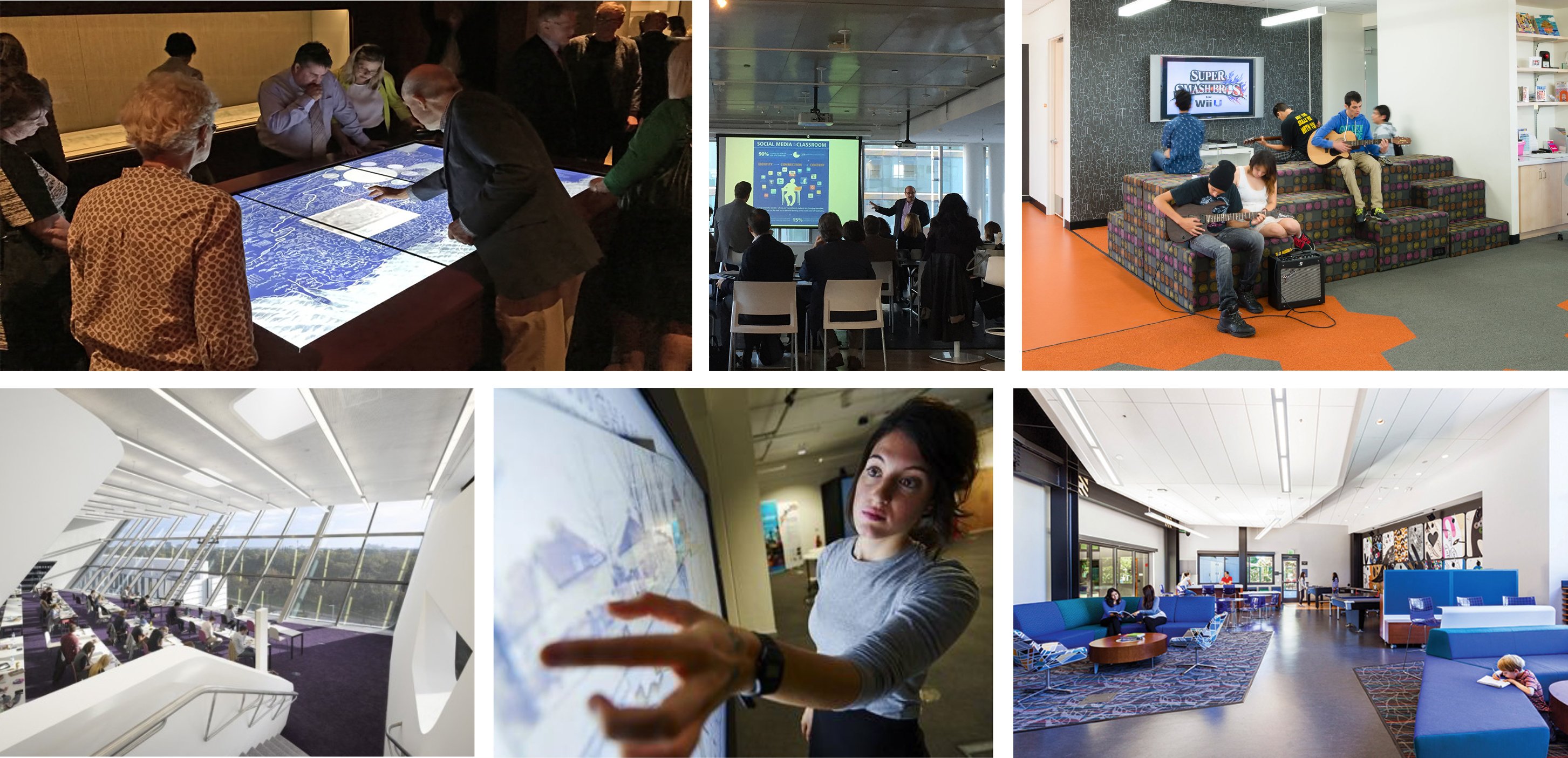
Why Strategic Planning Is Essential

From reactive to proactive institutional stewardship
Without strategic library service planning, libraries risk becoming reactive rather than proactive, responding to crises rather than preventing them, and missing opportunities to serve their communities in meaningful ways. In an era of competing demands for funding and shifting user expectations, service planning isn't just beneficial — it's essential.
The libraries that enter capital campaigns with the strongest evidence bases are not necessarily the ones with the greatest need. They are the ones that invested early in the planning infrastructure required to document that need clearly, quantify the return on investment, and present a phased implementation path that administrators can fund incrementally. Without that preparation, even a genuinely underfunded library loses to a less-deserving project that simply arrives with better documentation.
Whether you're a library director embarking on your first strategic planning process, a board member seeking to understand the methodology, or a campus facilities management professional looking to refine your approach, our library consultants provide the framework and tools you need to create a modern library. We work across academic library environments, public library space planning, and specialized research installations.
Planning in Practice


The Planning Process
A structured sequence that produces fundable outcomes
Strategic library planning is not a linear march from kick-off meeting to final report. It is an iterative dialogue between institutional data, community priorities, and physical constraints. The sequence below reflects the methodology we have refined through hundreds of engagements. Each phase produces a deliverable that becomes input for the next, building a chain of evidence that is difficult for administrators or trustees to dismiss.
We conduct a thorough assessment of the library's current state — space utilization, service patterns, collection density, staffing configurations, and technology infrastructure. We document not only what exists but how it performs against measurable community demand. This phase typically surfaces operational inefficiencies that can be addressed within existing budgets before any capital investment is required.
An understanding of the external environment — demographic shifts, enrollment projections, funding landscape, peer institution benchmarks, and emerging service models — is essential to setting realistic long-range goals. We draw on five decades of cross-institutional data to contextualize your library's position and identify the planning assumptions that are most likely to remain valid over a ten-year horizon.
A clear articulation of the library's desired outcomes is the most underestimated step in the planning process. Without it, every subsequent decision becomes a matter of competing preferences rather than institutional priorities. We facilitate structured dialogue sessions that convert stakeholder input into ranked, fundable objectives — a process documented in our digital library service plan methodology.
The final deliverable is not a vision statement — it is a phased implementation roadmap with cost estimates, timeline milestones, responsibility assignments, and success metrics. This is what distinguishes a strategic plan from a strategic wish list. Our implementation frameworks are designed to survive leadership transitions, budget reductions, and the inevitable mid-project scope negotiations that every capital project encounters.

Who We Work With
From first engagement to long-term partnership
Whether you're a library director embarking on your first strategic planning process, a board member seeking to understand the methodology, or a campus facilities management professional looking to refine your approach, our library consultants provide the framework and tools you need to create a modern library.
We work with academic institutions that are facing enrollment-driven space pressure and need a defensible building program before they approach an architect. We work with public libraries that are rebuilding their service model around community learning centers rather than traditional circulation. We work with specialized research libraries — law, medical, corporate, government — that are restructuring collections and digital access to reflect how their users actually retrieve and apply information today.
In every case, the planning process is the same in its structure and discipline, even as the content and priorities differ. That methodological consistency is what allows us to bring cross-sector insight to every engagement — a solution that worked in a university library science program may translate directly to a government research installation, once you understand the underlying behavioral patterns that both share. Explore our work across academic strategy, digital transformation, and the full range of library consulting services we provide.
If you are ready to move from observation to action, the first step is a conversation. Contact Aaron Cohen Associates to discuss where your institution is in its planning cycle and what a structured engagement would look like given your timeline and budget constraints.
Begin Your Planning Process
Strategic library planning works best when it begins before the pressure is acute — before the board has already committed to a renovation budget, before the architect has been selected, before the community has formed competing expectations about what the new library will look like. The earlier we enter the process, the more options we can preserve and the more defensible your final plan will be.
Reach out to discuss your institution's current situation, your planning timeline, and what a focused engagement with Aaron Cohen Associates would look like. We work with institutions at every stage — from first strategic conversation through post-occupancy evaluation of completed projects.
Contact Aaron Cohen Associates