
Developing
the Cohen
Method
Explore the Framework

The Challenge

A Framework That Can Change Everything
Picture a director of a mid-sized university library in year three of a capital project. The architect has produced schematics. The building committee has approved a budget. And yet something fundamental has not been decided: what, exactly, should this building do that the previous one failed to do? The director has circulation data, stack measurements, and a list of service complaints. What she does not have is a systematic way to translate fifty years of institutional memory, shifting pedagogical priorities, and an accelerating digital transition into a coherent spatial and service argument. That is the problem the Cohen Method is designed to solve—not by offering a checklist, but by providing a repeatable, philosophically grounded framework for institutional transformation.
Every methodology that has reshaped professional practice—from Marie Kondo's KonMari system to lean manufacturing to evidence-based design in healthcare—succeeded because it combined a clear philosophy with a teachable sequence of steps and a vocabulary that practitioners could share. Libraries need exactly that kind of scaffolding. The Cohen Method is our answer.
TL;DR
Three Lines That Frame This Work
The Cohen Method is a scalable, philosophically grounded transformation framework that helps libraries navigate digital-age change through integrated physical and digital service planning—doing for institutional libraries what KonMari did for personal organization.
It is built on fifty years of project intelligence across academic, public, government, and specialized research environments, converted into a repeatable, monetizable methodology that positions Aaron Cohen Associates as the defining thought leaders in library transformation.
The research pathway is multi-dimensional: business model intelligence, library sector analysis, and thought leadership mapping—each informing the next until the method is complete, teachable, and defensible at the highest institutional level.
Research Strategy
COMPREHENSIVE RESEARCH STRATEGY GUIDE
Topic: Creating a transformative methodology for libraries—analogous to Marie Kondo's KonMari Method for personal organization—that helps libraries navigate digital-age transformation through physical and digital service development.
Core Objective: Develop the "Cohen Method" as a scalable, monetizable framework that positions Aaron Cohen Associates as thought leaders in library transformation.
Research Pathway: Multi-dimensional approach combining business model intelligence, library sector analysis, and thought leadership mapping.
Field: Library Space Planning & Architectural Design • Level: Professional Researcher
Your Research Challenge
Introduction: Your Unique Challenge in the Library Innovation Landscape
You are embarking on an ambitious and intellectually sophisticated project that sits at the intersection of library science, organizational transformation, brand development, and strategic consulting. Your goal is not simply to research library space planning—you are attempting to create an entirely new methodology, a "Cohen Method" that does for libraries what Marie Kondo's KonMari Method did for personal organization.
This is fundamentally a creative synthesis project that requires a structured, multi-dimensional research engagement. The capabilities driving it are listed below—each one essential to the architecture of a method that will hold up against institutional scrutiny, generate licensing and training revenue, and outlast any single project engagement.
Understanding the KonMari business model architecture at a deep structural level—how philosophy becomes product, how product becomes curriculum, and how curriculum becomes a scalable revenue ecosystem independent of any single client engagement.
Identifying transferable principles that can migrate from personal organization to institutional transformation—recognizing which structural elements of a consumer methodology survive the translation into large, complex, politically layered organizations like libraries.
Developing a unique philosophical framework for library evolution in the digital age—one that is specific enough to be actionable, expansive enough to apply across library types, and durable enough to function as the ideological spine of a consulting practice.
Creating a scalable, monetizable ecosystem around Aaron Cohen Associates' expertise—mapping the method to training programs, licensing agreements, certification pathways, and publication opportunities that generate revenue at every stage of adoption.
Thought Leadership
Positioning Aaron Cohen Associates
The fifth dimension of this research challenge is positioning: mapping the existing thought leadership landscape in library transformation, identifying the gaps that the Cohen Method is uniquely qualified to fill, and constructing the publication and presentation strategy that establishes Aaron Cohen Associates as the authoritative voice in this space. Positioning is not marketing—it is intellectual cartography. You have to know what has already been said, by whom, and to which audience, before you can determine where the most defensible and valuable territory remains unclaimed.
This research challenge is not a literature review. It is not a competitive analysis. It is the design of an entire intellectual enterprise. The Cohen Method, once fully developed, should function as a branded framework with the same recognizability in library consulting that Lean has in manufacturing or Evidence-Based Design has in healthcare architecture. That level of institutional authority does not emerge from a single white paper. It is built systematically, over time, through the deliberate accumulation of published work, trained practitioners, completed projects, and cited outcomes.
The research pathway that follows is designed to give you the intelligence you need to build that enterprise on a foundation that is analytically rigorous, sector-specific, and commercially viable from the first engagement.
The Method in Practice
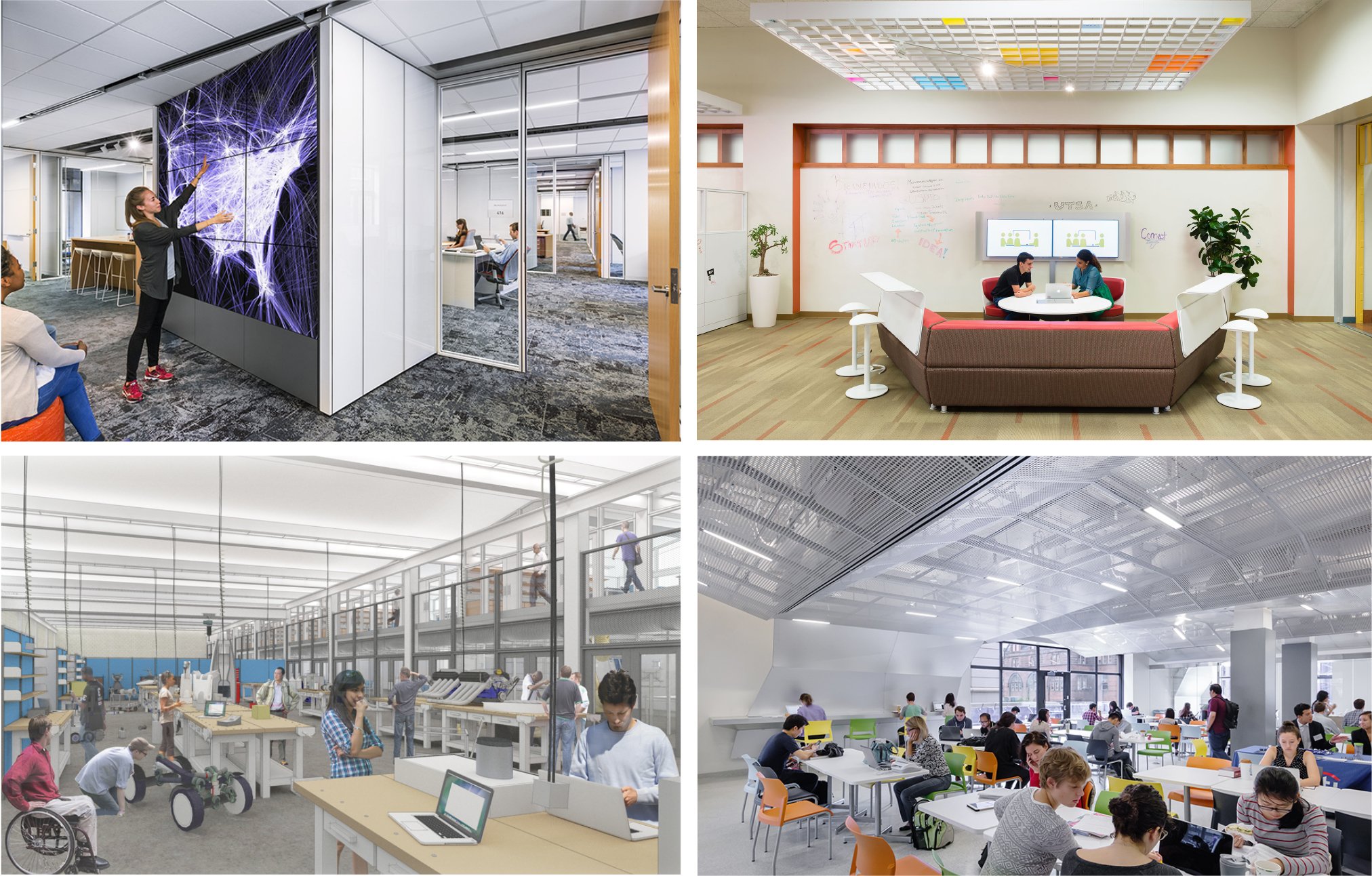

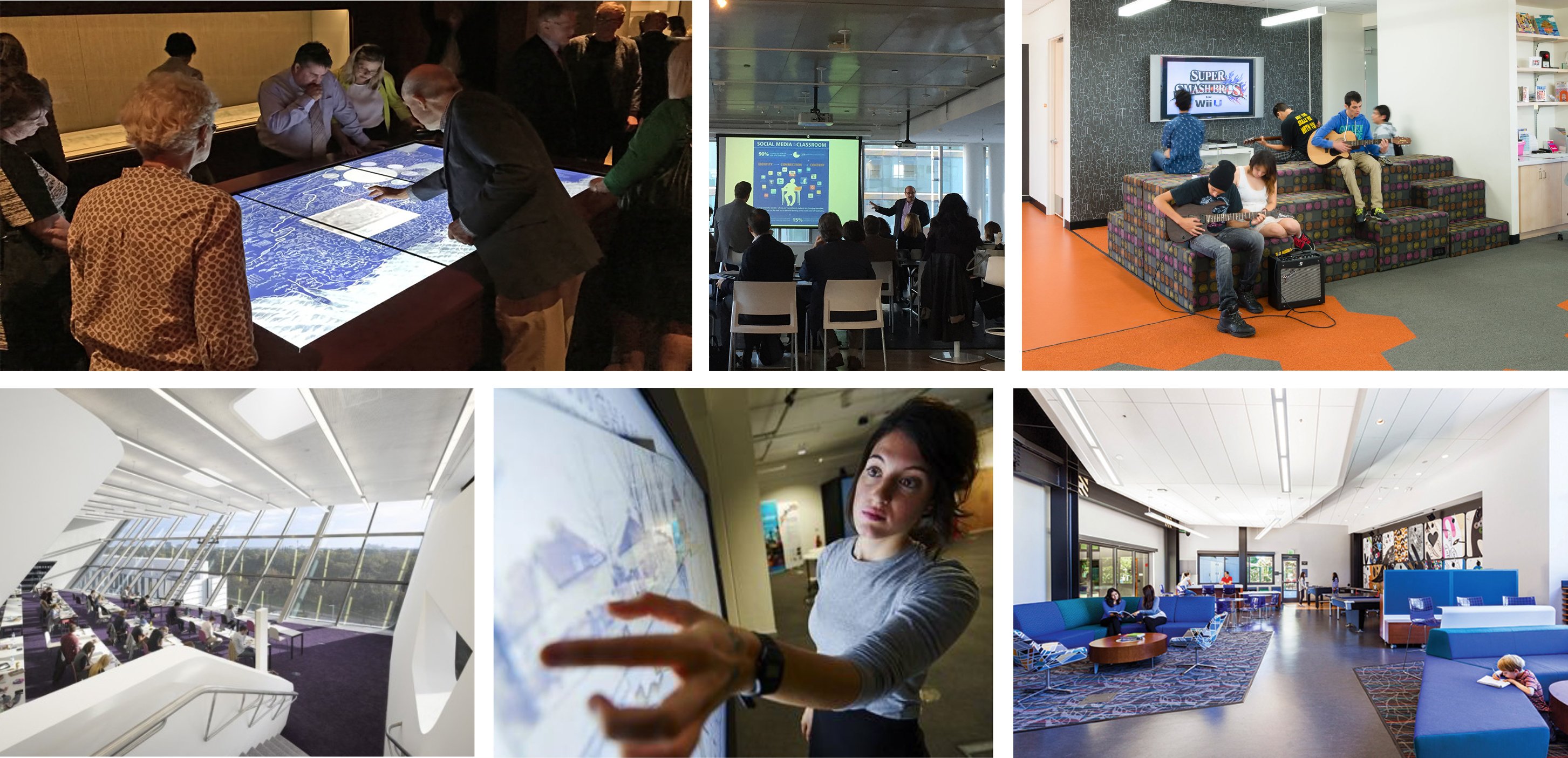


Research Dimensions
The Multi-Dimensional Research Architecture
Building a named methodology requires more than intellectual depth in a single discipline. The Cohen Method must be defensible across business strategy, library science, organizational behavior, and thought leadership theory simultaneously. The research dimensions below define the lanes of inquiry that must be pursued in parallel, then synthesized into a unified framework.
Mapping the current state of library transformation across academic, public, government, and specialized research sectors—identifying the recurring failure modes, the successful adaptations, and the structural conditions that make certain institutions capable of genuine transformation while others remain frozen. This analysis draws on decades of library evolution research and direct project experience across hundreds of installations.
Analyzing how successful consulting methodologies—KonMari, Lean, Six Sigma, Evidence-Based Design—were packaged, priced, trained, and licensed. The goal is not imitation but structural intelligence: understanding which architectural decisions made those methods durable, scalable, and resistant to commoditization. The Cohen Method must have the same structural integrity from day one.
Surveying the existing publication landscape in library transformation, strategic planning, and architectural innovation to identify where authoritative voices are missing, where existing frameworks are insufficient, and where Aaron Cohen Associates' fifty years of project intelligence creates a natural and defensible claim to intellectual authority.
The final research dimension is synthesis: taking the intelligence gathered across all prior lanes and converting it into a named, structured, teachable framework. The Cohen Method must have a philosophy, a sequence, a vocabulary, and a set of diagnostic tools that practitioners can apply consistently across projects. This is the work of building an intellectual system, not writing a report.
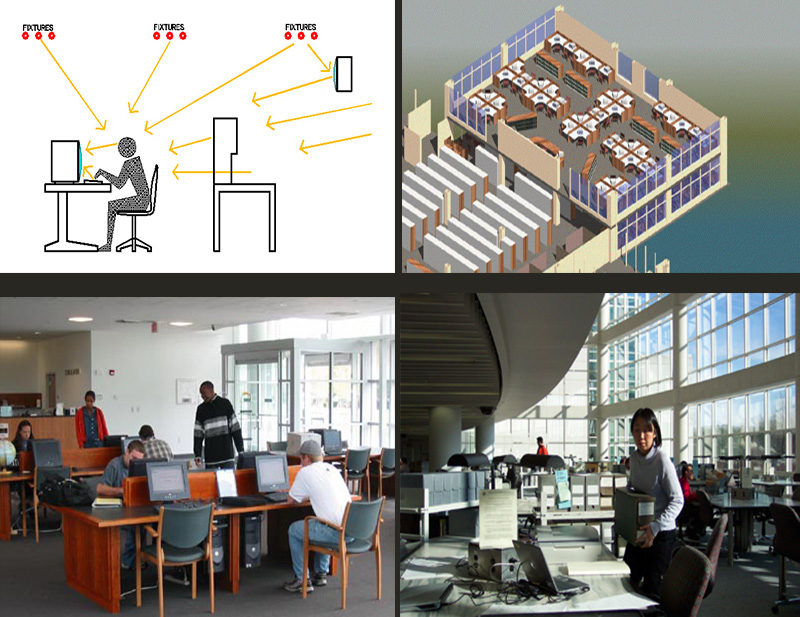
The Research Pathway
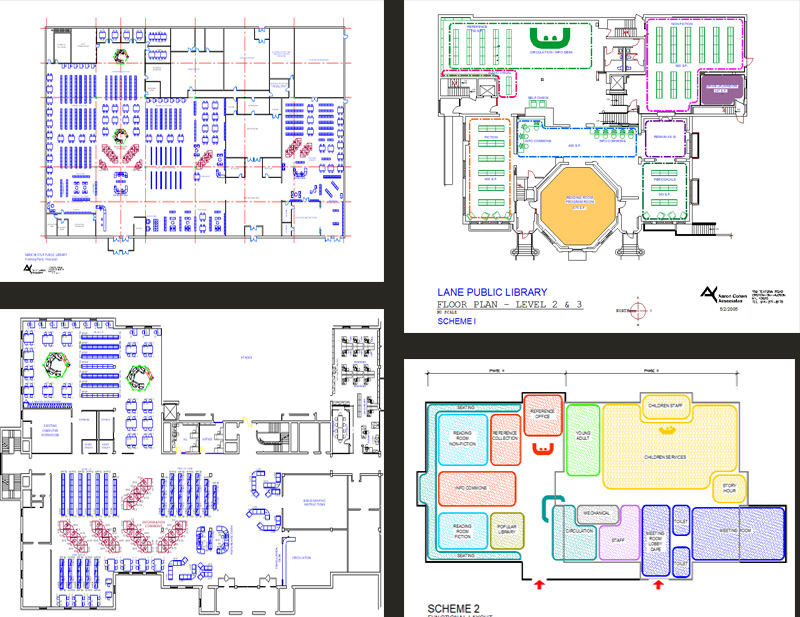
From Intelligence to Enterprise
The research pathway is explicitly multi-dimensional: business model intelligence, library sector analysis, and thought leadership mapping do not proceed in sequence—they run in parallel, each informing the others in a continuous feedback loop. A finding in the sector analysis reshapes what you are looking for in the business model literature. A gap identified in the thought leadership map clarifies which philosophical elements of the framework need the most rigorous development.
This is the kind of research architecture that produces durable intellectual property rather than a single consulting report. Every deliverable generated along the pathway—a sector analysis, a business model comparison, a philosophical statement of the method's core principles—is simultaneously a research output and a potential publication, training module, or licensing asset. The pathway is designed to be generative, not merely investigative.
The Cohen Method, fully realized, positions Aaron Cohen Associates not simply as a consulting firm with deep experience in library planning services and strategic planning—but as the organization that defined how libraries transform in the digital age. That is the ambition this research pathway is designed to serve.
The Monetizable Ecosystem
Building Revenue at Every Stage of Adoption
A methodology that cannot be monetized is a manuscript. The Cohen Method is designed from the outset to generate value at every stage of adoption: from the initial diagnostic engagement, through facilitated training workshops, through licensed application by trained practitioners, through published frameworks that drive inbound consulting inquiries. Each layer reinforces the others.
The diagnostic engagement—a structured application of the Cohen Method's assessment tools to a specific institution—generates immediate project revenue while also generating case study material that feeds the publication and training pipelines. The training workshop converts that case study material into curriculum. The certification program converts trained practitioners into a distributed delivery network. The publication strategy converts the entire body of work into a continuously updated intellectual asset that attracts new clients and reinforces the firm's authority at every level of the market.
This is not a speculative revenue model. It is the same architecture that has made every successful named methodology in professional consulting commercially durable across decades of market change. The research challenge is to understand that architecture well enough to replicate its structural logic—and then to populate it with the specific intellectual content that only Aaron Cohen Associates can provide: fifty years of project intelligence, a documented track record across hundreds of library types and sectors, and a philosophical commitment to the library as an active institutional engine rather than a passive storage facility.
That is the enterprise this research strategy guide is designed to build. The pages that follow map each research dimension in detail, with specific sources, analytical frameworks, and synthesis protocols for each lane of inquiry.
Related Planning Resources

Deepen Your Research Foundation
The Cohen Method draws on a body of planning intelligence that spans every library sector and every dimension of institutional transformation. The resources below represent the most directly relevant bodies of work from this firm's fifty-year practice—each one a tested framework that has contributed to what is now being synthesized into the Method.
For the space planning foundation of the Method, the most essential starting points are Library Space & Service Planning and Library Master Planning: Aligning Space, Services, and Institutional Mission. These documents carry the structural logic of the Method's physical dimension.
For the strategic and organizational transformation dimension, begin with Academic Library Consulting & Strategy: A Better Way to Make Strategy and Library Consulting & Strategic Planning for Modern Learning Ecosystems. These frameworks address the institutional and political conditions that determine whether a transformation effort succeeds or stalls.
For the digital service development dimension, the essential reference is Digital Assets and Digital Transformation of the Library, supplemented by Building a Digital Library From Scratch: Start With Questions, Not Platforms and Digital Literacy and the Academic Library.
For the sector-specific application of the Method's principles, the firm's project portfolios across academic institutions, public libraries, government libraries, and law libraries provide the empirical base from which the Method's diagnostic tools are drawn.
Begin the Conversation
The Cohen Method is at the stage where the most valuable next step is a structured conversation with the people who are already living the problems it is designed to solve. If your institution is navigating a transformation challenge—whether it involves a capital project, a service redesign, a digital transition, or a strategic planning process that has stalled—that conversation is where the Method's value becomes concrete.
Aaron Cohen Associates has guided library transformation for more than fifty years across academic, public, government, and specialized research environments. We bring the same analytical rigor to your institution's specific challenge that we bring to the development of the Method itself.
Contact Aaron Cohen Associates