
Bibliometrics
for Strategic
Library Planning
Talk to a Consultant

At a Glance
TL;DR
Bibliometric analysis converts raw library data — circulation patterns, citation networks, subject-use trends, and digital resource uptake — into defensible evidence for capital decisions, collection strategy, and space programming. It moves planning from intuition to institutional intelligence.
Aaron Cohen Associates applies bibliometric frameworks alongside our Visual Scan methodology to give administrators a clear, data-grounded picture of how their communities actually use the library — and what they urgently need next.
Whether you are defending a capital budget, redesigning a learning commons, or repositioning a research collection, this process produces findings that survive board scrutiny, bond-campaign review, and architectural programming.
A Familiar Situation
When the Data Finally Spoke
A research university library director had been asking for a renovation for six years. The building was crowded every afternoon, graduate students complained they could not find quiet carrels, and the science collection occupied prime first-floor real estate that circulation data quietly revealed had not been touched in four years. Every budget cycle, the provost's office asked for evidence. Every cycle, the library submitted square-footage maps and anecdotal surveys. Every cycle, the request was deferred.
When our consultants were engaged, the first step was not drawing. It was data. We mapped subject-level circulation against enrollment trends, overlaid digital journal uptake against print holdings by LC class, and ran citation-network analysis to identify which disciplines were actually driving research output. Within eight weeks, the story the building had always been telling became legible: forty percent of the occupied shelf space served fewer than three percent of active researchers. The graduate reading room, by contrast, was at capacity from noon to midnight.
That evidence brief funded the renovation. The provost signed off in one meeting. The process we used is the same one this page describes.
Mapping circulation, digital access logs, and physical occupancy data to reveal where the community actually works — and where resources sit idle.
Identifying the disciplines and subject clusters driving institutional research output so collection and space investments target real scholarly momentum.
Projecting publication rates, emerging interdisciplinary fields, and resource demand so the building program anticipates the next decade, not just today's bottlenecks.
Translating bibliometric findings into defensible square-footage programs: which collections compress to compact or offsite, which zones expand for collaboration, and where service points reposition for patron flow.
Bibliometrics for Strategic Library Planning
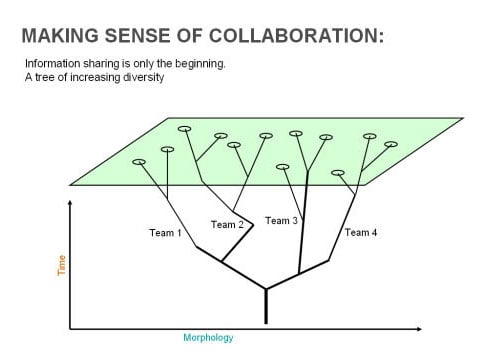
Many factors alter the success of a library. Bibliometrics, the quantitative study of bibliographic data, offers a powerful lens through which to understand and optimize library operations. Far beyond simply counting books, modern bibliometric analysis leverages data on usage, citation patterns, author networks, and subject trends to inform strategic decisions regarding collection development, space allocation, and service prioritization. Historically, libraries relied on circulation statistics and subjective assessments; today, we can employ a process, with our building program tools and architectural 3D generators, to reveal nuanced patterns of library use and activity.
This methodology connects directly to our broader library master planning framework, which coordinates space, collections, technology, and staffing across a ten-year rolling horizon. Bibliometric data is the evidence layer that makes that framework credible to trustees, provosts, and municipal budget committees.
Common Challenges We Solve
Outdated and Overcrowded Spaces
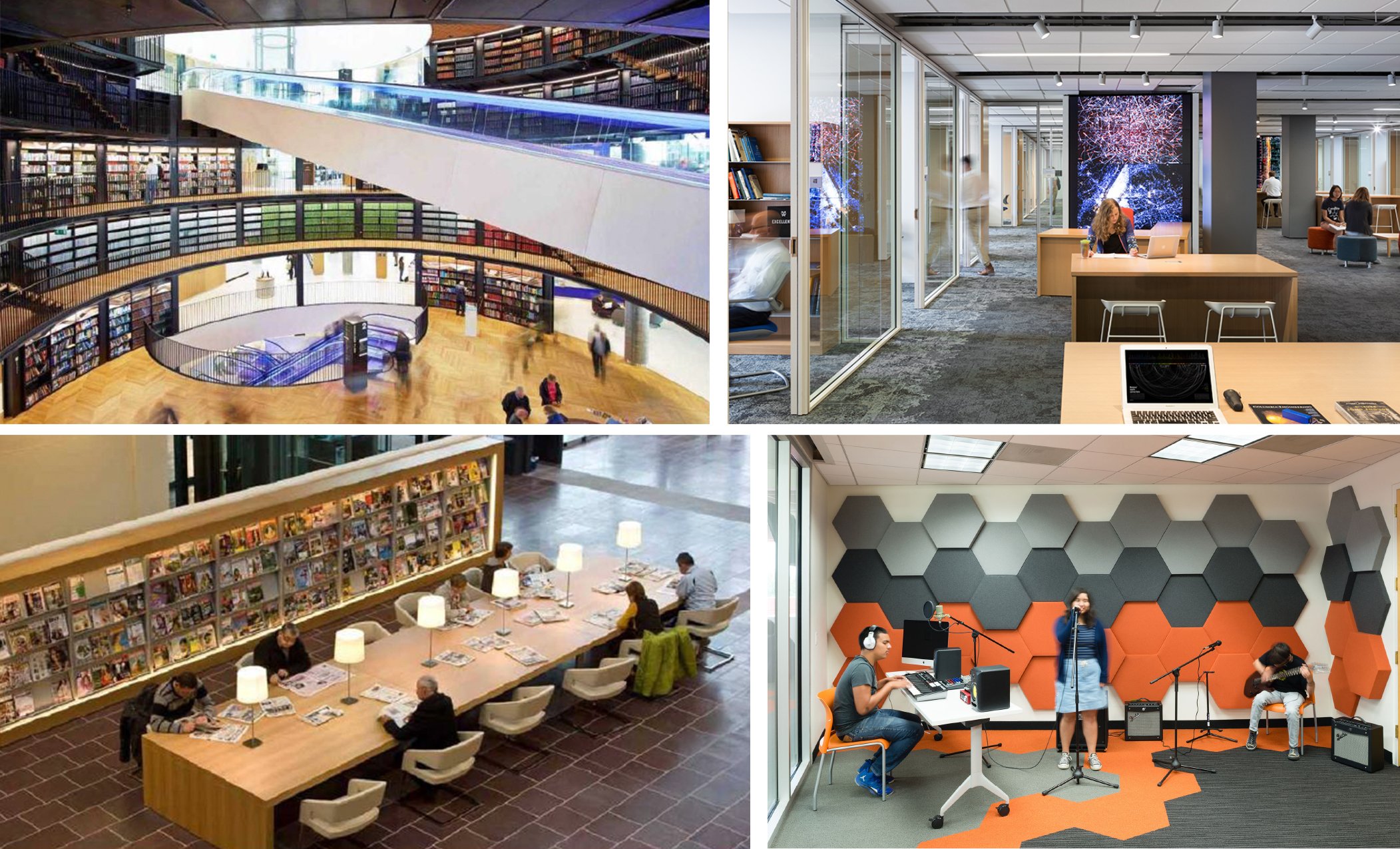
Does your library feel outdated and overcrowded? We understand this is a common challenge. Our bibliometric analysis will pinpoint areas of high demand and underutilized space, allowing us to develop a strategic plan for optimizing your library's layout and creating a more welcoming and functional environment.
This is not a cosmetic exercise. When usage data shows that a print periodicals room is at three-percent occupancy while the adjacent group study area runs at standing capacity every afternoon, we have the evidence to reconfigure — and the architectural programming expertise to execute it. The result is a building that serves the community it actually has, not the one it was designed for twenty years ago.
Justifying Funding Requests
Do you need help justifying a request for funding? We can develop a compelling case for funding based on data demonstrating the library's impact on children's services, student success, research productivity, and institutional reputation / celebration. Our reports will highlight the return on investment for library resources and services.
A well-constructed evidence brief — grounded in circulation trends, digital resource uptake, and research output correlation — changes the conversation with a provost or municipal council. It moves the library from a cost center to a demonstrable driver of institutional success. For capital campaigns, see also our work on library capital planning and bond campaign evidence.
Better Supporting Your Community
How can we better support our community? We will analyze space use patterns and digital collections to identify key research areas and emerging trends. This will inform our recommendations for specialized collections, research support services, and collaborative spaces tailored to your researchers' needs.
Community alignment is not aspirational — it is methodological. Through structured dialogue sessions and the Visual Scan, we bring patrons, faculty, researchers, and administrators into the analysis. The result is a service profile that reflects genuine institutional priorities rather than assumptions inherited from the previous planning cycle.
Library Environments We Plan

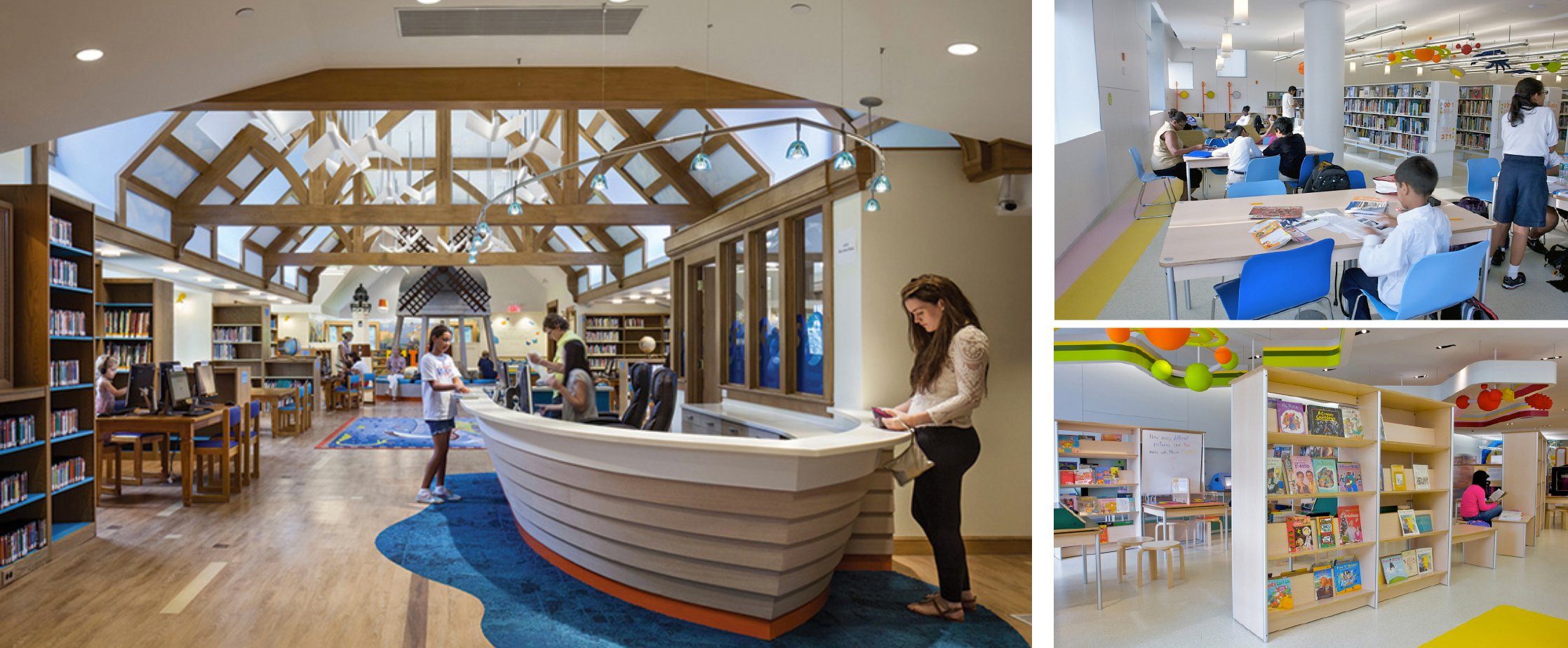
Historical Context & Programming Improvements
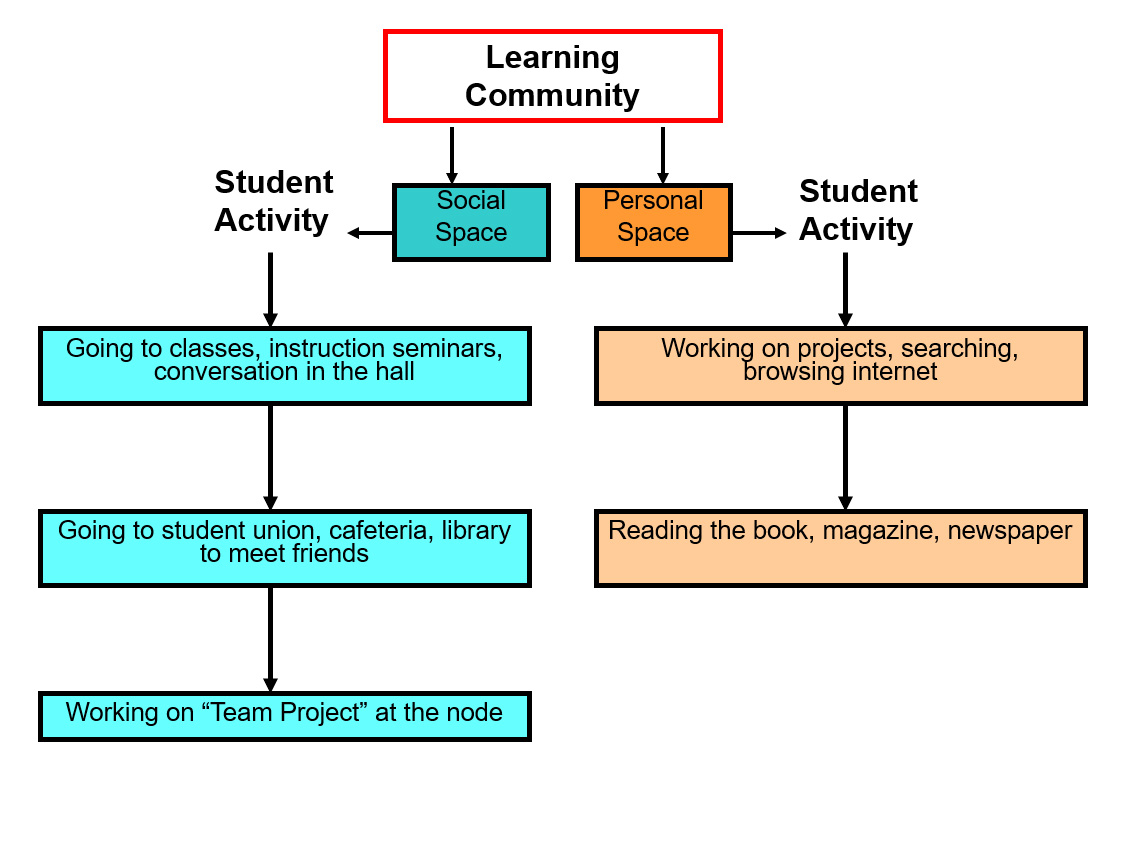
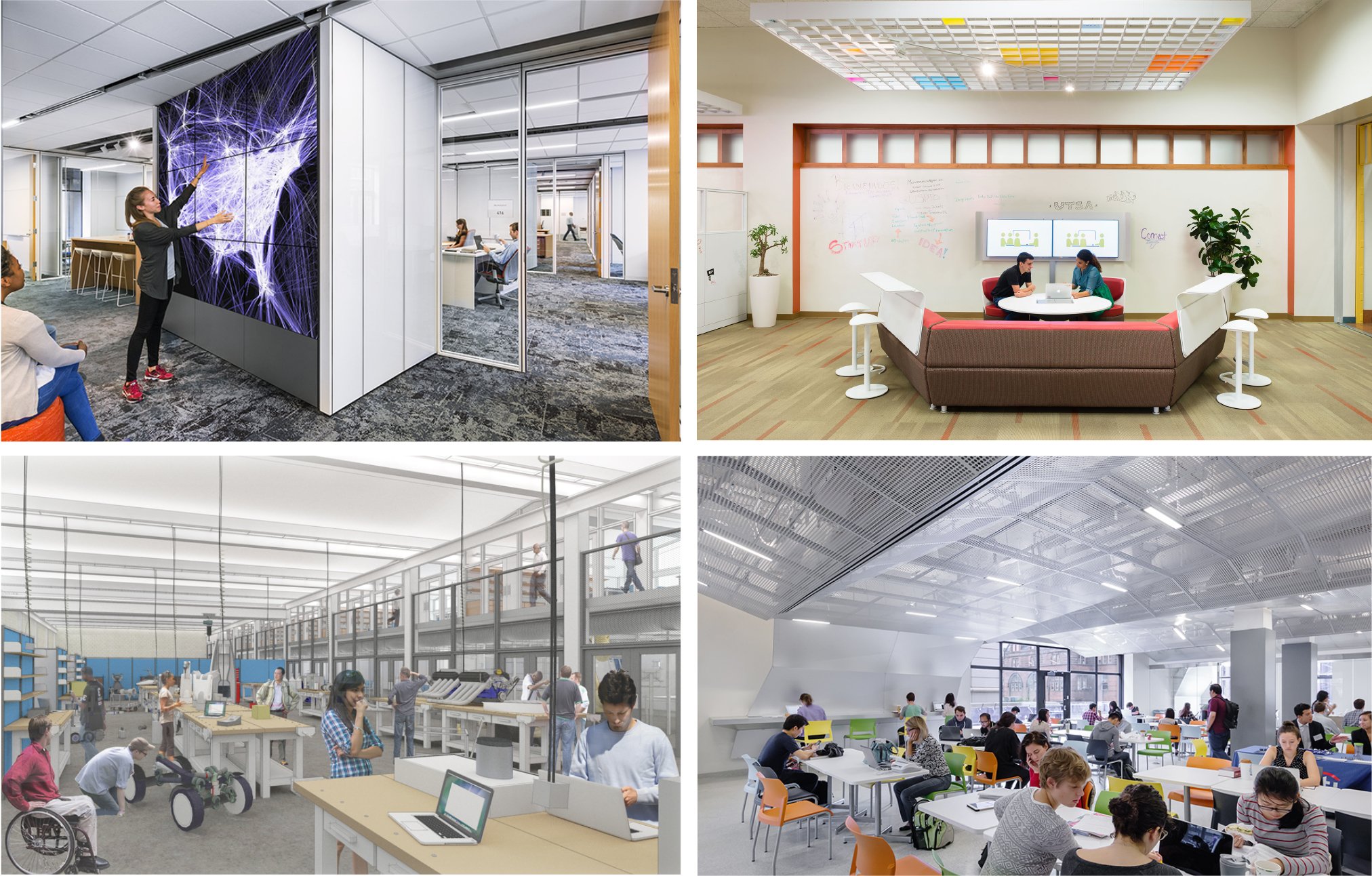
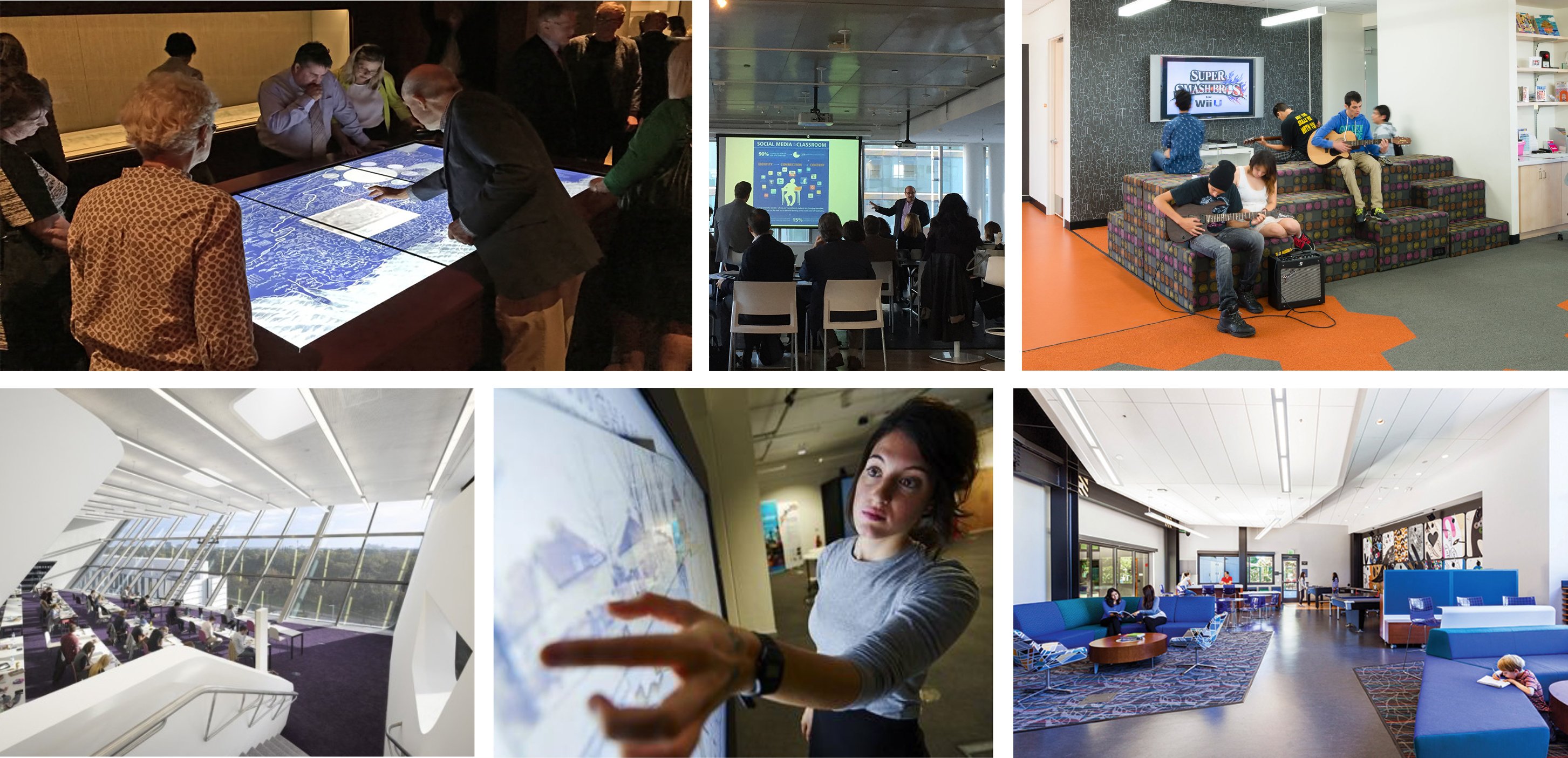
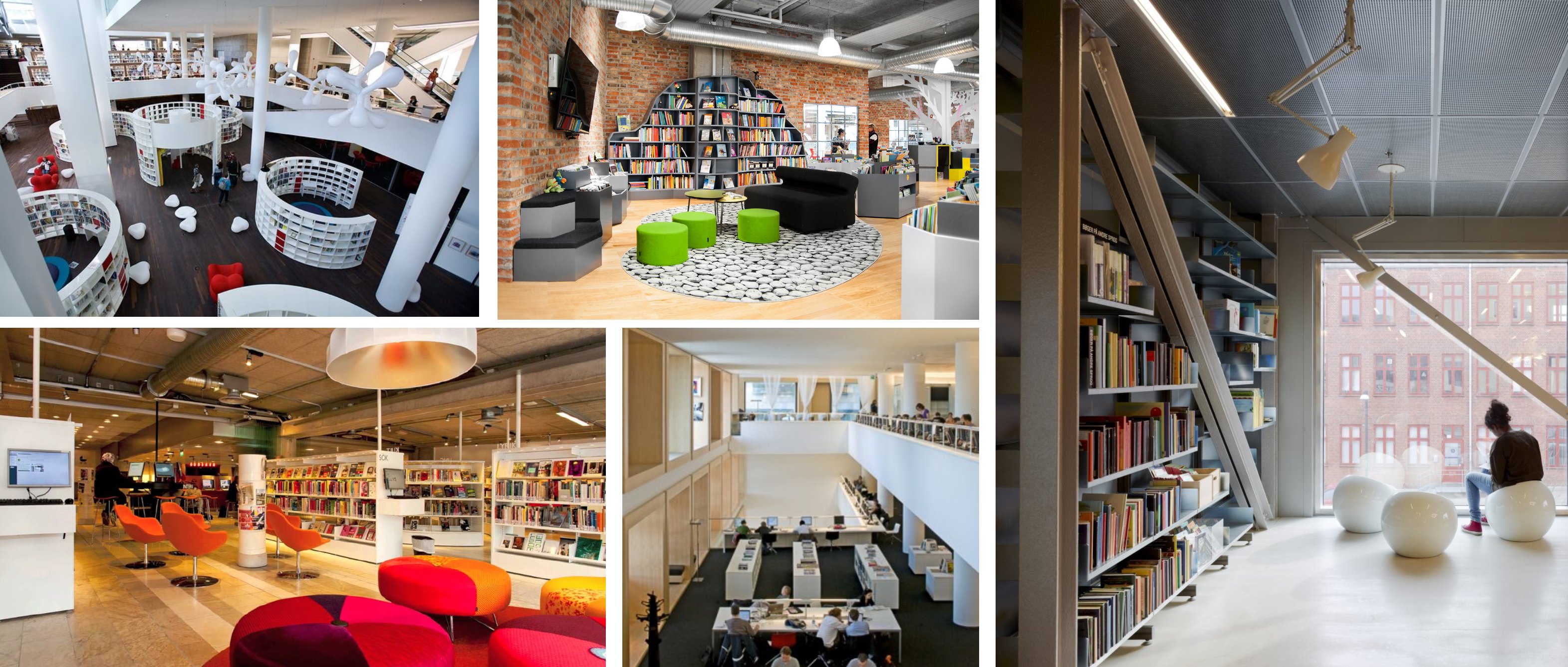
Our professional library consultants methodically measure community needs through a technique called the Visual Scan. This is a facilitated analysis of the library service environment with community members (students, faculty, researchers, public, etc.). For new building projects, expansions and renovations, our consultants (researchers) share future-orientated learning spaces, collaborative seating concepts and learning commons designs. For digital library projects, we share strategies to improve information resource access.
Space planning benefits significantly. Bibliometric data can justify the allocation of space for specific disciplines based on research output, and inform the design of learning commons tailored to collaborative research trends. Lifecycle projections, based on publication rates and research funding, can anticipate future resource demands. We utilize this data to create detailed service profiles, outlining collection, technology, and staffing needs aligned with the institution's priorities. Ultimately, integrating bibliometric analysis into the planning process ensures that the library isn't just a repository of information, but a dynamic partner in the research enterprise, demonstrably contributing to institutional success.
This is the methodological core that connects our bibliometric work to our broader strategic library development services. When space planning, collection development, and staffing recommendations all draw from the same data foundation, the building program is internally consistent and externally defensible — which is exactly what administrators need when they face a capital review.
Our Analytical Framework
From Data to Defensible Decisions
Every bibliometric engagement at Aaron Cohen Associates follows a disciplined sequence: first observation, then measurement, then interpretation, then recommendation. We do not begin with conclusions. The analytical framework below reflects the capabilities we bring to each phase of the process, applied consistently across academic, public, government, and specialized library environments.
Evaluating print and digital holdings by age, use frequency, subject overlap, and duplication against interlibrary loan patterns to identify what should be retained, compacted, offloaded to shared storage, or deaccessioned.
Pairing quantitative bibliometric findings with structured stakeholder sessions so that data and lived experience inform the same recommendations — a method that consistently produces plans with broader institutional buy-in.
Constructing the quantitative case that connects library resource investment to measurable institutional outcomes: research productivity, grant success rates, enrollment yield, and community engagement metrics.
Synthesizing collection, technology, and staffing requirements into a detailed institutional service profile — the document that bridges bibliometric analysis and architectural programming, and drives every downstream space decision.

Digital Collections & Technology Integration
Beyond Print: Measuring the Digital Dimension
Bibliometric analysis today must encompass digital resource uptake as fully as it covers print circulation. COUNTER-compliant usage statistics, database session logs, interlibrary loan request patterns, and open-access download rates all carry signal about where community research is heading — and where the current digital portfolio is falling short.
Our consultants are fluent in digital asset management and digital library development, which means we interpret these data streams in operational context, not in isolation. When citation-network analysis shows a surge in a specific interdisciplinary field, we can simultaneously recommend the acquisition strategy, the platform configuration, and the physical or virtual workspace that will support that research community.
For institutions undertaking a full digital transformation, this bibliometric foundation is indispensable. It prevents the common failure mode of platform-first planning — purchasing a discovery layer or repository system before understanding what the community actually needs to find, store, and share. See our detailed treatment of this risk in building a digital library from scratch.
Sector Applications
Where Bibliometrics Has the Most Leverage
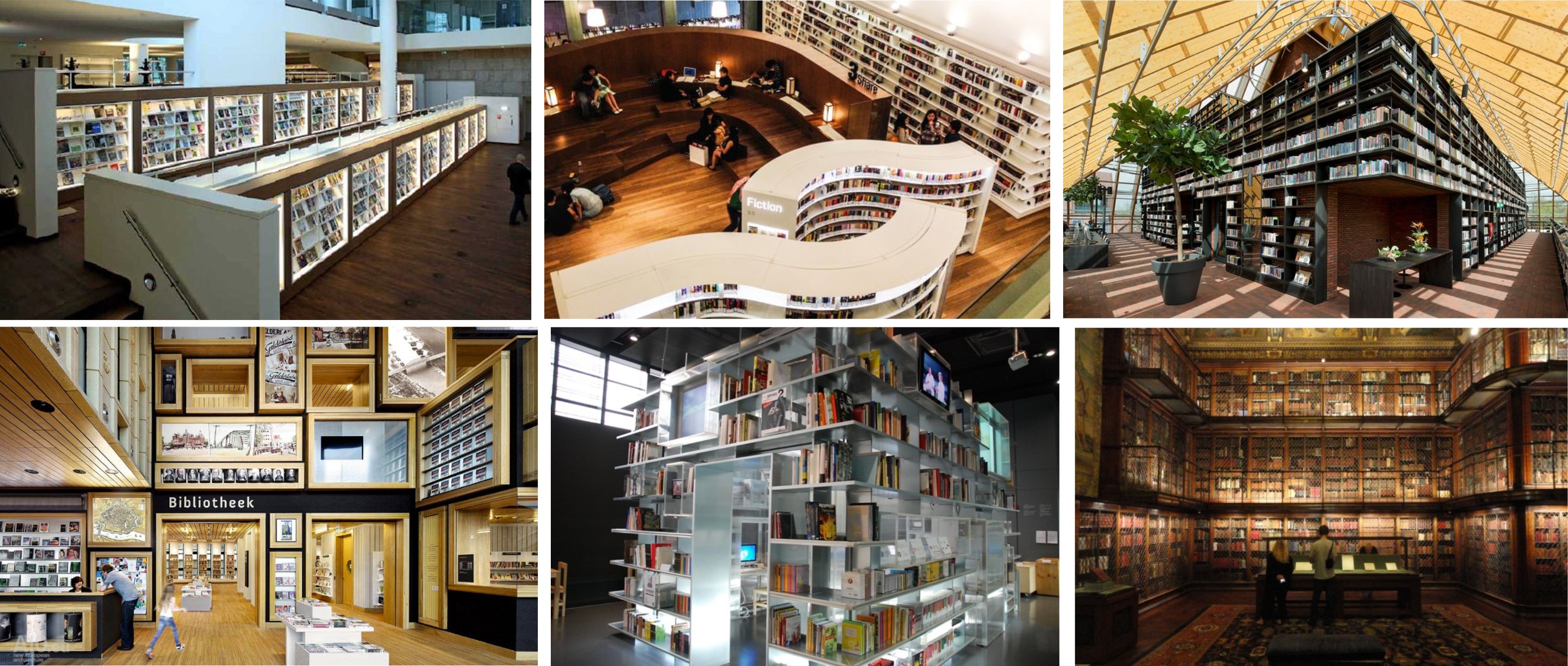
Bibliometric methodology scales across every library type we serve. In academic environments, it anchors the enrollment-to-space-program conversion that capital projects require before an architect can be meaningfully engaged. In research libraries, it distinguishes the collections that actively drive grant-funded output from the holdings that survive on institutional habit. In public library planning, usage pattern analysis reveals branch-level demand shifts before they become crises — giving municipal planners time to respond rather than react.
Specialized environments present their own bibliometric questions. Law libraries must balance electronic resource dominance against the residual density requirements of print reporters and annotated codes. Medical and biomedical libraries track evidence-based practice uptake against clinical workflow pressures. In each case, the data tells a story that general facility assessment cannot — and that story is the planning foundation.
If your institution is determining which consulting engagement makes most sense as a first step, our overview of what a library consultant does and when to hire one provides a practical framework for that decision.
Begin a Bibliometric Engagement
Every bibliometric engagement begins with a conversation about your institution's specific planning horizon, the data you currently have, and the decisions you need to defend. We have guided this process across hundreds of academic, public, government, and specialized installations. If your library is facing a capital request, a renovation, a collection restructuring, or a service repositioning — and you need data-grounded evidence to move it forward — we are ready to work.
Reach out to begin scoping an engagement tailored to your institution's timeline and decision calendar.
Contact Us