Transform your library into a catalyst for learning and innovation.
Start the Conversation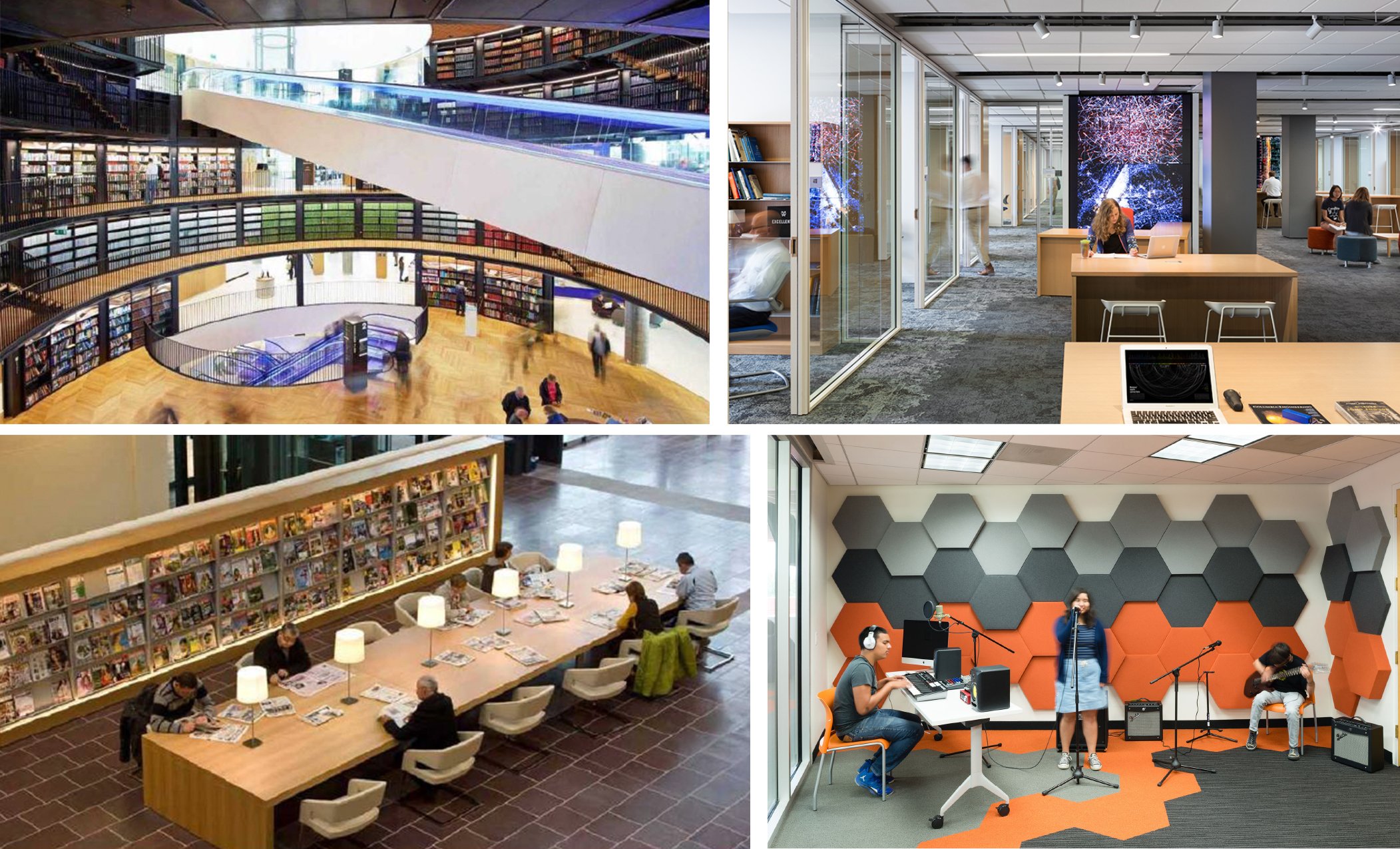
Insights About Library Design and Future Trends
A Director Stands in an Empty Reading Room
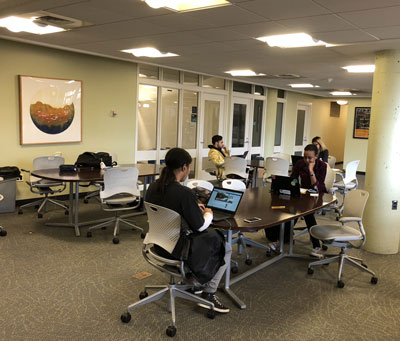
Consider this: a university library director walks through her building at two in the afternoon on a Tuesday. The stacks are full. The catalog is current. The Wi-Fi is fast. And yet nearly every chair is empty. Students who need research support are working in coffee shops a quarter mile away; faculty are conducting seminars in repurposed conference rooms because the library feels, as one department chair put it, like a place to retrieve things rather than a place to think. That director's challenge is not a collections problem or a staffing problem. It is a design problem—and it is exactly the kind of problem this firm has spent five decades solving.
TL;DR
The modern library is not an archive with better lighting. It is a programmable stage for services—physical and digital—that must be designed around how people actually learn, collaborate, and conduct research today.
User-centered methods, not intuition, determine what gets built. Ethnographic observation, the Visual Scan, and structured community dialogue produce evidence that survives administrative scrutiny and guides every square foot of programming.
The integration of digital and physical is the defining planning challenge of this decade. Institutions that treat these as separate problems will build facilities that are outdated before the ribbon is cut.
How We Build the Library of the Future
Core Design Capabilities
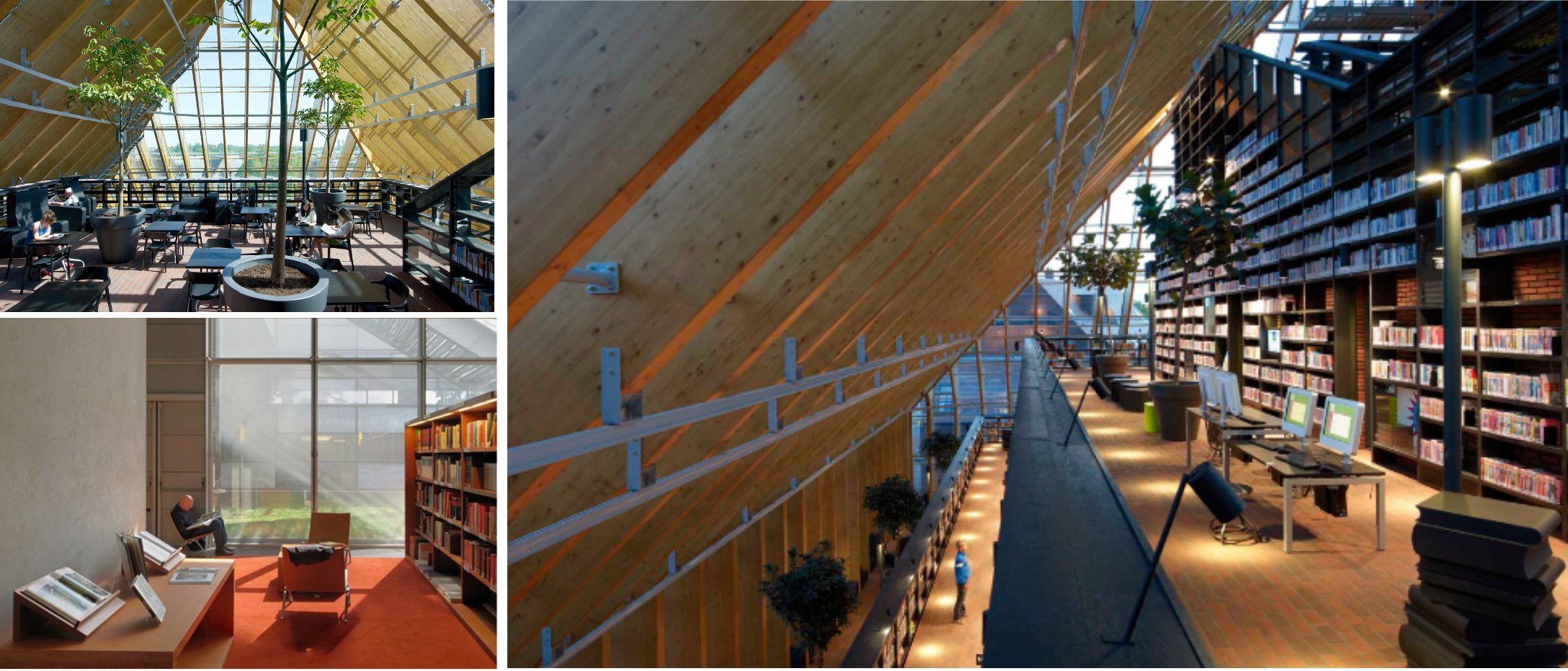
What if we reimagined libraries not as quiet archives, but as dynamic catalysts for learning and innovation? The future of the library is here, and it is about transforming them into adaptive, technology-enabled learning environments. Each capability below reflects a methodology tested across hundreds of real installations—academic, public, government, and specialized research environments worldwide.
The modern library requires a seamless blend of physical resources with virtual research tools, augmented reality, and flexible learning configurations. Learning is no longer confined to four walls. We program every space to support both the researcher arriving in person and the one working remotely, ensuring that discovery infrastructure—catalog, databases, digital collections—is architecturally embedded, not bolted on. See how we approach this in our work on digital asset management and digital library planning.
By using ethnographic research and design thinking, we map user interactions and workflow patterns. This allows us to create spaces that are not just functional, but truly transformative for diverse learning styles. We observe how patrons actually move through a building, where they pause, where they avoid, and what they do when the space fails them. That behavioral evidence—not a committee's assumptions—drives every adjacency decision we make. Our Visual Scan methodology is the structured fieldwork that makes this possible.
The goal is to create a vibrant hub that enables engagement and fosters intellectual curiosity. This means moving beyond reactive solutions to proactive strategies that support student success and faculty research. We program libraries as performance environments: service points, instructional zones, collaborative alcoves, and quiet research areas are choreographed so the building itself communicates what is available and where. This is the difference between a facility that warehouses knowledge and one that actively delivers it. Explore our thinking on service point planning for the full methodology.
One powerful method is the Visual Scan—a facilitated tour with community members to directly measure their needs. This data informs future-oriented designs like learning commons and collaborative seating concepts. The Visual Scan is not a walk-through; it is a structured observational protocol in which the consultant guides administrators, faculty, and students through their own building as witnesses to its performance. What they see together—the blocked sightlines, the colonized corners, the queues that form in the wrong places—becomes the evidence base for the program that follows. Read a full account of how the Visual Scan works in practice.
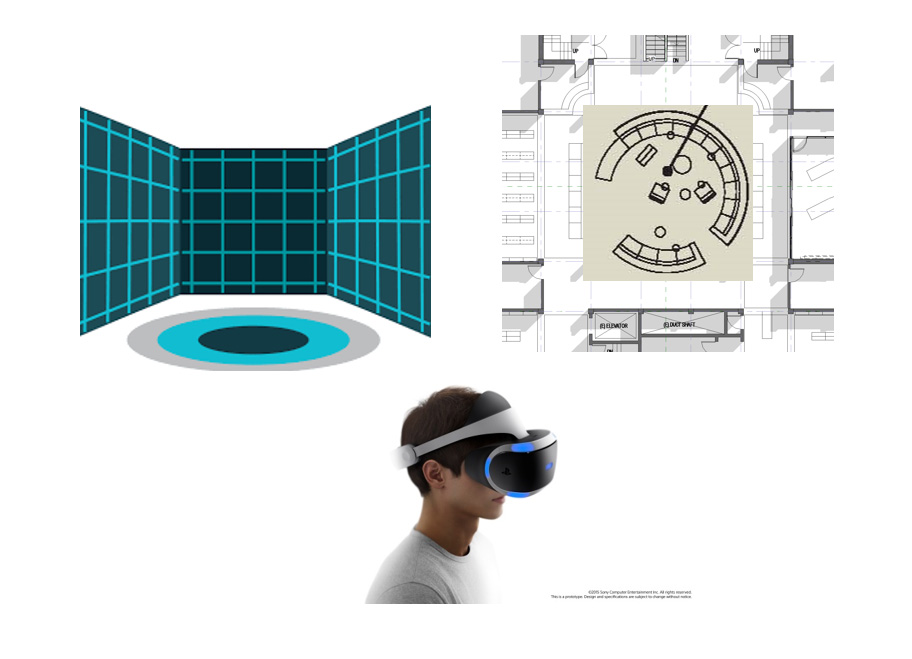
User-Centered Design Methodology
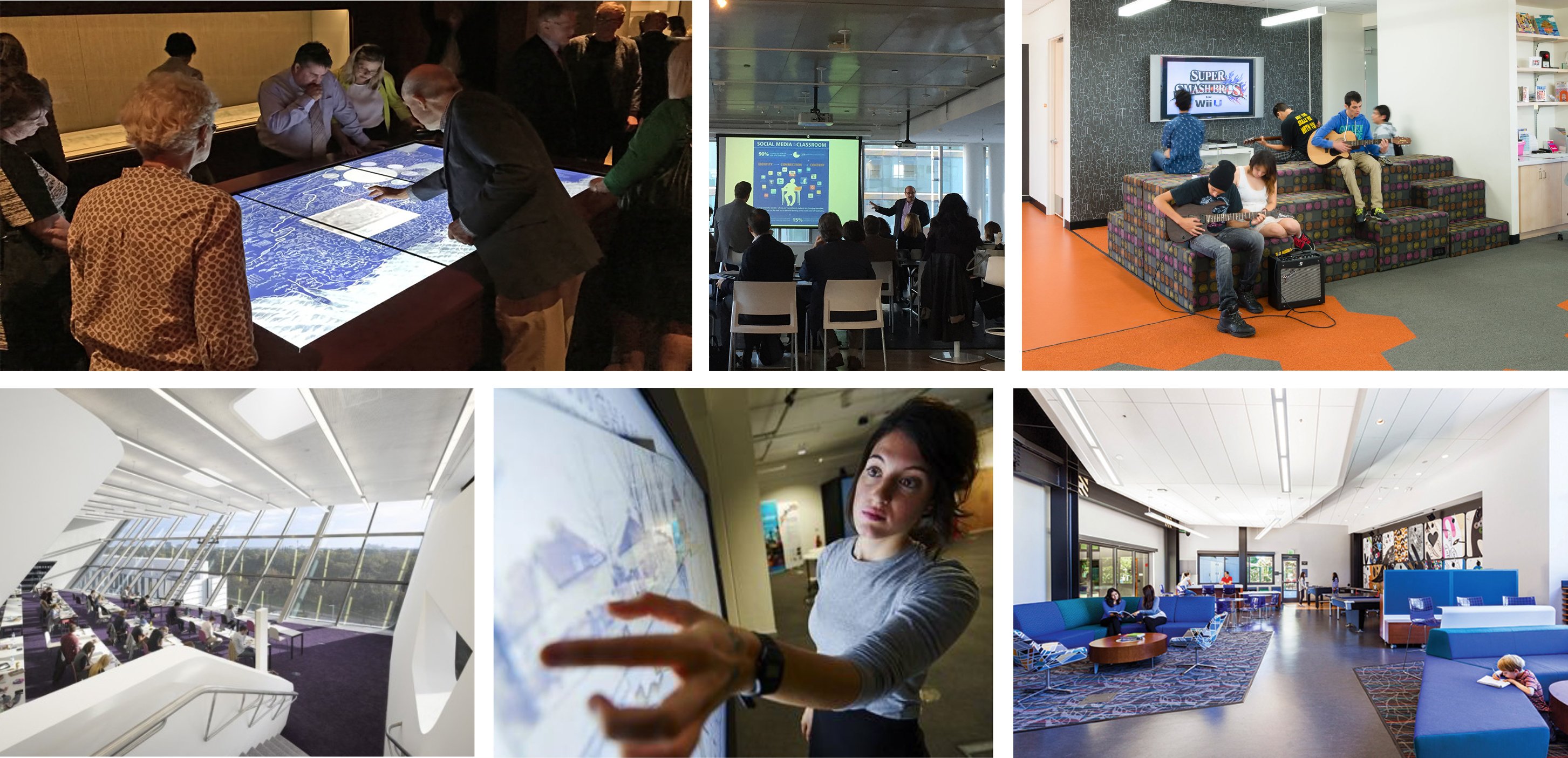
From Observation to Architecture
By employing ethnographic research techniques and design thinking principles, we map user interactions, workflow patterns, and emerging technological needs. This allows us to create spaces that are not just functional but transformative, supporting diverse learning styles and collaborative research methodologies.
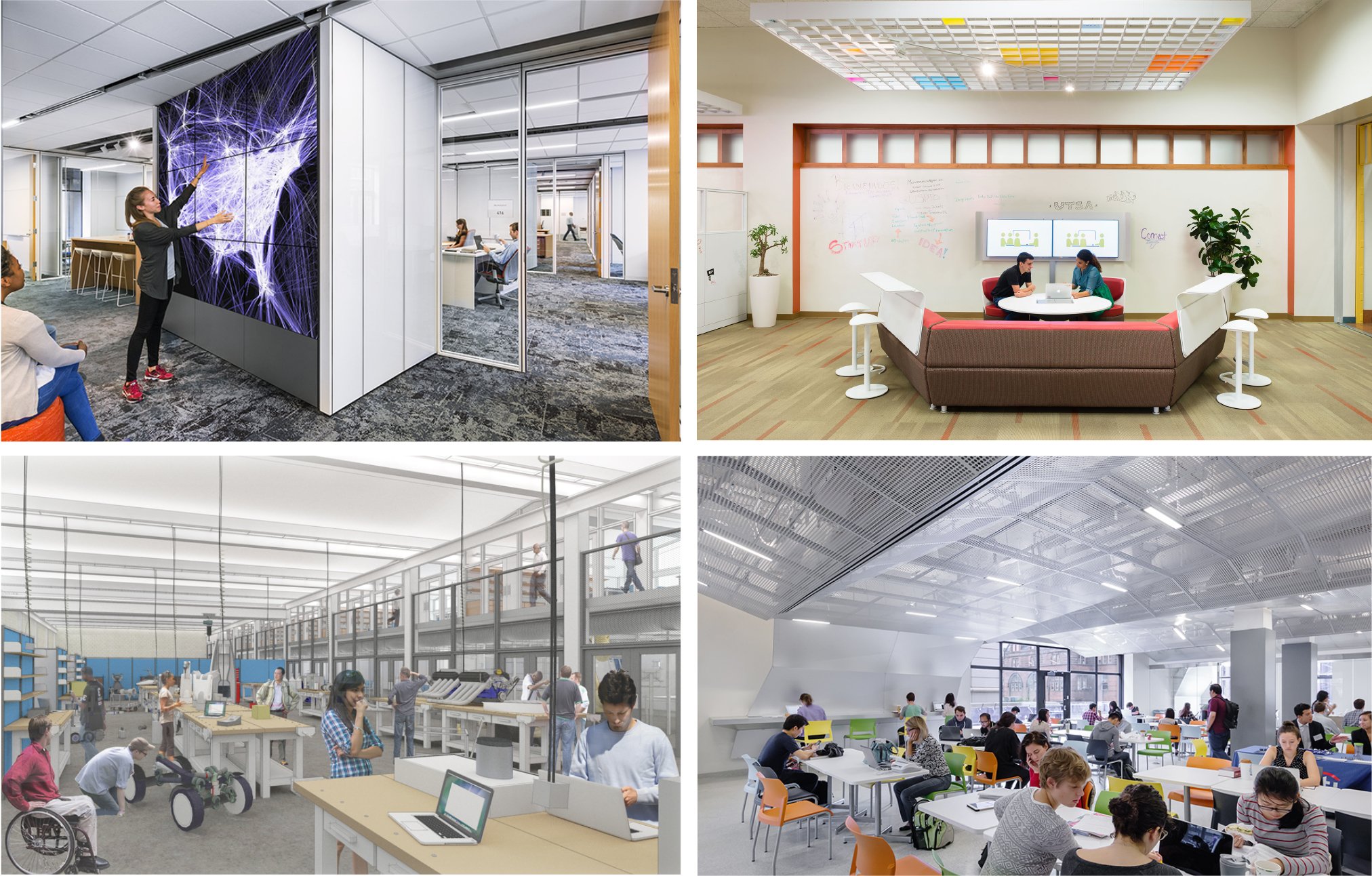
The shift is from a traditional library to a library plus culture house. That phrase carries real programmatic weight. A culture house is porous to community life: it accommodates the seminar and the makerspace, the solitary researcher and the student cohort running a design sprint, the archive reading room and the digital fabrication corner. When a library achieves that range, it stops being a destination for a single task and becomes a permanent fixture in the intellectual life of its institution.
Our library master planning framework gives institutions the ten-year rolling structure to pursue that vision without losing coherence between capital cycles. And our work on academic library design translates these principles into defensible square footage programs that survive provost review and bond campaign scrutiny alike.
Design in Practice
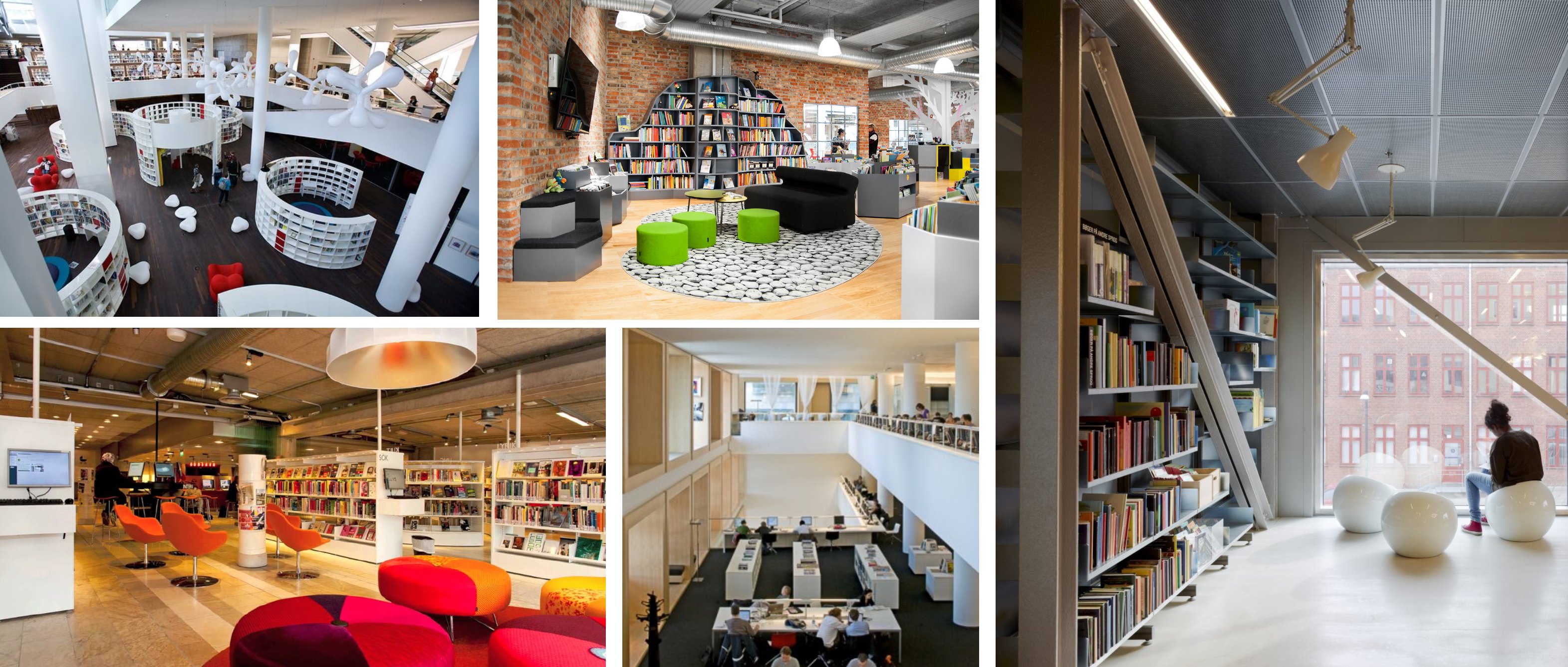
The Innovations Shaping Library Design Now
What innovations do you see shaping the future of libraries?
From our vantage point—fifty years of active planning across academic, public, government, and specialized research environments—the most consequential innovations are not the ones that make the loudest noise at conference presentations. They are the quiet structural shifts: the decision to put a maker zone adjacent to the stacks rather than in a basement annex; the choice to position the reference desk where sightlines confirm that help is available rather than where the original architect placed a column; the investment in environmental controls that protect a special collection while keeping it genuinely accessible to researchers rather than curators alone.
The libraries that will matter in twenty years are the ones being programmed today with behavioral evidence, institutional mission, and long-range service planning woven together from the first day of the engagement. That is the work. Reach out to us to begin that conversation for your institution.
For institutions at the beginning of this process, our library planning fundamentals collection grounds every capital decision in defensible evidence. For those already in design development, our work on what a library consultant actually does clarifies where our engagement adds the most leverage.
Contact Us