
Grounding
Library Capital
Decisions in
Defensible Evidence
Start Here: Library Master Planning

Why It Matters
Evidence Before Architecture
Architectural renderings alone cannot win a bond campaign or protect space from institutional repurposing. Without documented behavioral evidence and service integration, early planning errors become permanent, costly physical realities. These frameworks establish the structured operational data you need before committing construction dollars or hiring design teams.
The cost of an irreversible planning error exceeds the cost of early methodological guidance. Capital requests without a ten-year master plan leave library square footage vulnerable to institutional repurposing. Voters and funding committees require quantified behavioral evidence and return on investment over design renderings. Every engagement Aaron Cohen Associates undertakes begins with the question that most institutions skip: what does the evidence actually show?
Planning Capabilities
Core Methodological Competencies
Each capability below represents a structured discipline applied across hundreds of academic, municipal, and specialized library installations. These are not advisory opinions. They are replicable, documented methodologies that produce evidence a board can defend, a bond committee can fund, and an architect can build from.
Ten-year rolling frameworks that align staffing, technology, and space before any design contract is signed.
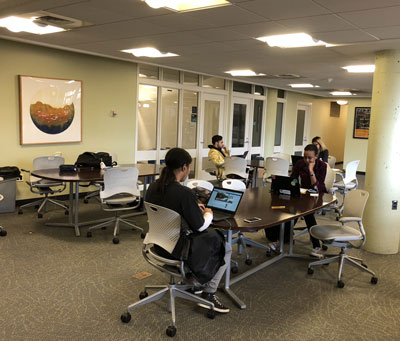
Structured patron-behavior walkthroughs that convert observable seating patterns and service adjacencies into quantifiable renovation evidence.
Feasibility studies, behavioral data, and community return models assembled into a bond-ready evidence base that survives institutional scrutiny.
Patron movement audits that position desks, technology, and staff to reduce friction and raise operational efficiency across the facility.
In This Collection



Collection Detail
Seven Resources, One Methodological Framework
How Do Library Consultants Assess Library Performance? The Visual Scan in Practice: Discover how a structured walkthrough turns observable patron seating patterns and service adjacencies into quantifiable evidence for your next renovation.
Library Capital Planning Consulting: Building the Evidence Base for a Bond Campaign: Learn how to assemble feasibility studies, behavioral data, and community return models into an evidence base that secures bond funding.
Library Consulting Firms: How to Evaluate Expertise Before You Sign an Engagement: Apply a five-criterion evaluation protocol to vet consulting methodologies, case histories, and digital planning capabilities before signing an agreement.
Library Master Planning: Aligning Space, Services, and Institutional Mission Over Time: Build a ten-year roadmap that aligns staffing, technology, and space to protect your facility from piecemeal repurposing.
Library Strategic Analytics Consulting: Building the Evidence Brief That Wins a Bond Campaign: Translate circulation patterns, enrollment metrics, and bibliometric collection use into an analytical brief that survives institutional scrutiny.
Service Point Planner: Positioning Staff, Technology, and Patron Flow for Maximum Impact: Audit observed patron movement to position service desks where they reduce friction and raise staff efficiency.
What Does a Library Consultant Do? Roles, Methods, and When to Hire One: Identify the precise moments of institutional risk when independent planning expertise protects capital projects from irreversible errors.
Questions These Pages Answer
What Administrators and Trustees Ask Before Engaging
These are the governing questions that drive every planning engagement Aaron Cohen Associates undertakes. If your institution is asking any of them, the resources in this collection provide documented frameworks, not advisory generalities.
How do we prove to our board and voters that our proposed renovation is based on documented community need? The capital planning evidence framework answers this directly.
When is the right moment to hire an independent planning consultant rather than an architect? What Does a Library Consultant Do? maps the precise institutional risk moments.
How can we prevent institutional leadership from repurposing our library space for other campus priorities? Library Master Planning builds the structural case that makes space defensible.
What data best justifies our service desk configurations and staffing allocations? The Service Point Planner provides the patron-movement audit methodology that answers this question.
Keep Exploring

Adjacent Collections and Sector Guidance
Sector Library Design: Facility planning guidance tailored to the distinct security, workflow, collection, and staffing requirements of specialized library types.
Academic Library Design: Facility planning and spatial strategy guidance for college, university, and school library environments facing enrollment growth, digital transition, and evolving pedagogy.
Museum and Special Collections Planning: Facility, environmental, and operational planning guidance for museum libraries, special collections, and the institutions that steward rare and irreplaceable holdings.
Archival Planning: Technical and strategic planning guidance for archival facilities, covering storage standards, environmental systems, shelving, and the operational workflows that connect acquisition to long-term preservation.
Digital Library Development: Frameworks, dialogue methods, and service planning sequences for institutions building or rebuilding a digital library from the ground up.
The full Library: every collection in one place.
Discuss Your Upcoming Library Project
Reach out to discuss your institutional goals, facility assessments, or capital campaign evidence base with our senior planning team. Every engagement begins with a structured conversation about what your institution needs to prove, protect, and build.
Whether your institution is preparing a bond campaign, defending existing library space from repurposing pressure, or beginning a master plan that will guide architectural decisions for the next decade, the frameworks in this collection provide the methodological foundation. The right moment to engage independent planning expertise is before construction dollars are committed and before design decisions become permanent.
Contact Our Planning Team