Chronicles
of Knowledge
Aaron Cohen Associates

Work With Us
Aaron Cohen Associates library space planning project

TL;DR

Library planning methodology overview

Three Lines That Frame Fifty Years

Aaron Cohen Associates was founded when libraries were beginning the transition from static repositories to community-driven intellectual engines — and the firm has shaped that transition at hundreds of institutions worldwide. Our methodology couples spatial analysis, service programming, and capital planning into a single defensible argument that survives board review, bond campaigns, and changing administrations. We exist to give institutions the evidence they need to build libraries that remain indispensable long after the construction scaffolding comes down.

A Planning Story

Library space transformation in progress

The Director Who Came Back With a Better Question

A provost once arrived at an early planning session with a single objective: add two hundred seats before the next academic year. The building program had already been drafted. The architect was on retainer. What stopped the project in its first week was a simple observation during the visual scan — fewer than thirty percent of the existing seats were occupied during peak hours, while a queue of students formed daily outside the two collaborative project rooms. The institution did not have a seat shortage. It had a service-type mismatch that a seat count could never fix. By the end of the engagement, the program had been rewritten to deliver flexible active-learning zones, a digital scholarship center, and a reduced but far better-distributed quiet-study footprint — all within the original capital envelope. That reorientation from symptom to cause is the defining habit of our practice, and it is the story Aaron Cohen Associates has been telling, in one form or another, for more than fifty years.
About

Aaron Cohen Associates library consulting history

Chronicles of Knowledge: The Aaron Cohen Associates Legacy

In the transformative landscape of late 20th-century information science, Aaron Cohen Associates emerged as revolutionary architects of knowledge infrastructure. Founded in an era when libraries were transitioning from static repositories to dynamic community centers, the firm represented a pivotal moment in understanding how physical spaces could reshape intellectual engagement.

Aaron Cohen, a visionary library consultant, recognized early that libraries were more than book collections — they were living ecosystems of human learning. His approach combined architectural insights, technological foresight, and deep understanding of community needs.

Today, we stand at a pivotal moment, poised to create libraries that are not just relevant, but indispensable to the future of higher education. As Aaron Cohen eloquently pointed out, effective library planning requires a proactive vision, not simply responding to immediate needs.

Key Strategic Focus

What Drives Our Practice

Effective library planning requires more than a floor plan. It requires a disciplined framework that connects community evidence to capital decisions, then sustains that investment through deliberate advocacy, diversified funding, and ongoing stakeholder education. The three pillars below define how Aaron Cohen Associates engages every client relationship from the first site visit through post-occupancy evaluation.

Demonstrating Impact

Presenting data on library services' positive outcomes. We build the quantitative and qualitative evidence brief that shows trustees, provosts, and municipal leaders exactly what the library delivers per dollar invested — circulation patterns, seat utilization rates, instructional session counts, and community engagement metrics assembled into a brief that survives administrative scrutiny. See how this connects to our work on library strategic analytics consulting.

Exploring Funding Sources

Identifying diverse funding opportunities. Capital projects rarely survive on a single revenue stream. Our engagement maps grant opportunities, bond campaign structures, donor cultivation sequences, and institutional budget cycles into a coherent funding architecture — so the building program and the financial plan arrive at the same table at the same time. Our approach to library fundraising and development extends this framework into full campaign execution.

Educating Stakeholders

Informing leaders about libraries' evolving roles. Decision-makers who have not visited a high-performing library recently carry assumptions that are ten to twenty years out of date. We close that gap through structured briefings, comparative site visits, and facilitated dialogue sessions that reframe the library as an active stage for services and an intellectual engine for the institution — not a passive storage facility competing for square footage.

Spatial Programming

Translating institutional mission into defensible square footage. Every space recommendation we produce is grounded in observed patron behavior, service workflow analysis, and collection projection methodology. We do not deliver a room list — we deliver a spatial argument that connects every allocation decision to an institutional outcome. Explore the full methodology through our work on library master planning.

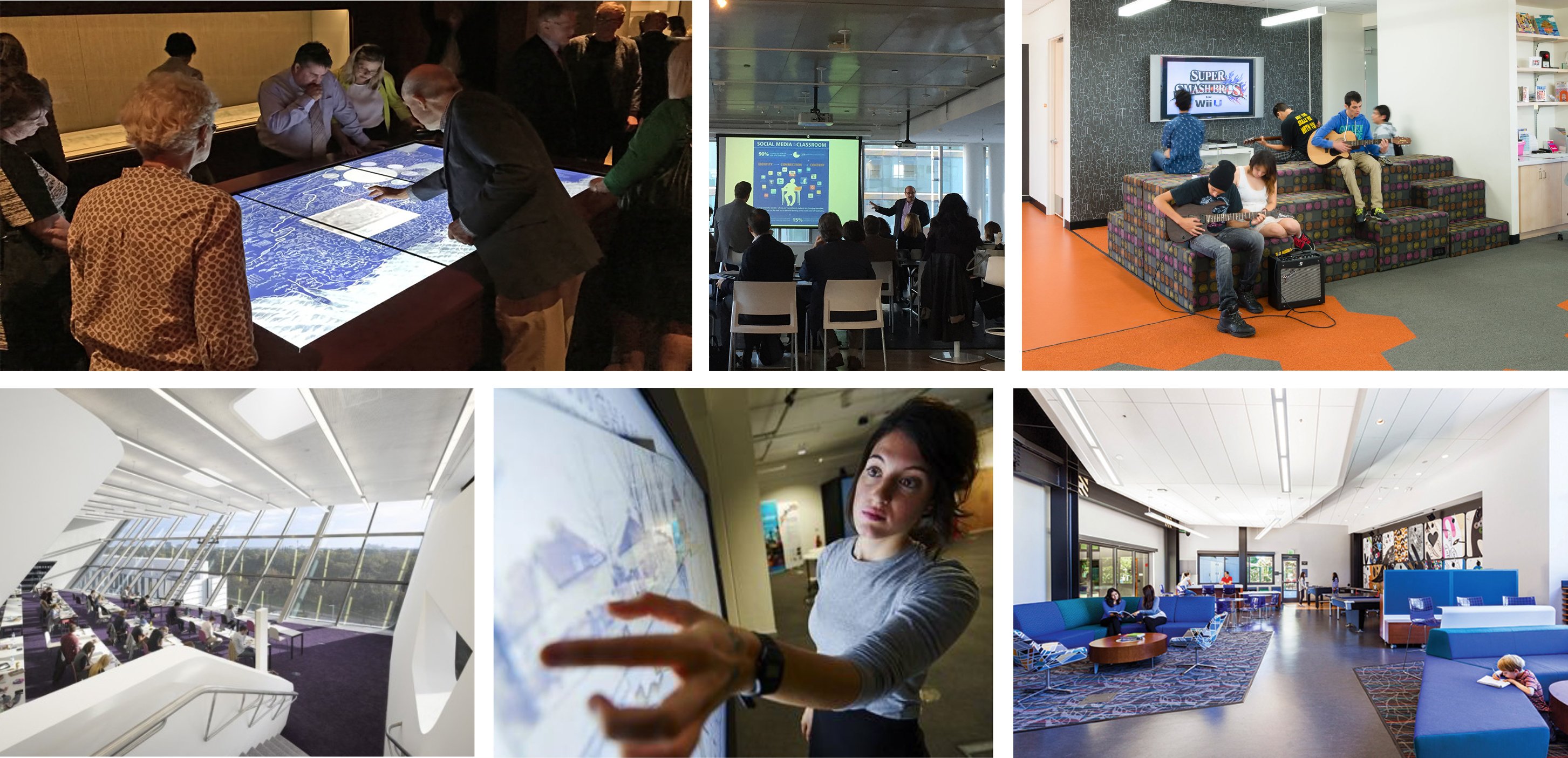
Library space planning and design consulting

Design Portfolio

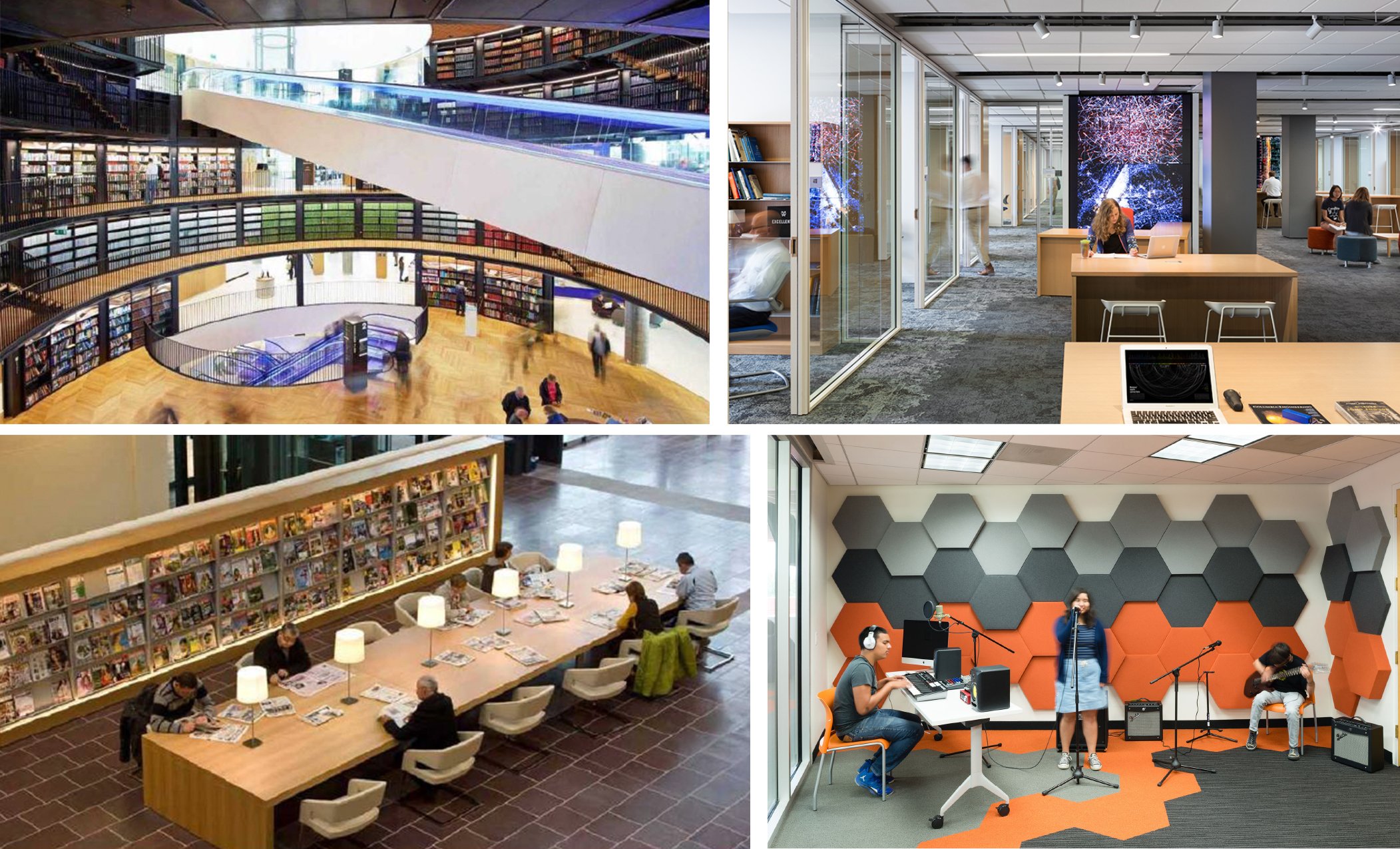
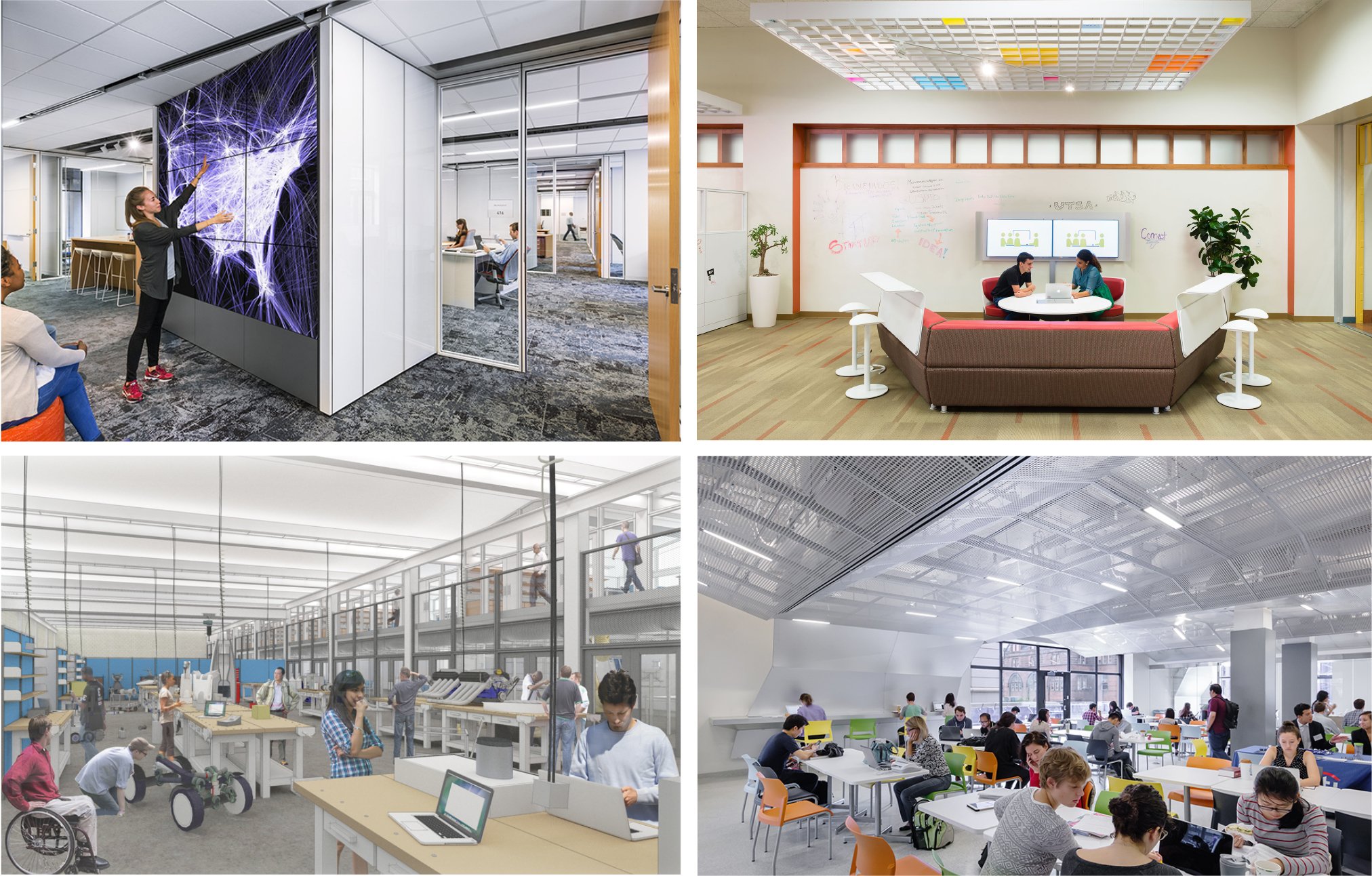
Academic library collaborative learning environment
Library reading and research space
Modern library service point design
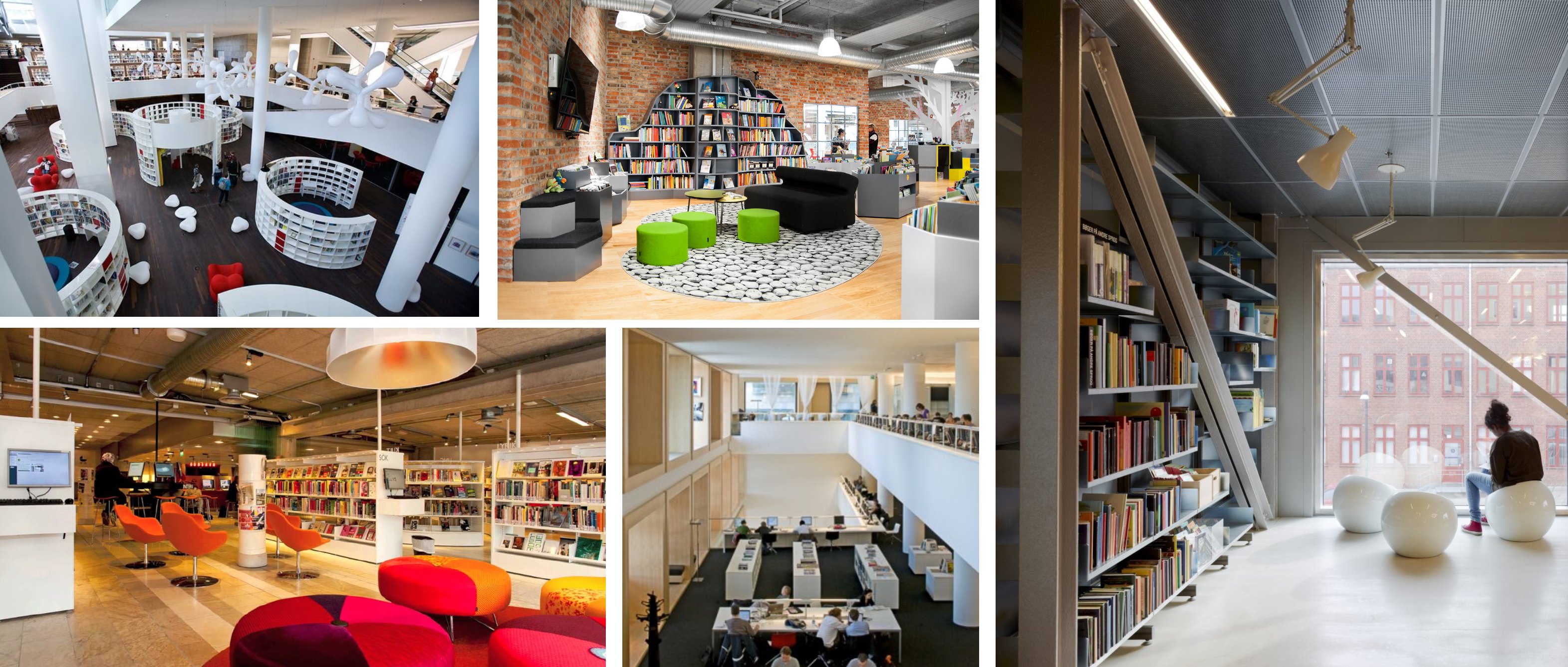
Library stacks and collection planning
Library community engagement space
Academic library architectural programming example

How We Work

Library consulting methodology in practice

From First Observation to Funded Program

The Cohen method begins where every reliable planning process must begin: with direct observation of how people actually use the space they have. Before any program number is written, our consultants conduct a structured visual scan — a systematic walkthrough that reads patron behavior, staff workflow, collection adjacency, and technology integration as a single spatial narrative. What we see in those first hours of observation shapes every recommendation that follows.

From observation, the engagement moves to facilitated dialogue. We bring together administrators, faculty, students, and community stakeholders not to gather wish lists but to surface the institutional tensions that the building program must resolve. Where does the need for quiet conflict with the need for collaboration? Where does the digital collection crowd out the physical one? Where does the service point create distance rather than access? These are the planning questions that only structured conversation can answer.

The output is a defensible building program — a document that connects every square foot to a service outcome, every cost estimate to a projected utilization rate, and every phasing recommendation to the institution's budget reality. That program travels with the project from feasibility through construction documents, serving as the accountability framework that keeps architect, administrator, and board aligned on what the building is actually for. Learn more about our approach to what a library consultant does and the full scope of our services.

Sectors We Serve

Community and specialized library environments

Every Library Type, One Consistent Standard of Evidence

Aaron Cohen Associates has planned libraries across every institutional sector: research universities and liberal arts colleges, municipal and branch public systems, law and medical schools, government agencies, corporate knowledge centers, and specialized archives. The methodology does not change by sector — the evidence standard is always the same — but the planning criteria shift substantially depending on the patron population, the collection type, the regulatory environment, and the service mission.

An academic library planner must reconcile enrollment projections, curriculum evolution, and digital collection growth into a single spatial argument. A public library design consultant must weigh community demographics, branch equity, and civic programming against capital constraints that rarely match the need. A law library consultant must hold adjacency requirements, access control, and collection density in simultaneous tension. We carry that sector-specific depth into every engagement, backed by a project record that spans more than five decades of completed installations. Browse the full consulting portfolio to see the range of institutions we have served.

Digital & Technology

Digital asset management and library technology planning

Building the Digital Infrastructure Libraries Actually Need

The physical building program and the digital service plan are not separate documents in a Cohen Associates engagement — they are two layers of the same institutional argument. How the discovery environment is configured determines where patrons need to sit. How the digitization program is staffed determines what adjacencies the processing room requires. How the digital asset management system is architected determines what network infrastructure the building must carry.

We work at that intersection deliberately, ensuring that capital decisions made in concrete and steel do not foreclose digital service options that the institution will need within five years of opening. That means building technology roadmaps, digitization lab planning, and digital literacy program design into the building program from the first draft — not as afterthoughts appended when the architect has already committed the floor plate. For institutions building or rebuilding a digital library from scratch, we provide the same structured dialogue and evidence-based methodology we apply to physical space.

Contact

Start a Conversation

Every engagement begins with a conversation about the specific institutional challenge you are trying to solve. Whether you are preparing a feasibility study, assembling a bond campaign brief, or reconsidering how your building program aligns with where your community is heading, the first step is the same: a direct exchange with a consultant who has worked through that exact problem before.

Reach out through our contact page or explore the firm's full range of services and strategic planning capabilities before getting in touch.

Contact Us