
Building Defensible
Digital Libraries
Grounded in Research
Start Here: Questions, Not Platforms
Why It Matters

Platform First Is the Wrong Starting Point
Institutions often invest in platforms and content licensing before understanding researcher behavior, resulting in collections that go unused. With researchers turning to general artificial intelligence tools before consulting catalog databases, access alone no longer delivers effective research outcomes. These planning frameworks establish structured inquiry and dialogue methods to design digital library services that directly serve your institutional community.
Starting with platform selection leads to expensive digital collections researchers do not use. Researchers rely on general artificial intelligence before databases, requiring embedded source evaluation skills. Defensible discovery and licensing plans require structured dialogue to test institutional assumptions early. The five-step inquiry framework detailed in this collection prevents those mistakes before a dollar is committed to a vendor contract.
Core Planning Capabilities
What This Practice Delivers
Every engagement in digital library planning draws on a structured sequence: community dialogue first, platform evaluation second, service design third. The capabilities below represent the analytical disciplines that make each stage defensible when presented to boards, provosts, or municipal authorities.
Facilitated stakeholder sessions that surface real researcher behaviors, unmet needs, and institutional assumptions before any platform decision is made.
Catalog architecture, metadata strategy, and interface planning that places the right resource in front of the right researcher without requiring expert search technique.
Budget-aligned acquisition frameworks derived from use data and curriculum mapping, not vendor sales cycles, so every licensed resource has an institutional rationale that survives audit.
Embedding ACRL Framework threshold concepts into service design so researchers develop source evaluation and citation transparency skills alongside access to curated collections.

In This Collection


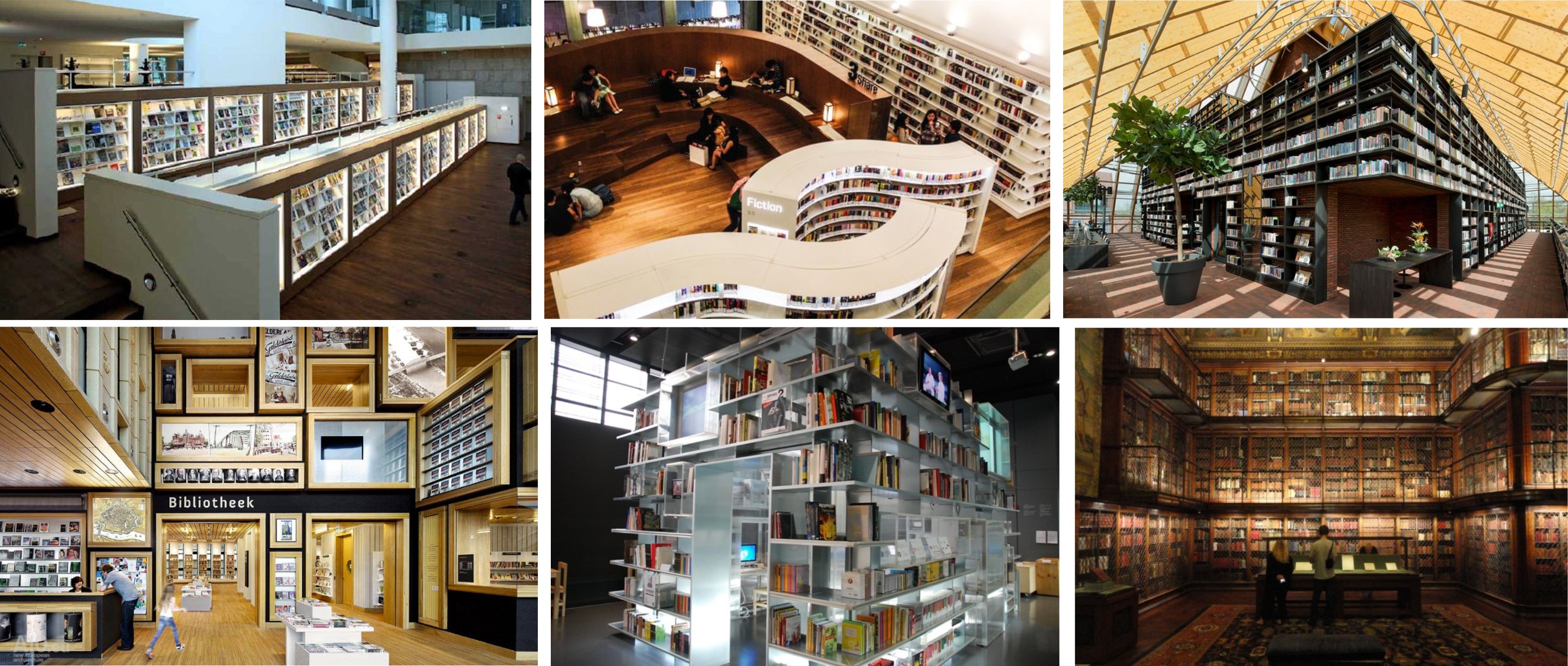
Building a Digital Library From Scratch: Start With Questions, Not Platforms
Learn how a five-step inquiry framework translates community dialogue into an active digital service plan instead of an unused platform. This is the foundational piece: it details how structured inquiry prevents platform-first mistakes and embeds digital literacy into the service from the first day.
Digital Literacy and the Academic Library: Designing for Judgment, Not Just Access
Discover how to apply ACRL Framework threshold concepts to teach source evaluation and citation transparency when researchers reach for AI first. This page addresses the growing gap between licensed access and the judgment skills researchers need to use that access responsibly.
Library Data Insights Consulting: Building Curated Research Access for Educators, Government, and Organizations
See how organizations without discovery infrastructure can implement curated reference portals and catalog-grounded AI research desks. This framework serves educators, government agencies, and organizations that lack the capacity to build their own discovery environment from scratch.
The Digital Library Service Plan: How Library Strategic Plan Consultants Turn Dialogue Into Defensible Acquisitions, Discovery, and Instruction
Master the process of transforming survey data and dialogue sessions into prioritized licensing, discovery, and instruction strategies. This is the operational blueprint that makes the inquiry framework actionable at the budget and procurement level.
Questions These Pages Answer
The Planning Questions Every Institution Faces
How do we avoid purchasing digital platforms and collections that researchers never use? This is the foundational question, and the answer is always the same: dialogue before procurement. The five-step inquiry framework was built specifically to interrupt the vendor-led planning cycle before commitments are made.
How should our digital library respond when researchers use artificial intelligence before catalog databases? This question cannot be answered by adding more licensed content. It requires embedding source evaluation and citation transparency into the service itself. Digital literacy as a design discipline addresses this directly.
What planning sequence turns stakeholder survey data into defensible licensing and discovery decisions? Survey data alone is not a plan. Library strategic plan consultants bring a structured transformation process that converts findings into prioritized, budget-linked recommendations that survive administrative review.
How can an institution provide reliable research access without building complex digital discovery infrastructure from scratch? Curated research access models allow smaller institutions and government agencies to deliver high-quality discovery environments through catalog-grounded portals rather than full-scale infrastructure investments.
Keep Exploring
Related Collections and Planning Frameworks
Digital library planning does not exist in isolation. Every service decision intersects with physical space, collection policy, institutional strategy, and long-term capital planning. The collections below extend the work begun here into those adjacent domains.
Core methodologies and decision frameworks for administrators, trustees, and architects who are starting or restarting a library planning process. The digital service plan belongs inside a larger institutional planning cycle.
Facility planning guidance tailored to the distinct security, workflow, collection, and staffing requirements of specialized library types. Digital service design must align with the physical and operational constraints of each sector.
Facility planning and spatial strategy guidance for college, university, and school library environments facing enrollment growth, digital transition, and evolving pedagogy.
Facility, environmental, and operational planning guidance for museum libraries, special collections, and the institutions that steward rare and irreplaceable holdings.
Archival Planning
Technical and strategic planning guidance for archival facilities, covering storage standards, environmental systems, shelving, and the operational workflows that connect acquisition to long-term preservation. Digital access and physical preservation must be planned as a single system.
The Full Library: Every Collection in One Place
Every collection, every methodology, every planning framework Aaron Cohen Associates has published, organized for directors, trustees, architects, and administrators who are building a comprehensive picture of what defensible library planning looks like across all sectors and scales.
Planning Your Digital Library Service?
Start With a Conversation
Contact our team to discuss how structured inquiry and stakeholder dialogue can shape a defensible digital library for your institution. Every engagement begins with understanding your community before recommending any platform, vendor, or collection strategy. The frameworks in this collection were built from real institutional engagements and refined through hundreds of planning processes across academic, public, law, medical, government, and corporate environments.
Whether you are rebuilding a discovery environment, developing a licensing strategy aligned to curriculum, or establishing digital literacy as a core library service, the planning sequence begins the same way: a structured conversation about what your researchers actually do before any tool is selected. Reach out to begin that conversation.
Contact Aaron Cohen Associates