
Library Facilities
and Digital
Management
Contact Us
The Problem We Solve
When the Building and the Mission Drift Apart
A director at a mid-sized university came to us after a five-year renovation that had cost the institution considerably and yet left staff still routing interlibrary loan requests through a shared printer in a hallway, still running circulation from a desk designed for card catalogs, and still managing digital assets in four incompatible systems. The building looked modern. The operations had not changed. The lesson was not that the architect had failed — the lesson was that no one had mapped the workflows before the walls went up.
That gap between physical renewal and operational transformation is precisely where Aaron Cohen Associates works. We have spent more than fifty years closing it, in academic libraries, public branches, government research centers, law libraries, and specialized collections worldwide. When the building and the mission drift apart, we bring them back into alignment — through evidence, through programming, and through a methodology that has been tested against real budgets and real communities.
TL;DR

Three Lines Before You Read Further
Professional library consultant evaluations let institutions retire underperforming space uses, scale what works, and modernize operations without losing the services patrons depend on.
Effective operations planning integrates collection services, circulation redesign, spatial research support, collection development, and resource sharing into a single coherent program — not a sequence of disconnected renovations.
Our workshops translate operational findings into staff capacity, so the institution can sustain transformation after the consultant leaves.
Library Facilities and Digital Management
A Data-Driven Approach to Library Programming
Professional library consultant evaluations enables libraries to refine programs, discontinue underperforming space use, and scale successful library service offerings. Our data-driven approach to library programming ensures libraries are ready to make the greatest impact.
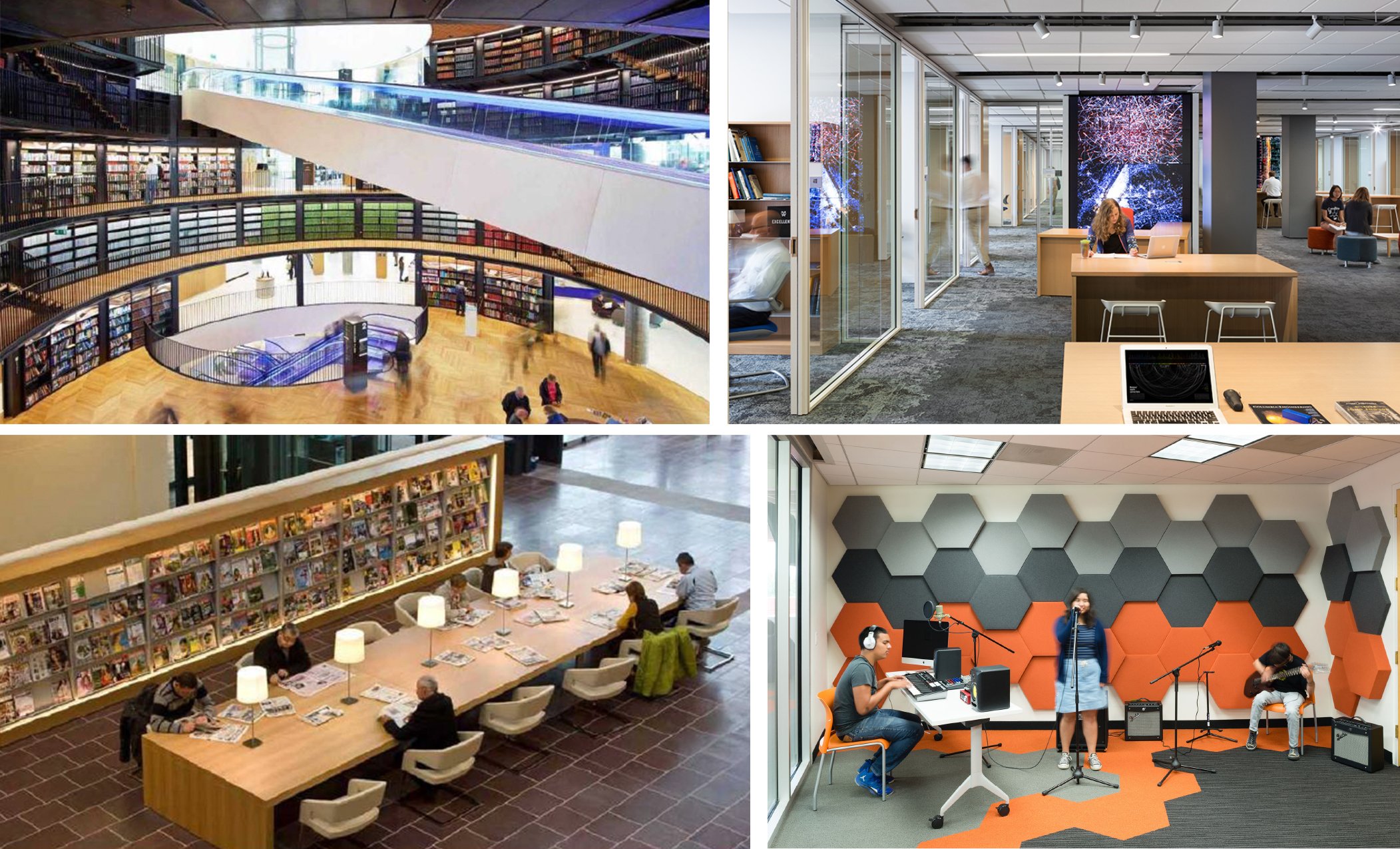
We work across the full range of institutional types. Our academic library consulting examines how enrollment curves, curriculum shifts, and collection forecasts translate into square footage programs that survive budget review. Our public library work starts with community behavioral research, not architect renderings. Our research library engagements focus on retrieval speed, security architecture, and knowledge flow — the factors that determine whether a specialized collection actually serves the scientists and attorneys and scholars who depend on it.
Modernizing library collections requires streamlined workflows that balance traditional services with digital innovation hubs. Effective operations planning addresses: collection services modernization, new circulation and access desk designs, new spatial research support space plans, collection development and management designs, and modern resource sharing concepts.
Explore sector-specific project experience: Academic Library Consulting, Public Library Planning, and Research Library Projects.
Core Capabilities
What We Bring to Every Engagement
The transformation of library collections requires design thinking across multiple domains: library programming that engages communities, library design that creates inspiring physical access, and digital asset management systems that organize and preserve collections for future generations. Each capability below represents a methodology refined across hundreds of installations.
We translate behavioral research and usage data into defensible space programs — room-by-room adjacency relationships, square footage allocations, and service point configurations that architects can build from and boards can fund.
From circulation desk redesign to interlibrary loan workflow mapping, we document current-state operations, identify bottlenecks, and produce future-state models that staff can implement incrementally without service disruption.
We assess metadata schemas, system architectures, and preservation protocols across heterogeneous collections, then produce a rationalized roadmap that consolidates platforms, reduces redundancy, and extends the useful life of digital holdings.
Transformation that outlasts the consultant requires staff who understand the new model and can sustain it. Our educational workshops on operational efficiencies, space utilization, and digital transformation trends are built into every engagement, not sold as an add-on.
Facilities We Have Planned
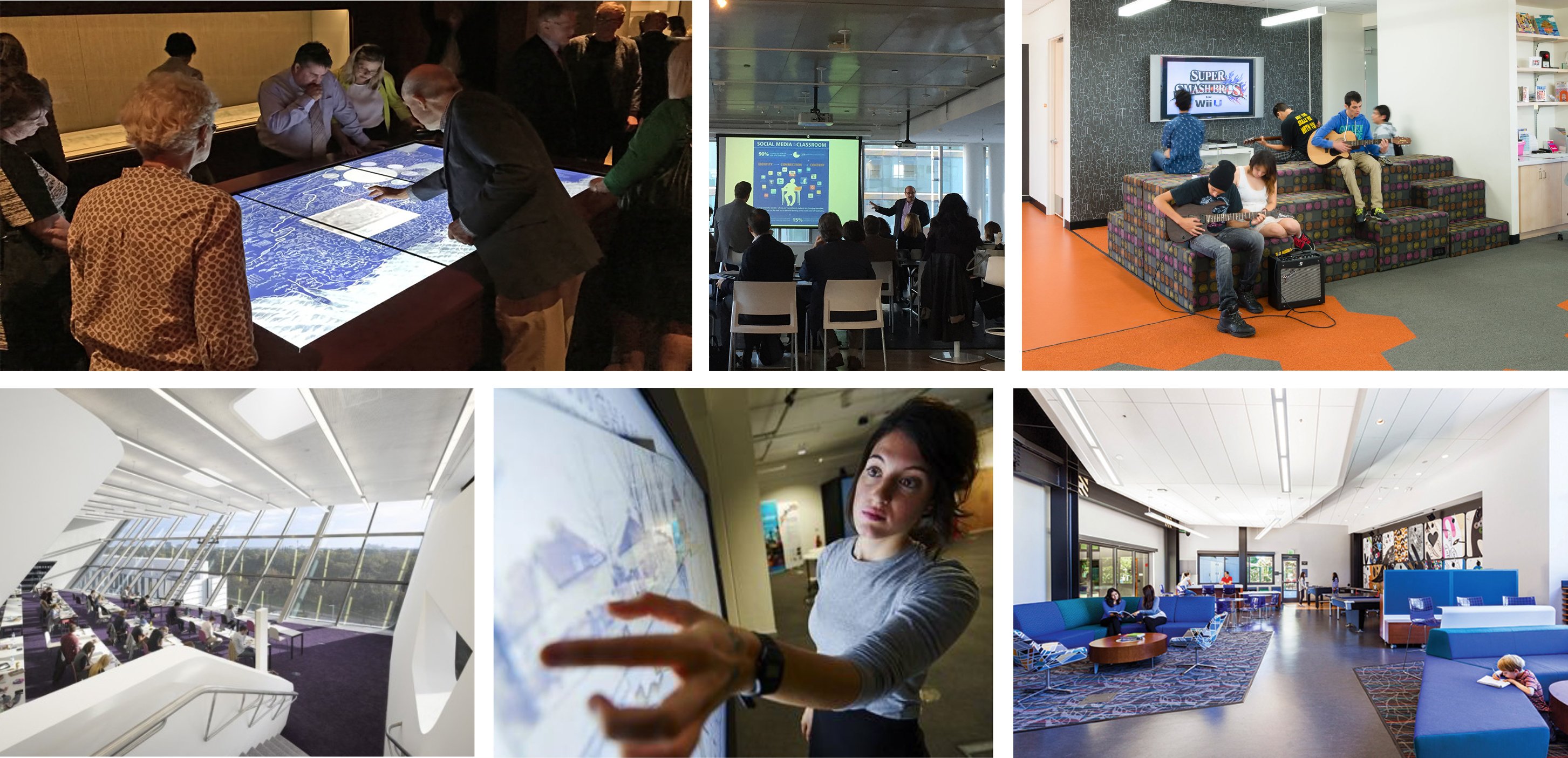
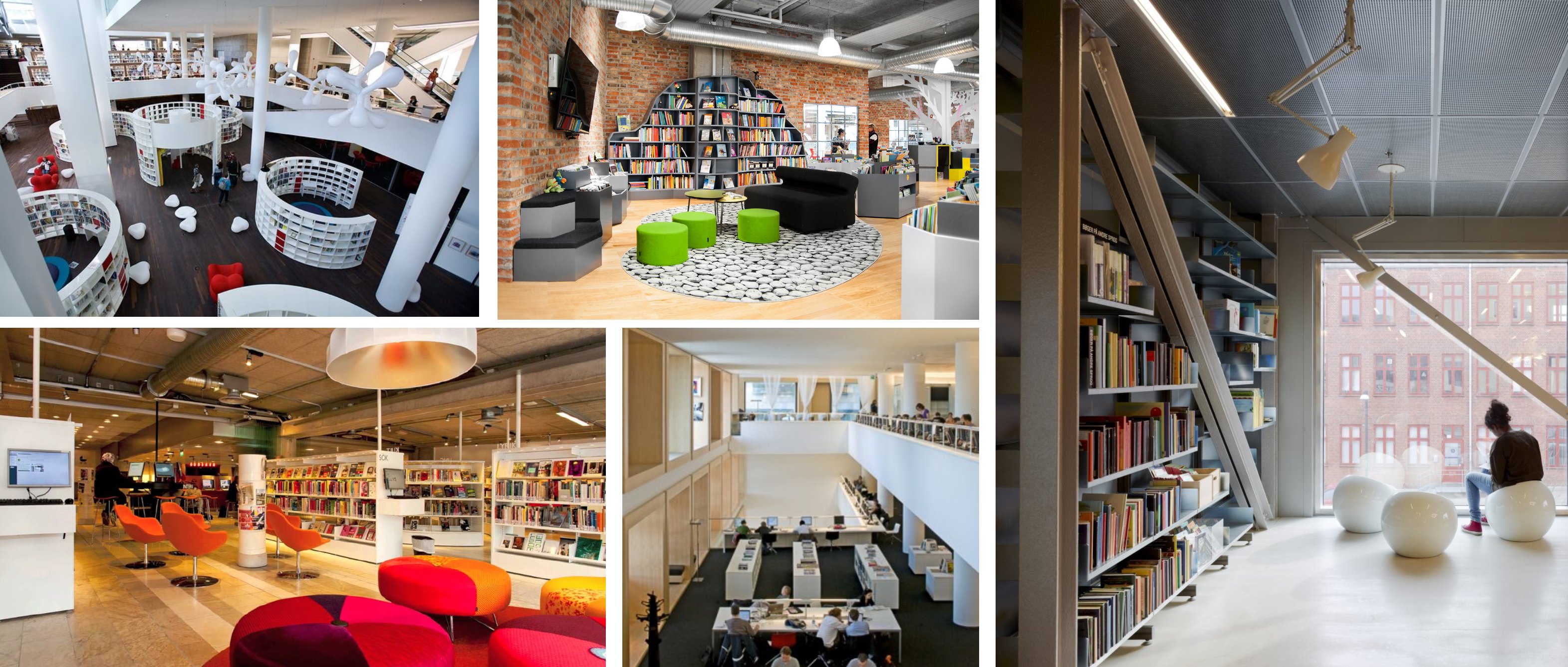
Programming and Community Engagement
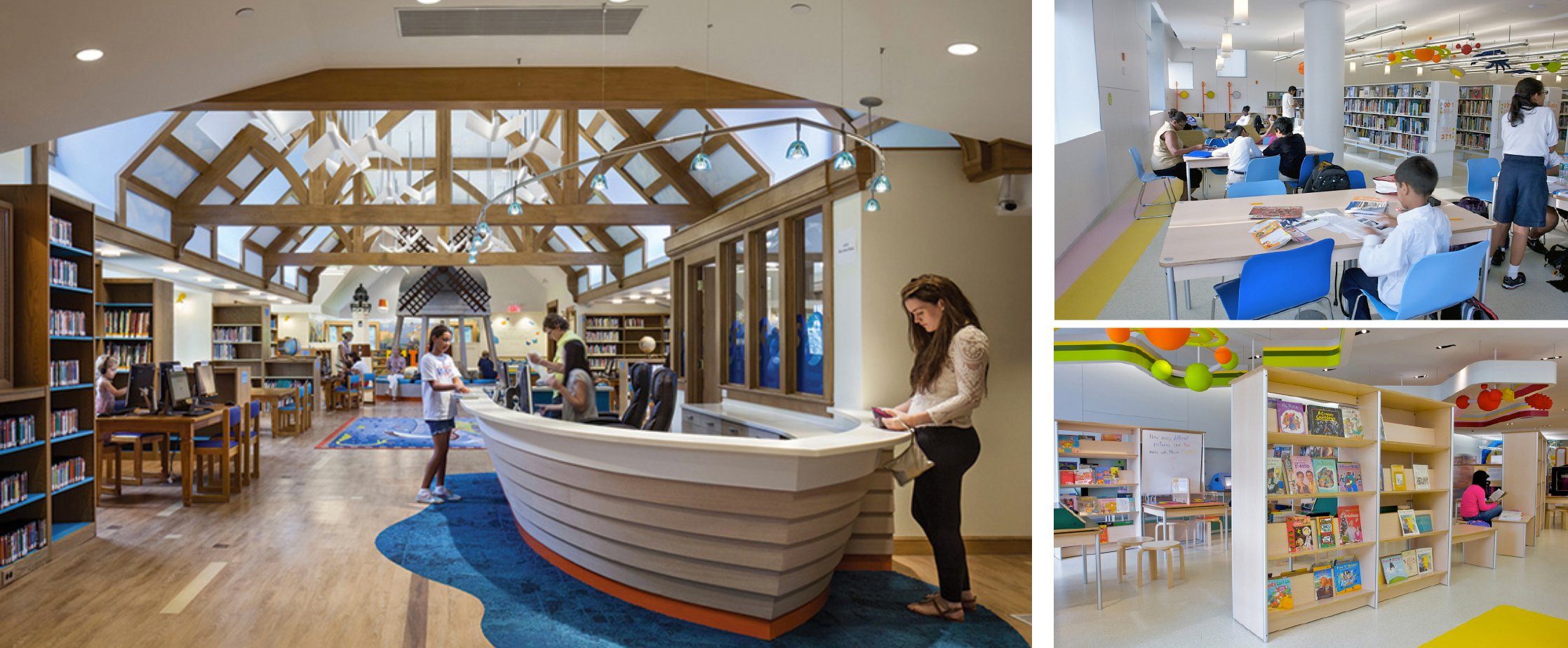
From Passive Space to Active Community Center
How can library programming create meaningful engagements in your library? Library planning and education workshops represents one of the most visible and impactful ways libraries serve their communities. Effective education workshops transform libraries from passive spaces into active community centers that foster learning, creativity, library of things and connections.
Our library educational workshops are part of the process. We provide workshops and information about operational efficiencies, space utilization and digital transformation trends. Whether you're managing an academic library at a small institution, directing a public library serving diverse communities, or overseeing a specialized research center, the challenges and opportunities have never been greater. We have been researching libraries and transformation for years. Let us share our knowledge to build a better future for your community.
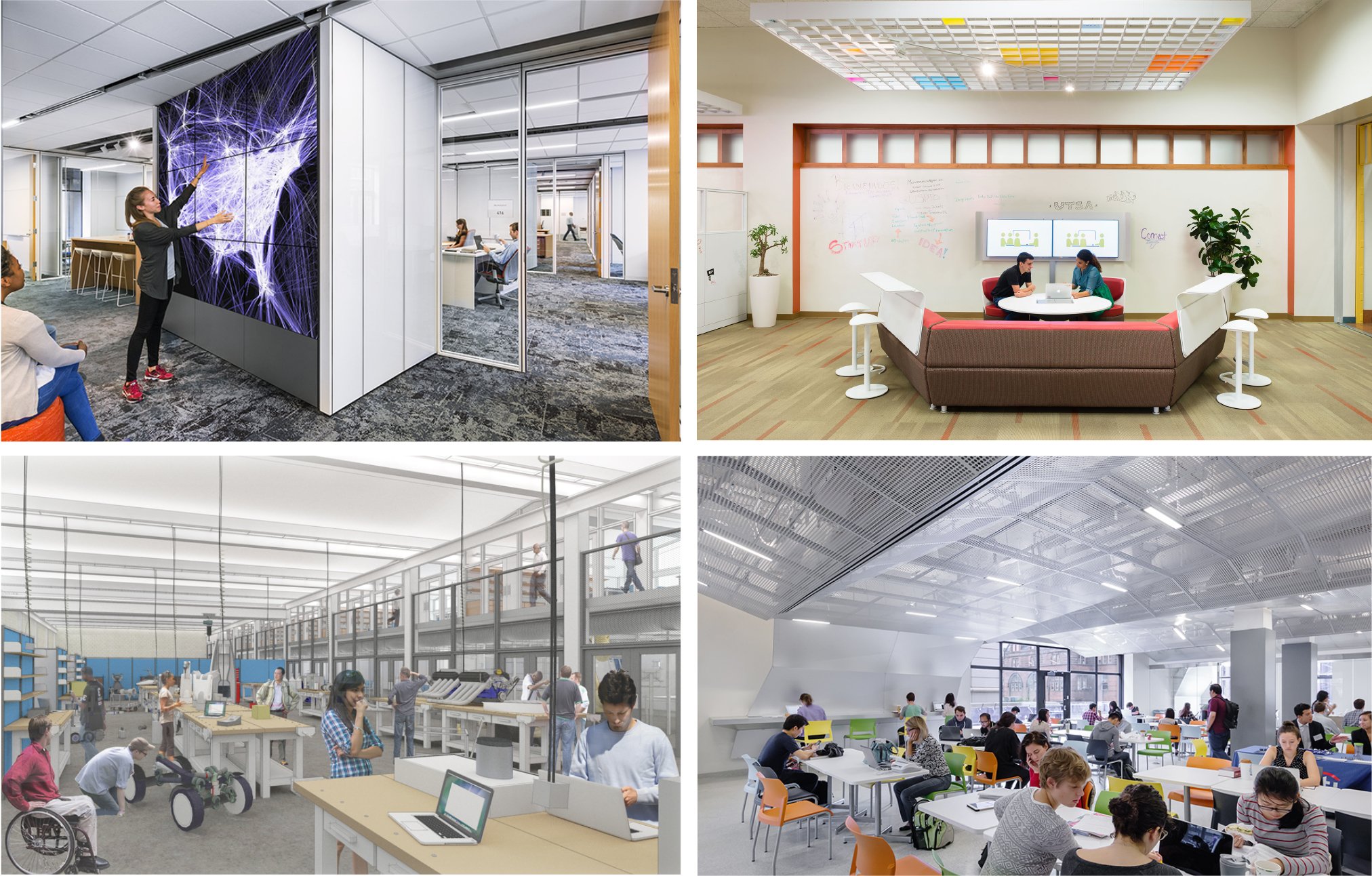
Programming strategy is inseparable from facilities planning. A makerspace that lacks adequate power infrastructure fails. A children's program room that shares acoustics with a quiet reading floor creates conflict from opening day. We design program space and service offerings together, as a system, so that the room and the schedule reinforce each other rather than competing.
For institutions considering a formal programming inventory — cataloguing what you currently offer, what your community has asked for, and what your physical plant can support — our strategic planning and space design framework provides the starting methodology.
The Integration Challenge
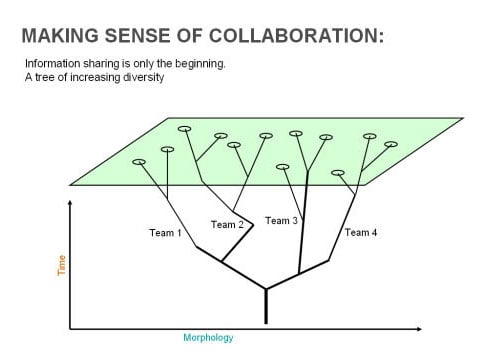
Balancing Traditional Services With Digital Innovation
The transformation of library collections requires design thinking across multiple domains: library programming that engages communities, library design that creates inspiring physical access, and digital asset management systems that organize and preserve collections for future generations.
In practice, this means that the reference librarian's workstation, the metadata schema governing the institutional repository, and the reading room's lighting plan are all consequences of the same planning decision — the institution's theory of how knowledge moves from collection to researcher. When that theory is explicit and documented, every downstream design choice becomes defensible. When it is implicit, every downstream design choice becomes a negotiation.
Our digital asset management consulting practice addresses the technical side of this integration: system architecture, preservation standards, access protocols, and the staff workflows that keep digital collections current and discoverable. Our space planning practice addresses the physical side. Both practices share the same analytical foundation: behavioral research, usage data, and a methodology built on fifty years of installations.
For institutions that are beginning to think about how digital collections interact with physical space, our overview of building defensible digital libraries provides the foundational framework.
Operations Planning in Depth
Five Domains Where Operations Planning Creates Lasting Impact
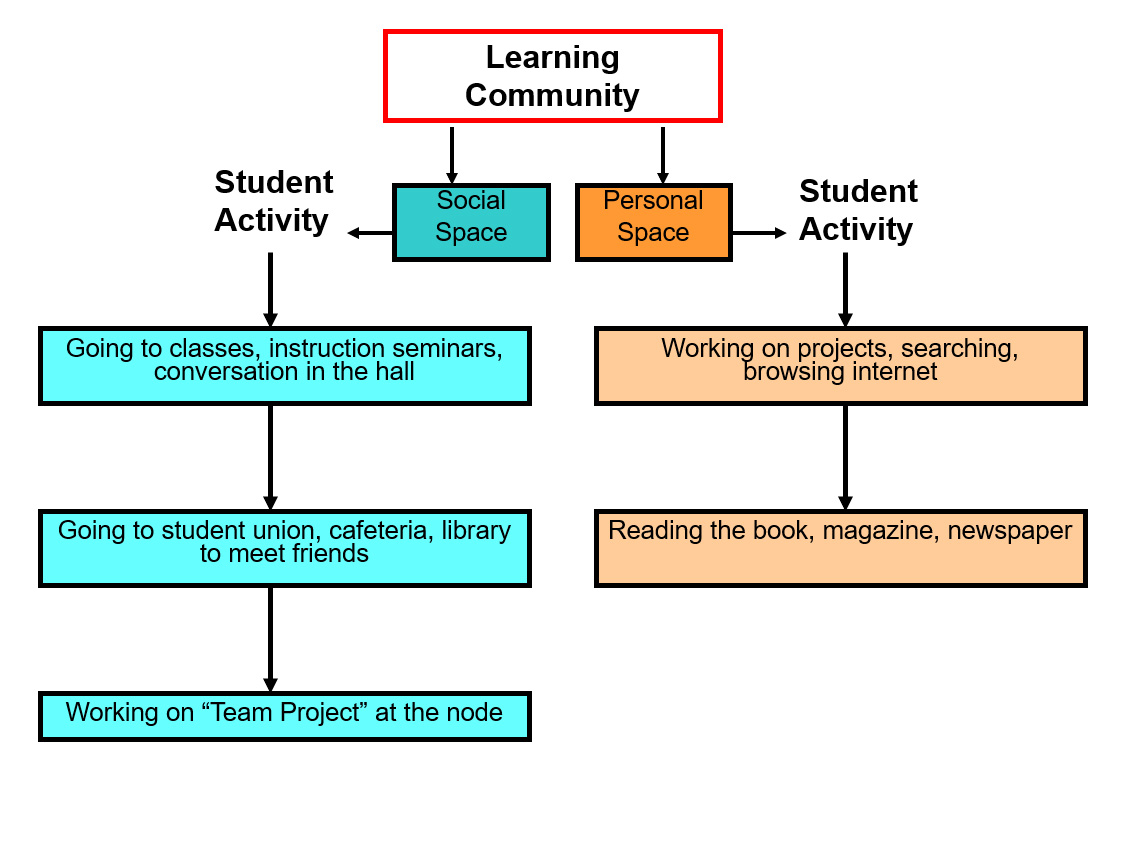
Effective operations planning addresses five interconnected domains, each of which affects the others and none of which can be resolved in isolation.
Collection services modernization examines acquisition workflows, cataloging practices, and weeding protocols in light of current collection use data. Libraries that have not conducted a systematic collection analysis in five or more years frequently discover that significant shelf space is occupied by materials with no recorded use in a decade — space that could serve active programming or expanded study seating.
New circulation and access desk designs address the spatial and staffing model at the most visible service point in the building. Modern circulation design reduces transaction friction, integrates self-service technology where it matches patron behavior, and positions staff for the consultation and instruction work that machines cannot perform. See our framework for service point planning.
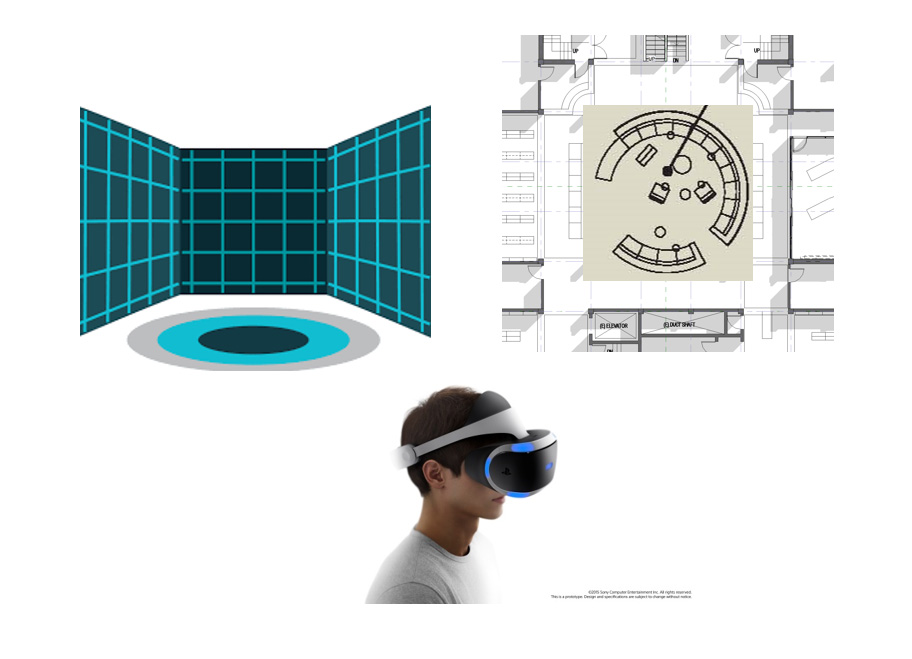
New spatial research support space plans translate reference service models into physical adjacencies — where the data visualization lab sits relative to the special collections reading room, how the graduate student carrels relate to the instructional classroom, whether the digital scholarship center has the power and network infrastructure its equipment requires.
Collection development and management designs align acquisition budgets with demonstrated community need rather than historical allocation formulas. We use bibliometric analysis and circulation pattern data to surface the disciplines that are underserved and the formats that patrons have consistently chosen over alternatives.
Modern resource sharing concepts encompass interlibrary loan optimization, consortium purchasing strategy, and the physical and digital infrastructure that makes shared collections behave like local ones from the researcher's perspective.
Related Expertise
Topics Connected to This Work
Every engagement we conduct connects to a broader methodological network. The pages below represent the intellectual infrastructure behind the work described on this page. Each one answers a question that institutions commonly bring to us at the start of a facilities or operations engagement.
How enrollment data, curriculum shifts, and collection forecasts become a defensible space program. See Academic Library Planner and Translating Academic Needs into Defensible Library Space.
The ten-year rolling framework that every institution needs before an architect is hired. See Library Master Planning and Library Capital Decisions.
How circulation patterns, enrollment trends, and collection use data are assembled into a brief that survives administrative scrutiny. See Library Strategic Analytics Consulting and Bibliometrics for Strategic Library Planning.
Environmental standards, security architecture, and access protocols for rare and irreplaceable holdings. See Special Collections Environmental Controls and Rare Book Reading Room Design.
Contact
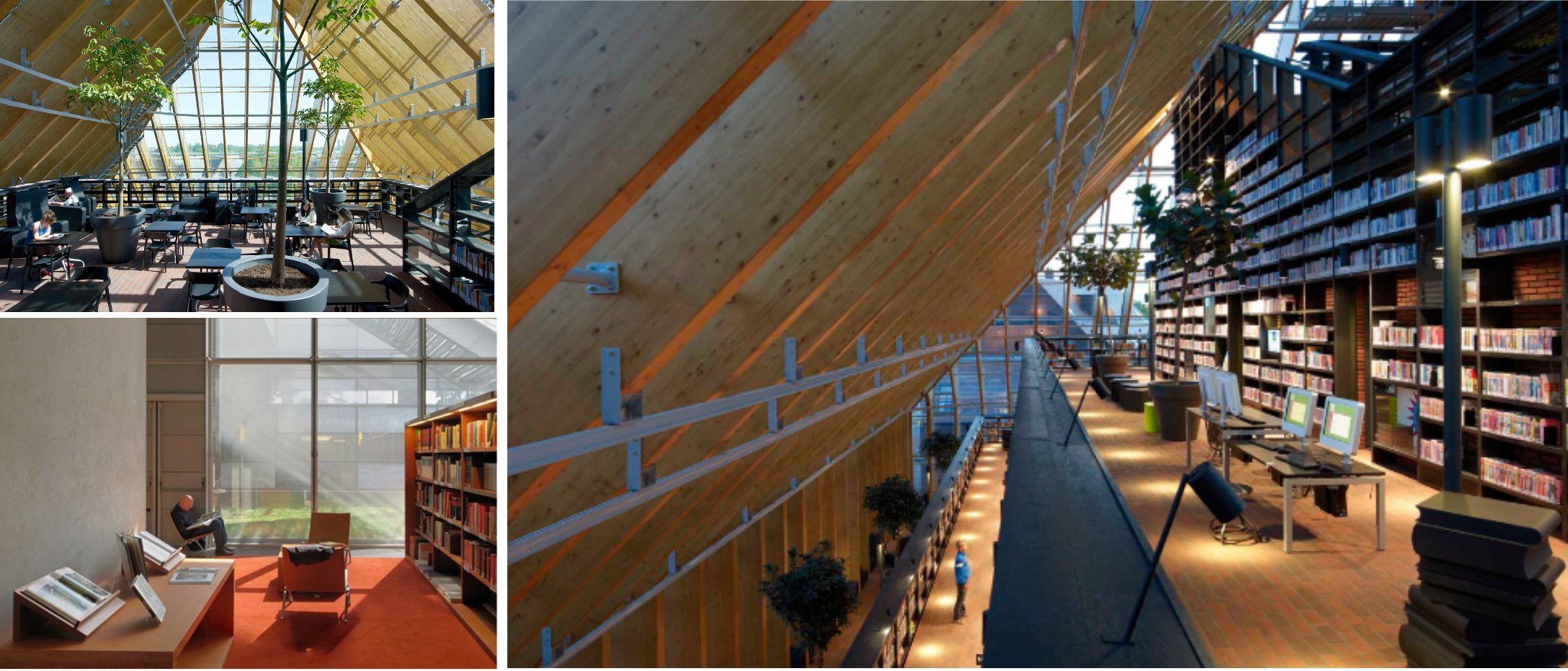
Contact us for a qualifications package, resumes and project sheets. We work with academic, public, government, law, medical, and specialized research libraries at every stage of planning — from initial feasibility through post-occupancy evaluation.
Whether your institution is facing a capital campaign, an operations audit, a digital migration, or the more fundamental question of what your library should become over the next decade, we have the methodology and the project history to guide that conversation.
Reach us through the feedback and contact page to request a qualifications package, project sheets, or a preliminary conversation about your planning challenge.
Contact a Library Consultant