
Library
Consulting
Portfolio
Discuss a Project
At a Glance
TL;DR
Aaron Cohen Associates has guided more than 800 library planning and design projects across every institutional sector — academic, public, government, medical, law, and school — over five decades of continuous practice.
Every engagement in this portfolio represents a defensible, evidence-based planning process: space programming grounded in behavioral research, service-point analysis tied to patron flow, and capital programs built to withstand administrative scrutiny.
The portfolio is not a list of completed buildings. It is the working record of a methodology tested on real budgets, real communities, and real institutional constraints — and refined project by project over fifty years.
The Director's Dilemma
A Story Every Library Director Knows
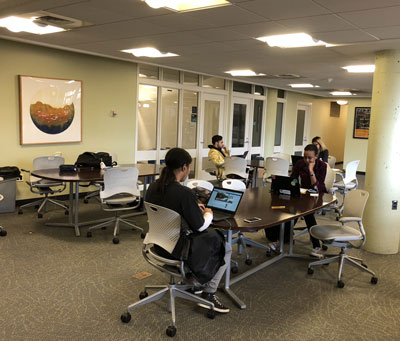
Consider a university library director preparing to present a renovation case to the board of trustees. The building is fifty years old. Circulation patterns have shifted dramatically since digital collections arrived, but the floor plan has not moved a chair. Students cluster near the entrance and abandon the upper floors entirely by mid-afternoon. The director knows something is fundamentally wrong with the spatial logic of the building, but she cannot translate that observation into a capital request the provost will fund.
This is precisely the moment a consulting engagement begins. Not with a floor plan, not with a furniture specification, but with structured observation — a visual scan of patron behavior that turns what the director already senses into evidence the institution can act on. Every project in this portfolio started at a comparable inflection point. The building, the budget, the institutional politics, and the community all differ. The methodology does not.
Over fifty years and more than 800 engagements, Aaron Cohen Associates has built a planning record that spans every library sector and every scale of institution. The portfolio below is the evidence. Use it to understand what a planning engagement looks like before you begin one.
Core Consulting Capabilities
What We Bring to Every Engagement
Five decades of active practice across academic, public, government, medical, law, and school library environments have produced a methodology that is simultaneously rigorous and adaptive. Each capability below represents not a service line but a proven analytical instrument — one that has been stress-tested on hundreds of real projects with real constraints. These are the instruments we bring to your institution from day one.
Translating patron behavior, enrollment projections, and collection forecasts into defensible square footage programs that survive budget review and bond campaign scrutiny. See how this applies to academic library planning and public library design.
Positioning staff, technology, and service desks to shape patron movement and maximize perceived institutional value. The desk configuration that feels obvious after the fact is rarely obvious before structured observation. Learn more about our service point planning methodology.
Building the evidence brief — circulation data, usage patterns, return-on-investment models — that wins bond campaigns and clears administrative review. A master plan is not a building program; it is a ten-year institutional framework that every architect and administrator can reference. Explore our approach to library master planning and capital planning consulting.
Integrating digital asset management, discovery environments, and preservation standards into physical space programs so that the building serves both the analog collection and its digital successor. Our work in digital asset management and digital library planning grounds every space decision in a coherent collections strategy.
Portfolio: Planning Across Every Sector
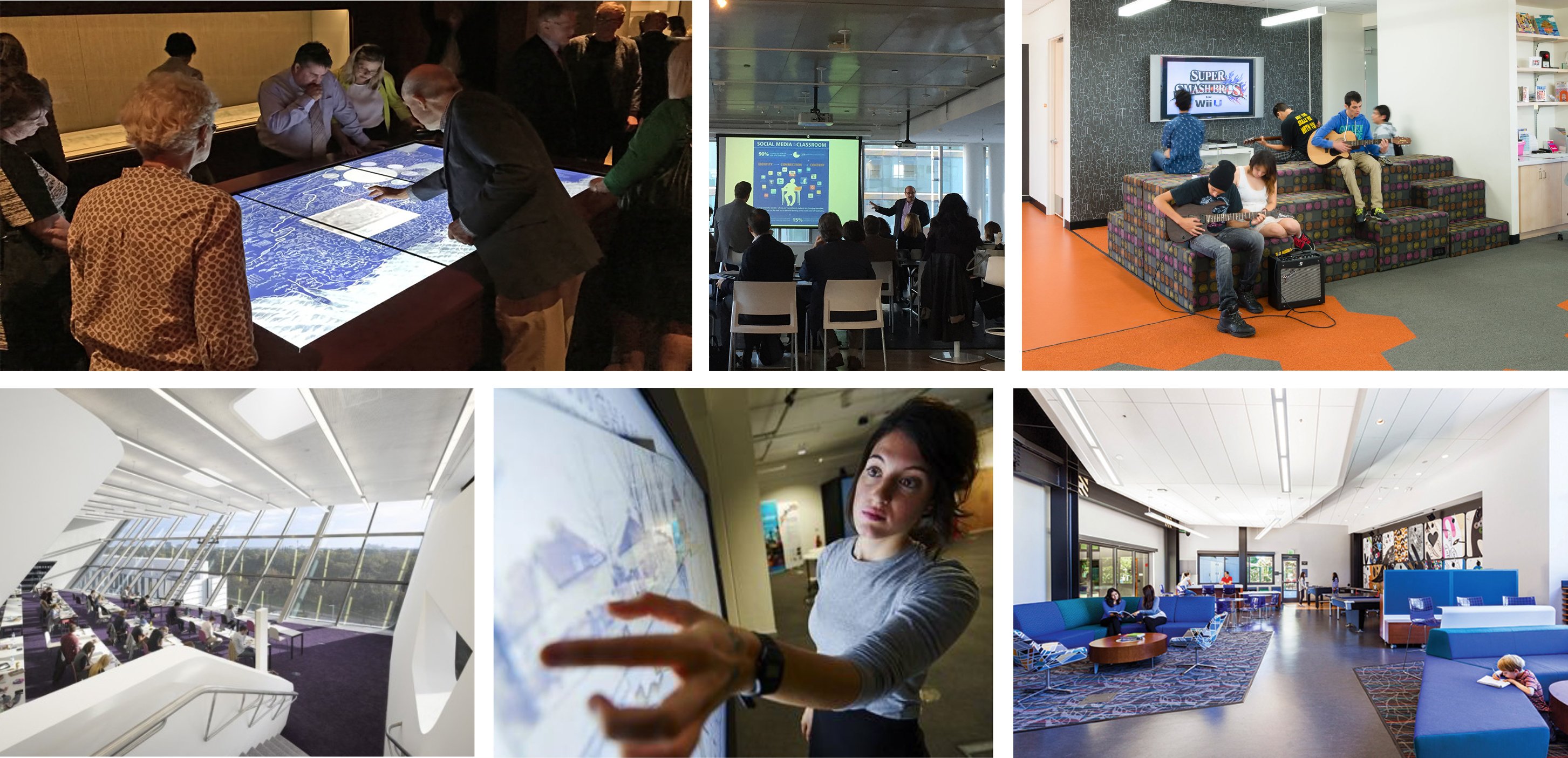
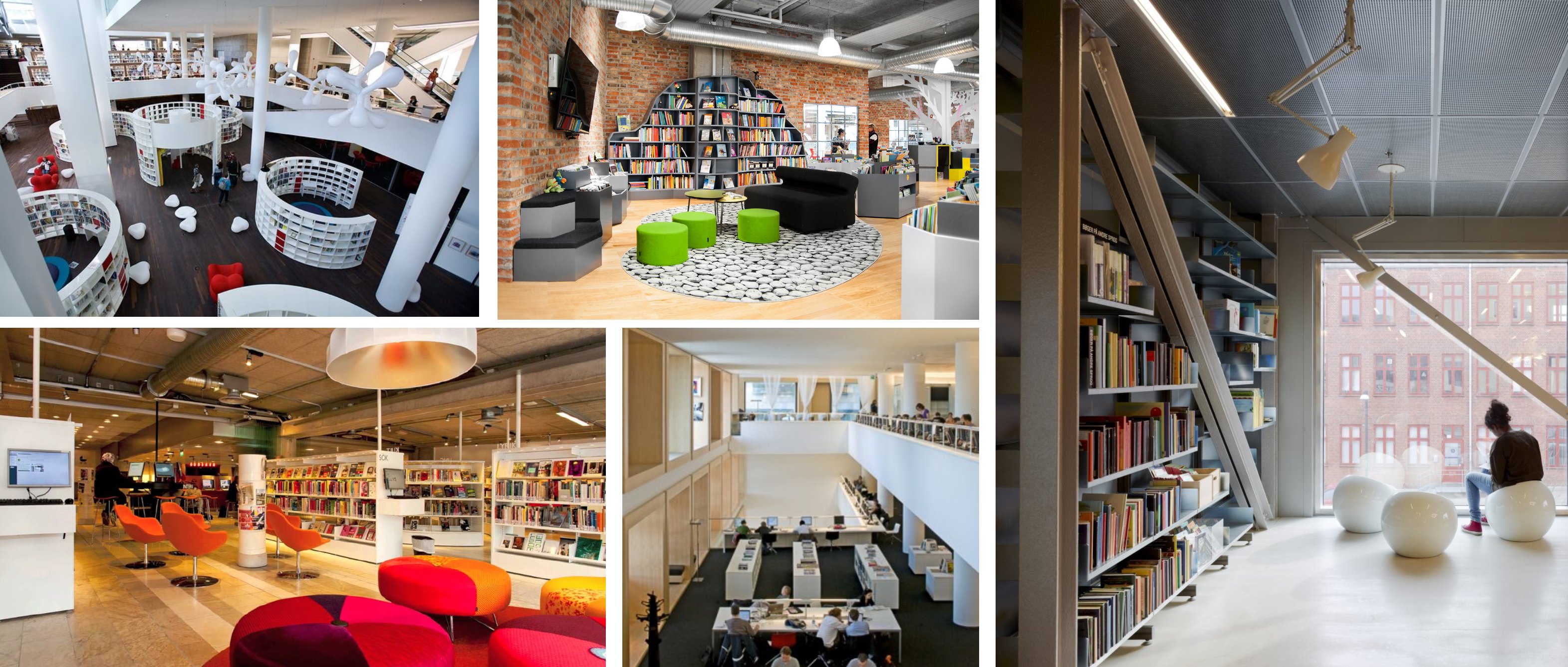
The Portfolio, Sector by Sector
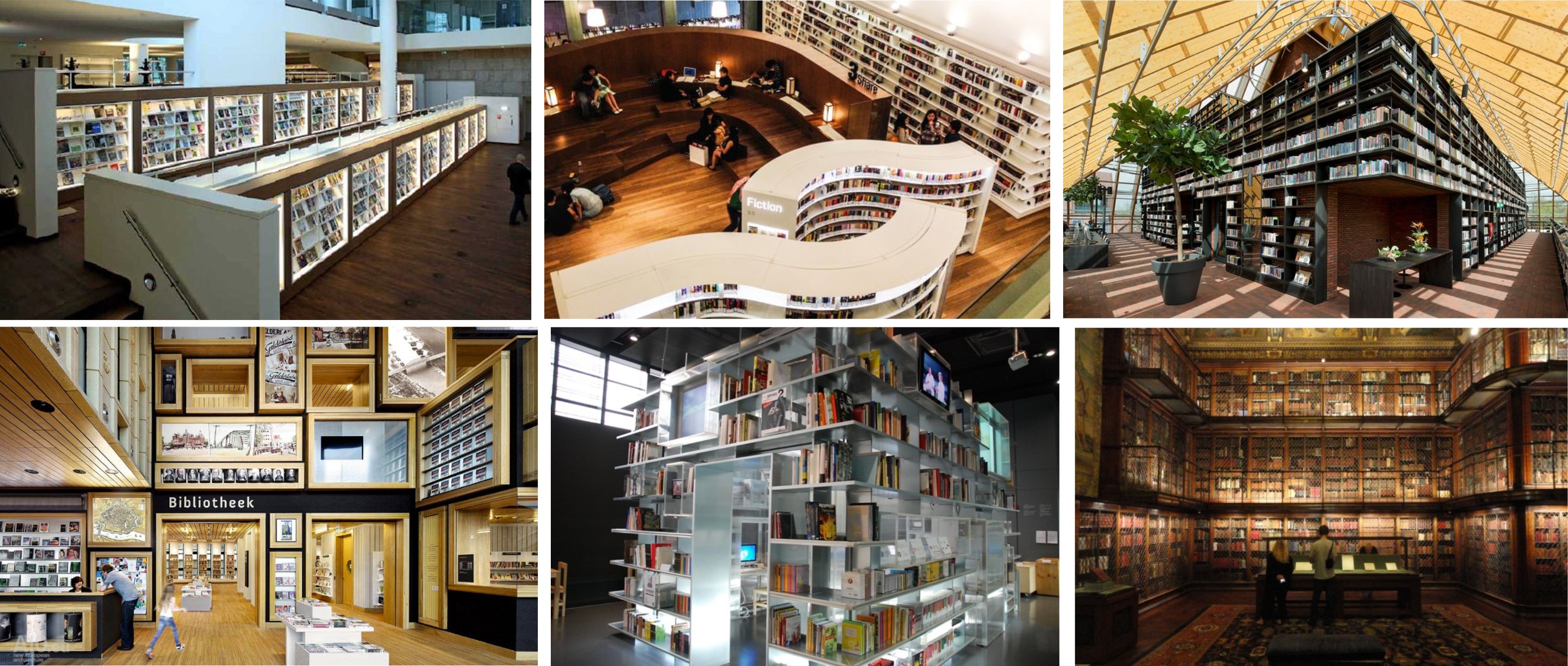
More Than 800 Projects. Every Sector.
Aaron Cohen Associates' consulting portfolio spans the full spectrum of library types. We offer a dynamic, forward-thinking approach to library consulting services, highlighting the transformation from traditional repositories to innovative learning ecosystems. Each sector link below connects to a detailed project list representing a sample of our work. Additional project documentation is available on request.
The firm's experience is not evenly distributed across a broad surface — it is deep in every vertical we serve. Academic library programming requires a fundamentally different analytical framework than law library security planning or medical library workflow design. We bring sector-specific methodology to every engagement, not a generalist template adapted after the fact.
Browse the portfolio by sector below, or contact us directly to discuss a specific project type, budget range, or institutional context.
Browse by Library Sector
Sector-Specific Project Lists
Every list below is a sample drawn from a larger project record. Institutions we have served range from single-branch public libraries in rural counties to multi-campus research university systems with collections exceeding five million volumes. The methodology scales; the commitment to defensible evidence does not change.
Academic library planning is the firm's longest continuous practice area. Projects range from branch library renovations to new construction programs for research universities with multi-million-volume collections. Our academic library design methodology and college library consulting practice are grounded in enrollment data, curriculum analysis, and behavioral research.
Public library planning requires community-centered assessment before any design decision is made. We have guided bond campaigns, needs assessments, and construction programs for municipal systems of every scale. Our public library design consulting methodology begins with patron behavior observation and ends with a capital brief the community can support.
Government library environments combine the access complexity of specialized research with the security and procurement constraints of public-sector institutions. Projects in this sector frequently involve archival planning, records management integration, and service-point reconfiguration within facilities that cannot suspend operations during renovation. See our archival facility planning practice for related methodology.
Health sciences library planning demands workflow zone analysis, digital integration planning, and regulatory compliance review in a single programming process. Our medical library facility planning methodology addresses the four-pillar mission of clinical, research, educational, and administrative support within a coherent spatial framework.
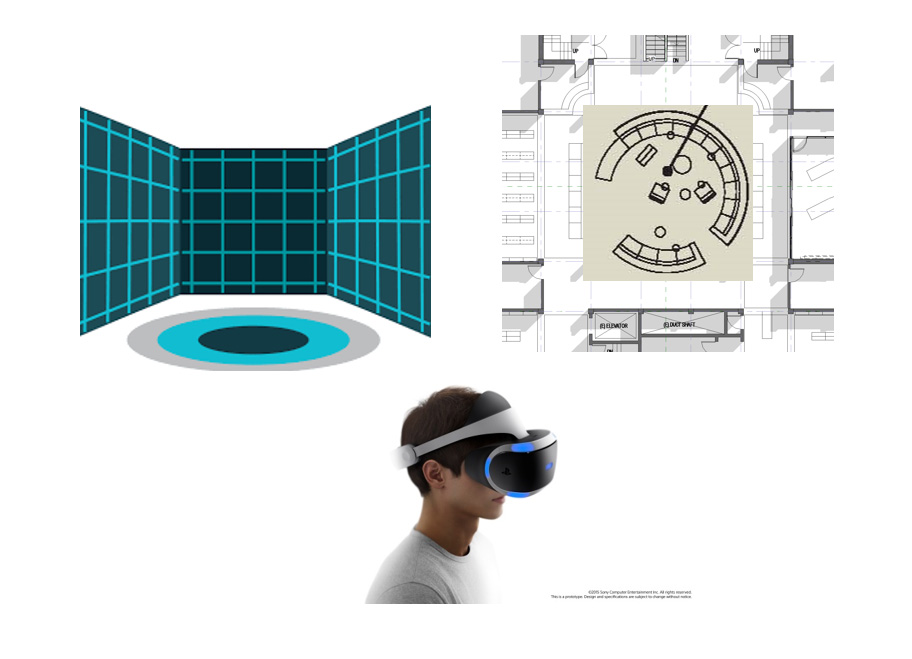
Additional Sectors
Law, School, Special & Corporate Libraries
Beyond the four primary sectors above, Aaron Cohen Associates has sustained deep practice in law library planning, private school library development, special collections and museum library design, and corporate research environment consulting. Each sector has distinct planning requirements that cannot be addressed by a generalist methodology. The project lists below represent a sample of this work.
Law library space planning addresses adjacency requirements, access-control architecture, and collection density challenges that distinguish legal research environments from every other library type. Secure reader registration, supervised access to restricted materials, and the operational continuity demands of court-adjacent facilities all shape the planning framework. See our law library consulting methodology for the full analytical approach.
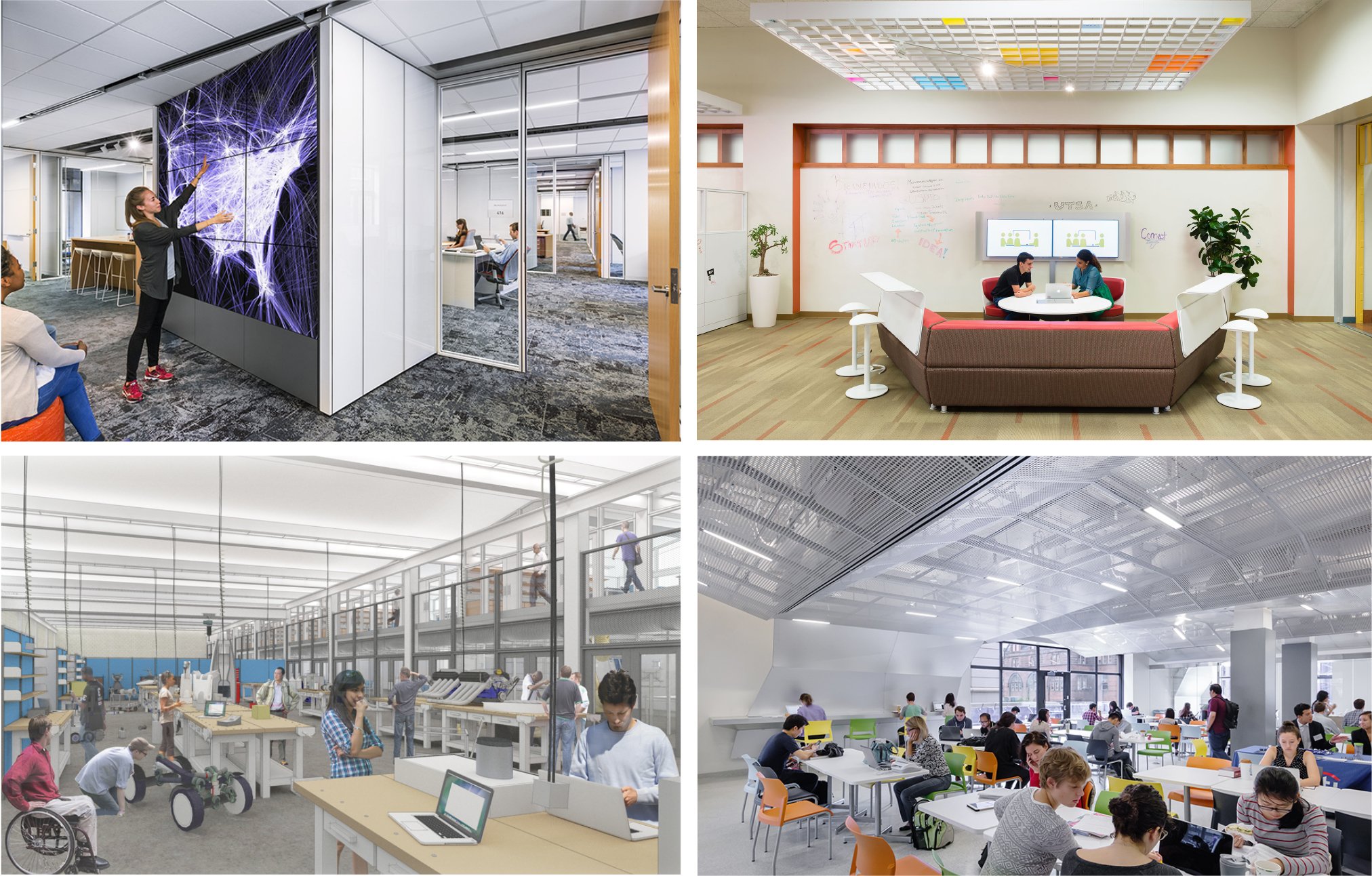
Private school library planning sits at the intersection of pedagogical strategy, collection development, and facility design. Projects in this sector frequently involve integrating maker spaces, digital media production areas, and collaborative learning zones into buildings originally designed for traditional stacks and reading rooms. The challenge is not technology adoption — it is spatial translation of a new educational philosophy into an existing envelope.
Special collections, museum libraries, and corporate research environments share a common planning challenge: balancing preservation-grade access control with active, high-velocity research use. Our work in museum and special collections planning and corporate library design addresses the security architecture, environmental standards, and service-point configuration that make both missions achievable.
The complete portfolio index organizes all project lists by sector and provides direct navigation to each category. It is the most efficient entry point for institutions researching our experience in a specific library type or geographic region. The index also links to our special, corporate, and research library project documentation.
What Makes This Portfolio Different
A Portfolio Is Evidence of a Method
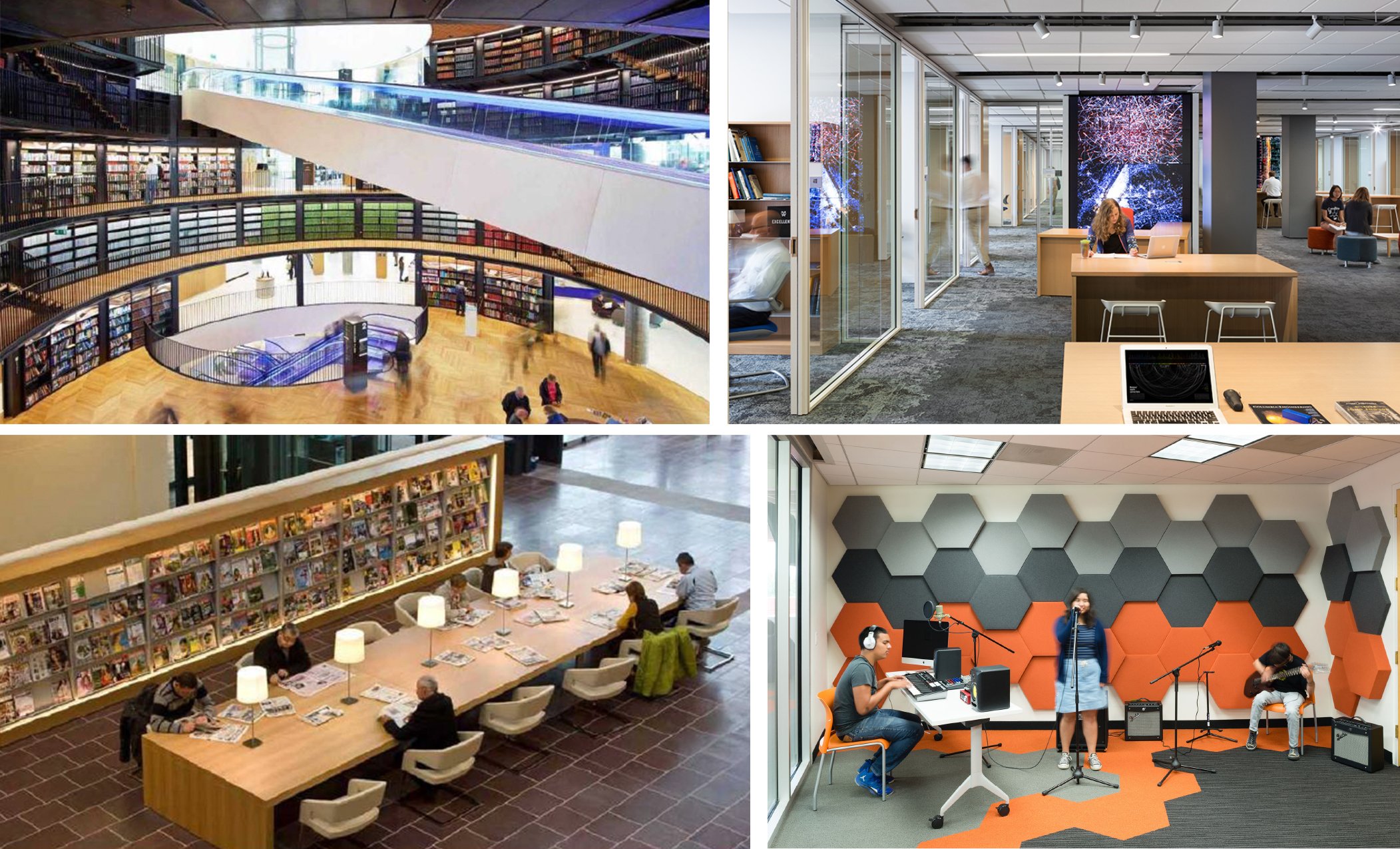
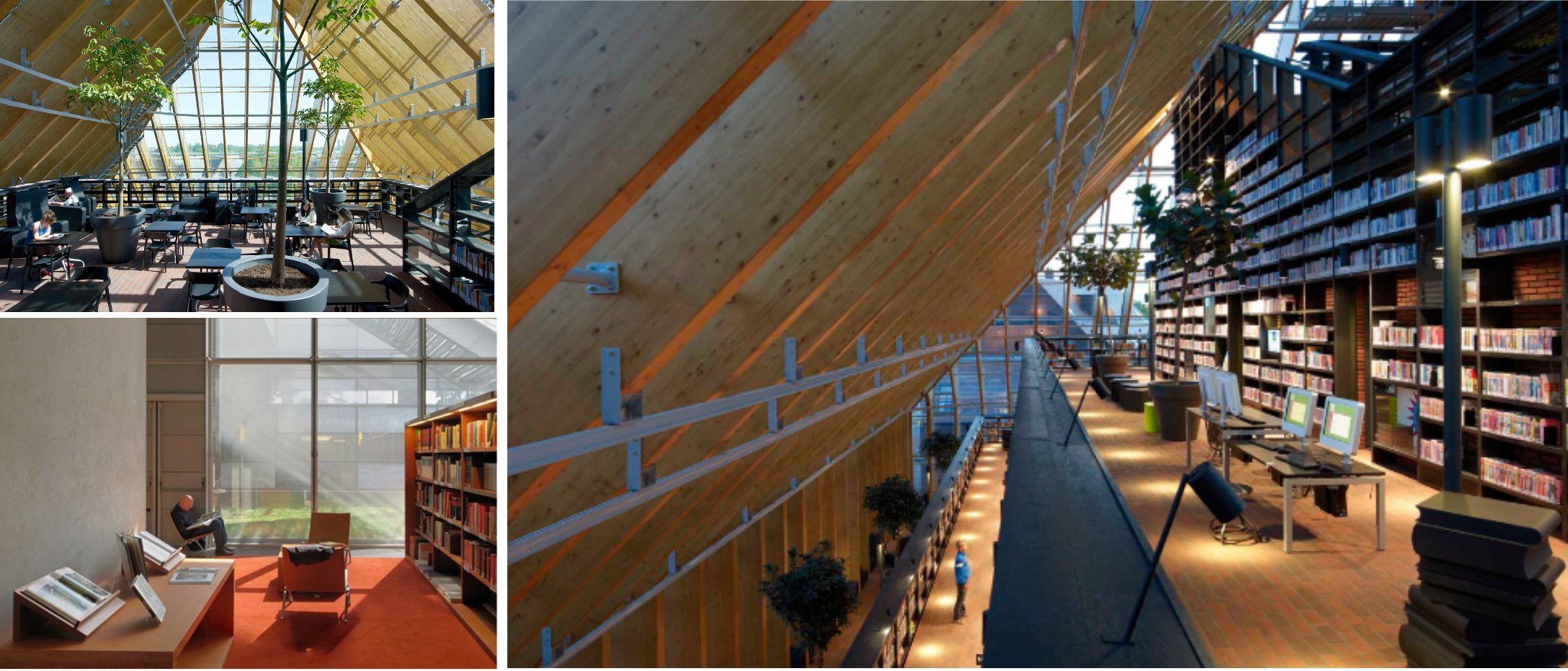
Most consulting portfolios are collections of photographs. This one is a record of decisions — space programming choices, service-point configurations, capital campaign frameworks, and digital integration strategies — that have held up over time in institutions that are still operating the environments we helped design.
The difference matters when you are selecting a consultant. A firm with a compelling photograph of a finished reading room has demonstrated that it can produce a beautiful space. A firm with a fifty-year project record across 800 engagements has demonstrated that its methodology produces spaces that serve communities for decades, absorb programmatic change without structural overhaul, and generate the institutional confidence that makes future capital investment possible.
Every page in this portfolio connects to a planning question that real institutions have faced. What does a library consultant actually do? How is facility performance assessed? How do you evaluate consulting firms before signing an engagement? These are not marketing questions. They are the questions that determine whether a capital project succeeds or fails.
The Library as an Intellectual Engine

From Traditional Repository to Innovative Learning Ecosystem
The firm's portfolio documents a fifty-year arc of institutional transformation. Libraries that engaged us in the 1970s to plan open-stack reading rooms engaged us again in the 1990s to program digital media centers, and again in the 2010s to integrate discovery environments and reduce footprints freed by off-site automated storage. The building changes. The planning relationship endures because the method delivers results the institution can measure.
Innovative library design is not about selecting the right furniture system or installing the fastest wireless network. It is about understanding how the twelve critical dimensions of modern library space interact with one another — and making programming decisions that keep those dimensions in productive tension rather than allowing any single priority to collapse the others.
Digital transformation, academic space optimization, collaborative learning environments, technology integration, and user experience engineering are not independent initiatives. They are simultaneous demands on a single building envelope, a single capital budget, and a single institutional community. Strategic library planning is the discipline that holds them together. This portfolio is the evidence that the discipline works.
If your institution is at the beginning of a planning process — or is trying to understand why a previous planning effort produced a building that no longer serves its community — the right starting point is a conversation. Contact Aaron Cohen Associates to discuss where your project stands and what a planning engagement would look like.
Library Environments We Plan

Strategic Context for Every Project
Next-Generation Library Strategy
Every project in this portfolio was shaped by the institutional context in which it was delivered. A community college library renovation is not a scaled-down version of a research university program — it requires a fundamentally different theory of space, service, and community. A hospital library that serves both clinical staff and biomedical researchers cannot be programmed using the same framework as a corporate information center, even when the square footages are comparable.
Our library strategic analytics consulting practice builds the evidence base that makes this contextual precision possible. Bibliometrics, circulation analysis, enrollment trend modeling, and patron behavior observation combine into a planning brief that is specific to your institution — not a template adapted from someone else's project.
The portfolio proves this claim. Browse the sector lists, examine the range of institutional types and scales represented, and then ask the question every director eventually asks: how do I know this methodology will work for my community? The answer is in the record. Five decades of engagements, more than 800 projects, every library sector — and a consulting relationship with many of those institutions that has persisted across multiple capital cycles.
Read more about the firm's history and strategic focus, explore our strategic planning for libraries practice, or review the working library of planning resources built from fifty years of active consulting. When you are ready to begin, contact us.
Begin the Conversation
Every planning engagement begins with a direct conversation about your institution's specific situation — the building, the community, the budget, and the timeline. There is no intake form that substitutes for that conversation. Contact Aaron Cohen Associates to schedule a preliminary discussion.
Contact Aaron Cohen Associates